Registrations for the 2026 IDA Conference are now open.

Register

Desert Internship Program

Applications are now closed for the 2026 Indigenous Desert Alliance (IDA) Desert Internship Program. 

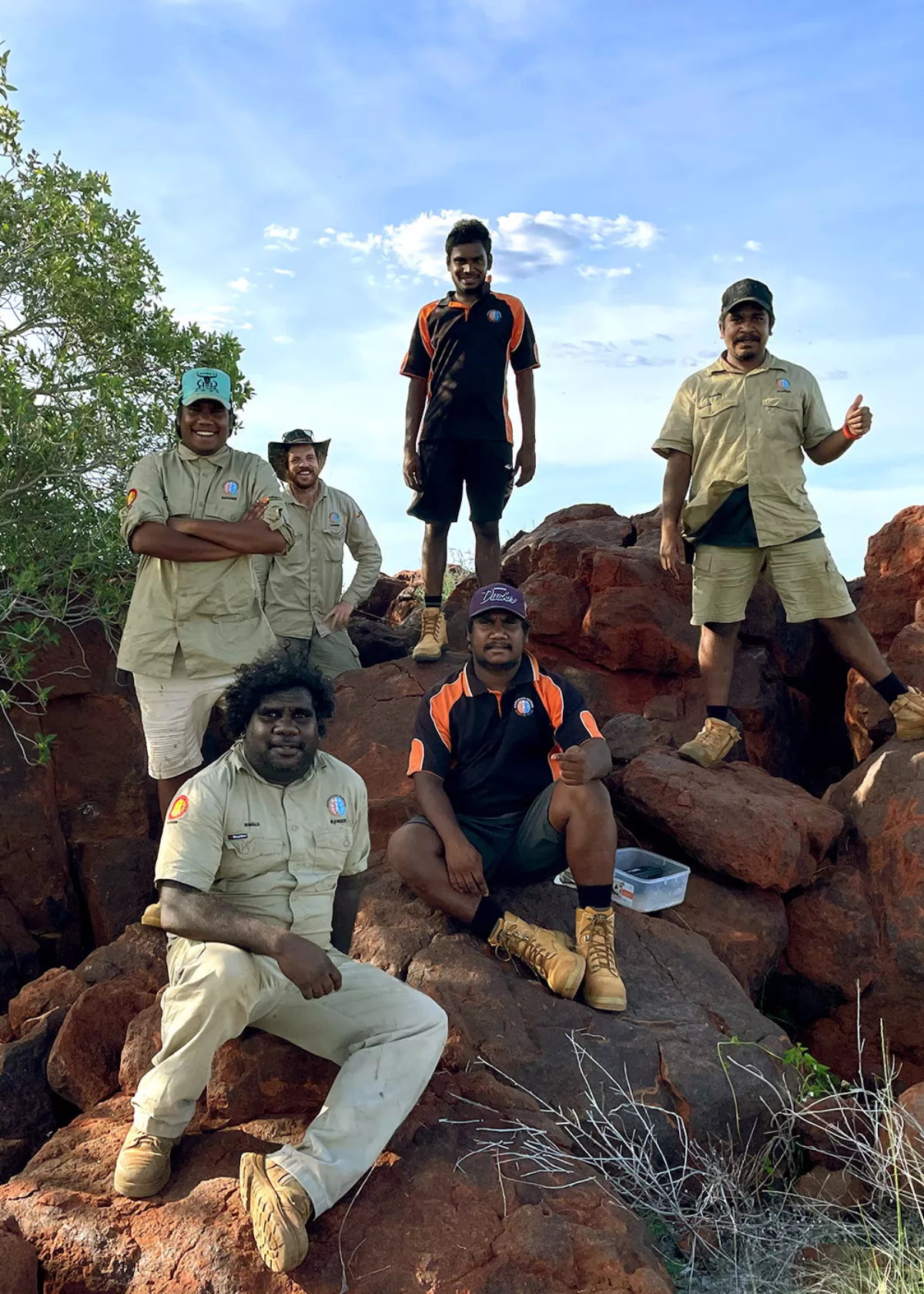
The Australian desert is one of the largest and most environmentally and culturally connected areas on the planet. It had been cared for and expertly managed over thousands of years by Indigenous minds, hearts and hands. Today a network of 66 ranger teams looks after country and manage the exceptional cultural and natural values of the desert. 

The Desert Internship Program provides an entry pathway into the sector that aims to attract a broad pool of talent and train interns with foundational skills to work in ranger coordinator, or similar positions. Now in its fourth year, the internship is an effective program in introducing, empowering and supporting people seeking careers in the Indigenous Land Management sector, leading directly to employment and career outcomes. 

The Desert Internship Program is an immersive four-week program that will provide real-world, practical experience with community-based Indigenous ranger programs. 

The internship is paid and is designed to help you transition into the sector and build a career working with rangers in the desert. The internship is a unique opportunity if you are considering a career change or wanting a more purposeful role connected to people and country. We encourage people with diverse skills and experience to apply.  

The internship is a proven pathway into a rewarding career in the Indigenous Land management sector. Many previous internship participants are employed in working within the sector.

"I have worked with Nyangumarta rangers for 4.5 years and still reckon it is the best job in the world! Building relationships with the rangers and the community are life enriching and a privilege. There are so many opportunities to explore country, learn about culture and language and these deepen with time. Supporting traditional owners to manage their country and assist in preservation of language and culture are highly rewarding. My advice would be to get to know the people and the country, to listen and to enjoy the journey!"

Jacob Loughridge, Nyangumarta IPA Coordinator
  • Leading from your heart

    Yarns from the 2025 Desert Internship

    "I think leading from your heart is really important in this space and having a lot of empathy and a lot of compassion."

    Clem Heath, 2025 Intern


    Read More

  • Learning the right way

    Reflections from the 2024 Desert Internship

    "If you think you know then that's as much as you'll know. In other words, having lots of knowledge and experience is good, but an open mind and heart is far more valuable. It's our capacity to continue to grow and learn that is most important."

    Kyle Hutchison, 2024 Intern


    Read More

  • Central Land Council

    Career opportunity

    Real world, hands-on experience

    The Internship will equip you with:

    • A transition pathway into the sector and exposure to a range of potential employers
    • Professional network and relationships. The Indigenous land management sector is diverse, encouraging and can take you many places
    • Skill and experiences that are transferable across a range of roles and sectors
    • The potential to apply for a job. At the conclusion of the internship – based on performance and suitability– the IDA will maintain regular contact and support you to apply for a job in the sector with one of our member organisations
  • Ngururrpa Rangers

    Growth sector

    Support a growing Indigenous land management sector

    Indigenous rangers are world leaders in conservation and the Indigenous land management sector is growing to meet the national and international biodiversity goals.

    As Indigenous ranger programs continue to grow across the desert, rangers and their organisations have identified the need for better recruitment and training of ranger coordinators to support ranger team development, leadership and operational capacity.

    The desert internship program responds to this need through:

    • Providing a dedicated entry pathway into the Indigenous land management sector
    • Attracting a broader pool of talent into the sector
    • Training interns with foundational skills to work in ranger coordinator positions

Program Information

Proposed Internship Dates

20 July 2026 until 14 August 2026. These dates are proposed and may be subject to change.

The internship is based out of IDA’s Perth/Alice Springs offices and will include a supportive and comprehensive induction process.  

Week 1: orientation and learning program with IDA staff at the IDA’s Desert hub (Perth) and introduction to the desert ranger sector and the IDA.

Week 2 and 3: immersion with a ranger team in a remote community supported by IDA staff (ln the NT and WA)

Week 4: debrief and short assessment tasks and supported networking opportunities with potential employers.  

The internship is paid and all travel and accommodation costs will be covered across the internship including return air fares from place of residence to take up the internship if required.

The internship is open to Indigenous and non-Indigenous applicants.  

Download the internship advert here.

For more information on the internship, please contact the IDA directly at hrstaff@indigenousdesertallaince.com  

Frequently Asked Questions

I’m considering a career change, do I have the skills, is it for me?

The internship is a unique opportunity if you are considering a career change or wanting a more purposeful role connected to people and country. The internship is a pathway into a rewarding career, and we encourage people with diverse skills and experience to apply.

The internship selects for attitude and trains for skills.

If you have the following attributes we would welcome an application:

  • You can listen, learn and take direction from Indigenous people
  • You value strong relationships and understand the importance of inter-cultural communication
  • You want to see teams and individuals thrive
  • You have a strong interest in Indigenous culture, environmental management and community development
  • You have a flexible mindset, can think on your feet and adapt
  • You would enjoy living and working in a remote community and carrying out remote fieldwork with a ranger team
  • You are healthy, enjoy outdoor work and remote camping

Why has this internship program been initiated?

The Indigenous land management sector needs good people to support rangers to continue to lead the way up.

As Indigenous ranger programs have grown across the desert, rangers and their organisations have identified the need for better recruitment and training of ranger coordinators to support ranger team development, leadership and operational capacity.

The Desert Internship Program responds to this challenge through providing a dedicated entry pathway into the sector that aims to attract a broader pool of talent into the sector and train interns with foundational skills to work in ranger coordinator positions.

This internship program is part of building the sustainability of the Indigenous Land Management Sector through providing a pathway into the sector.

What is the Indigenous Desert Alliance?

The Desert Internship Program is an initiative of the Indigenous Desert Alliance (IDA). The IDA is a member-based, Indigenous controlled organisation that plays a vital role in securing the future health of the Australian desert and its people. It does this by strengthening the existing connections between desert people, empowering Indigenous groups to look after their country and by promoting the importance of the Australian desert.

We work with 66 ranger teams from across the desert to support in our role ‘Keeping the Desert Connected’ to empower a united voice for the desert.

What is a ranger coordinator?

Ranger coordinator roles are dynamic, demanding and highly rewarding.

Ranger coordinators organise remote field trips, manage safety and logistics in the field and support rangers to do their work on country. They support team development, on-the-job training and the delivery of work schedules and management plans, as well as facilitating connection between the ranger team and overseeing organisation and with its partners, funders and stakeholders.

Ranger coordinators work in a dynamic inter-cultural space and need to have great interpersonal skills. 
 

What does ranger work look like?

The type of work rangers do includes:

  • Keeping culture strong and passing down knowledge to the next generation
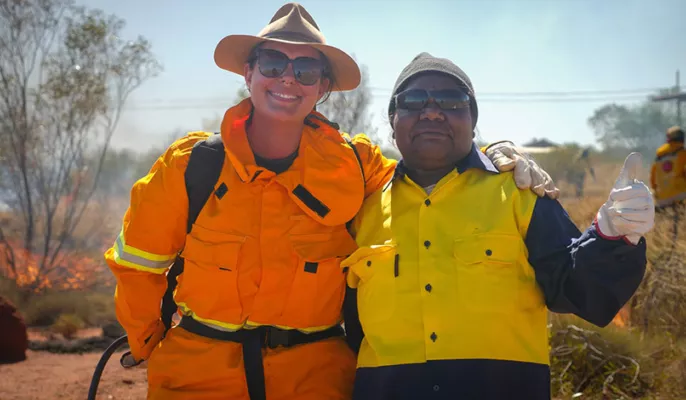
  • Fire management
  • Cultural site and heritage management
  • Threatened species monitoring, management and recovery projects
  • Feral animal and weed management
  • Two-way science and collaborations with scientists and stakeholder groups
  • Fee for service economic activities (e.g. environmental management, tourism)
  • Sharing knowledge with others, working with schools and the local community

Here are some good films about rangers doing their work:

Nyangumarta Rangers looking after Black-footed Rock-wallaby

Cool Fire and Bright Skies at Muruntji

Ngurra Yulpararra – Rangers using drone mapping to look after country

Expert Trackers Lead Workshop on Saving Culturally Significant Great Desert Skink

Why is the Australian desert a significant landscape?

The Australian desert remains one of the most culturally connected and environmentally significant areas on the planet. It has been cared for and expertly managed over thousands of years by Indigenous minds, hearts and hands.

Today, a network of over 66 ranger teams look after desert country and manage its exceptional cultural and natural values.

The Australian desert has:

  • More than 30 languages spoken
  • The world’s largest Indigenous-led fire management project
  • Iconic threatened species including the Bilby, Great Desert Skink, Night Parrot, Malleefowl and Black-Footed Rock-Wallaby

What is the Indigenous Land Management (ILM) sector?

The Indigenous Land Management (ILM) sector includes Traditional Owners, Indigenous Rangers and their land management organisations who undertake a wide range of cultural, environmental and natural resource management activities. In Australia’s desert regions, which includes 28 Indigenous Protected Areas, these activities may include:

  • cultural and ecological knowledge transfer initiatives
  • fire management
  • cultural site and heritage management
  • feral animal and weed control
  • threatened species monitoring and recovery projects
  • fee for service economic activities (e.g. bush harvest, pastoral)

Warning: Aboriginal and/or Torres Strait Islander peoples should be aware that this website may contain images, voices and names of people who have passed away which may cause sadness or distress.