Registrations for the 2026 IDA Conference are now open.

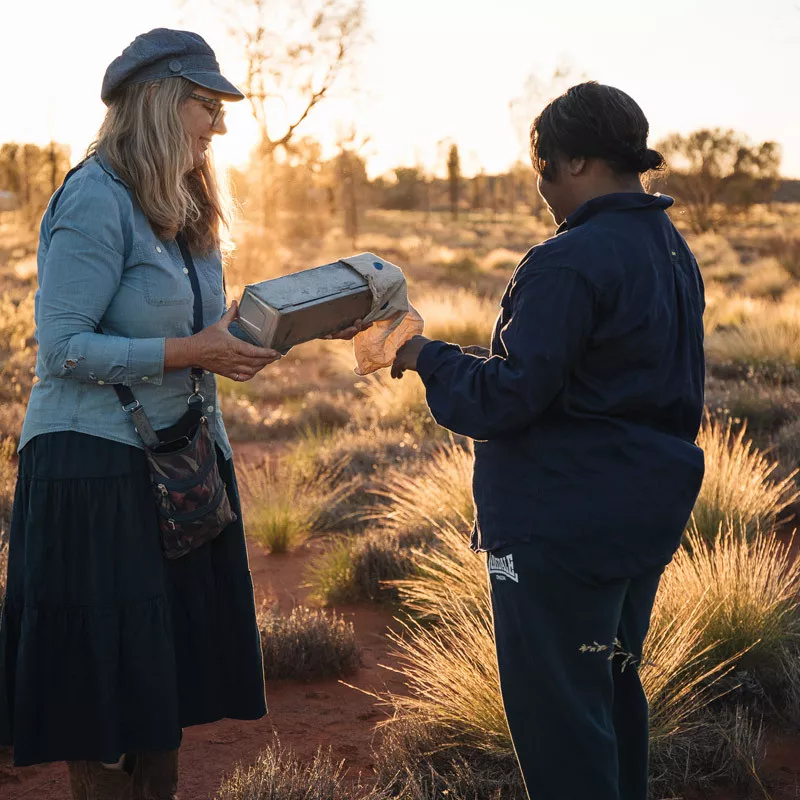
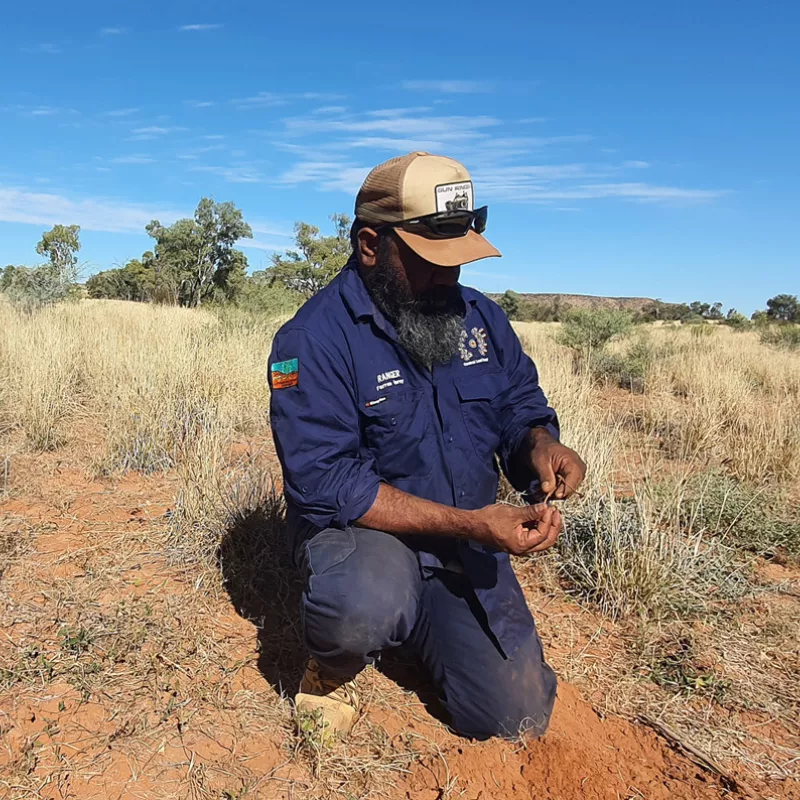
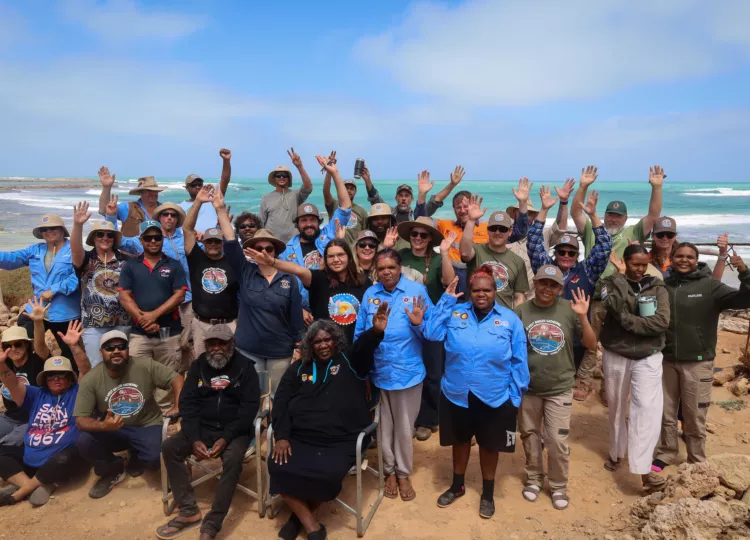
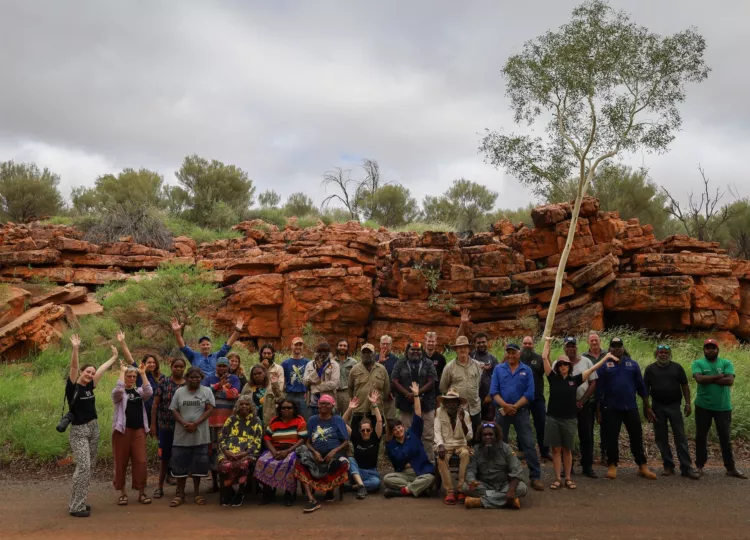
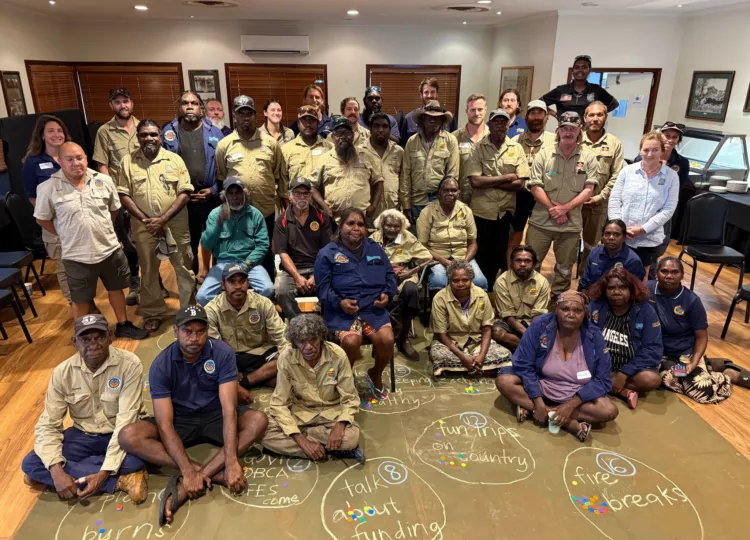
The sector is one of the main drivers of employment for Indigenous people in desert communities, employing hundreds of rangers and support staff.
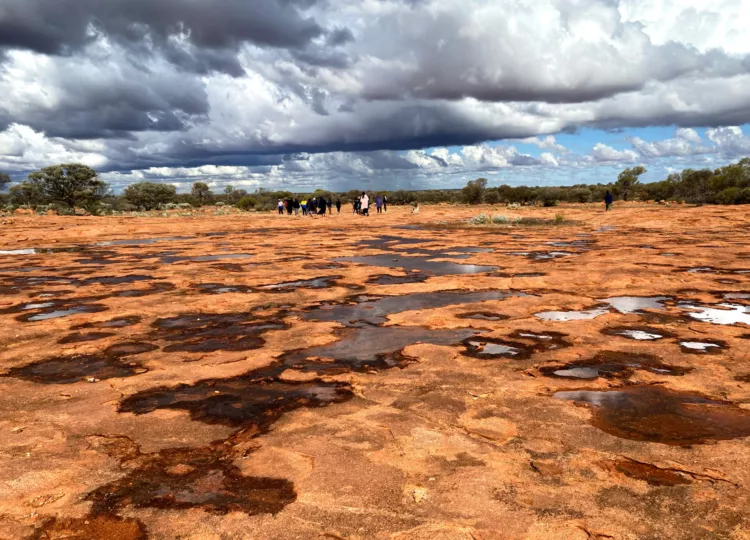
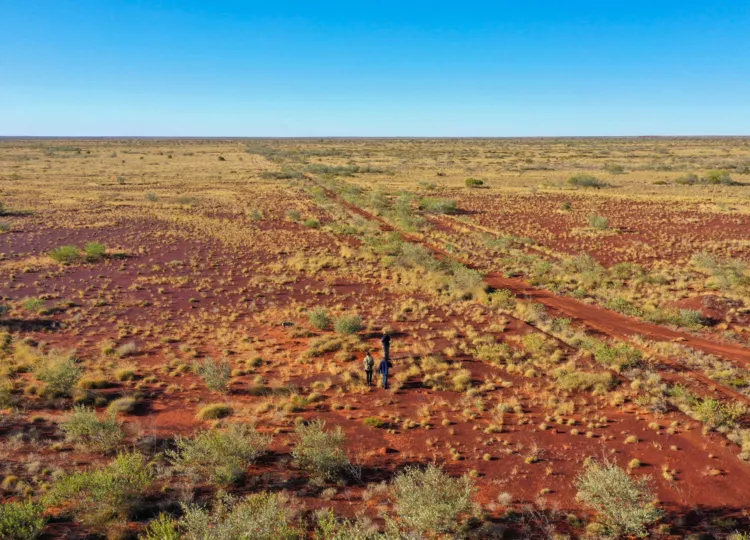
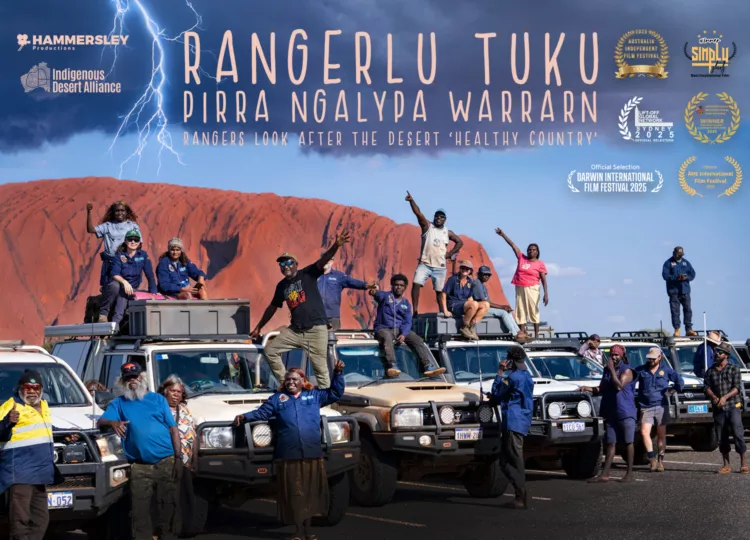
Significant growth is anticipated over the next five years to add to the 66 desert ranger teams who work across the desert, including 28 Indigenous Protected Areas.

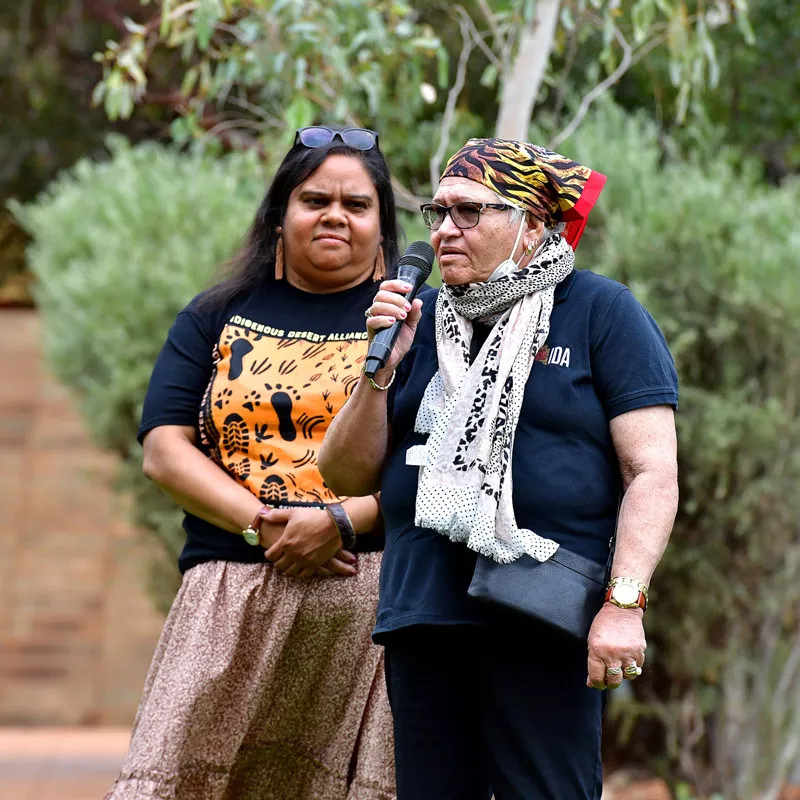
The IDA works closely with our members and partners to proactively address sector development gaps as the sector continues to grow, and ensure the training, skills, people and resources, match the needs of the sector.
The Indigenous Land Management (ILM) sector includes Traditional Owners, Indigenous Rangers and their land management organisations who undertake a wide range of cultural, environmental and natural resource management activities. In Australia’s desert regions, which includes 28 Indigenous Protected Areas, these activities may include:
Indigenous Protected Areas (IPA’s) are areas where First Nation land holders have entered into voluntary conservation agreements with the Australian Government, which are managed to standards as set out by the International Union for Conservation of Nature (ICUN). These IPA’s form part of the National Reserve System (NRS) which support Australia to achieve international conservation targets, such as protecting and conserving 30% of Australia’s land and oceans by 2030. There are 28 dedicated IPA’s in the desert region of Australia. Desert IPAs account for 45% of the NRS.
The IDA employs Regional Support Officers and Indigenous Community Liaison Officers to support ranger programs with their specific individual needs such as field work, project development, project management, consultation, and ranger team coordination.
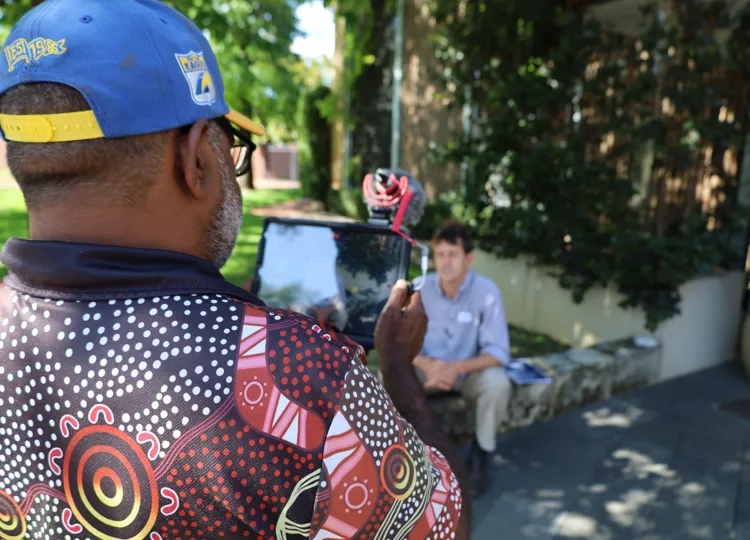
The internship program equips emerging land management support staff with the foundational skills to work the right way in the sector. This internship program is part of building the sustainability of the sector.
“I’ve learnt, just like public speaking in general, not to be afraid, just you know talk with knowledge and with, always with smiles on your face.”
 Read
Story
Read
Story
 Read
Story
Read
Story
 Read
Story
Read
Story
 Read
Story
Read
Story
 Read
Story
Read
Story
 Read
Story
Read
Story
 Read
Story
Read
Story
 Read
Story
Read
Story
 Read
Story
Read
Story
 Read
Story
Read
Story
 Read
Story
Read
Story
 Read
Story
Read
Story
 Read
Story
Read
Story
 Read
Story
Read
Story
 Read
Story
Read
Story
 Read
Story
Read
Story
 Read
Story
Read
Story
 Read
Story
Read
Story
 Read
Story
Read
Story
 Read
Story
Read
Story

Warning: Aboriginal and/or Torres Strait Islander peoples should be aware that this website may contain images, voices and names of people who have passed away which may cause sadness or distress.