Cats on Country: protecting bilby on Kiwirrkurra Country
3 minute read

Registrations for the 2026 IDA Conference are now open.
3 minute read
The Ninu (bilby) is a culturally significant animal to the Kiwirrkurra Rangers and many desert mobs and plays an important part in maintaining the ecosystem of the desert. The Ninu has distinctive long pink-ish ears and a long snout, living in burrows up to three metres long and two metres deep.
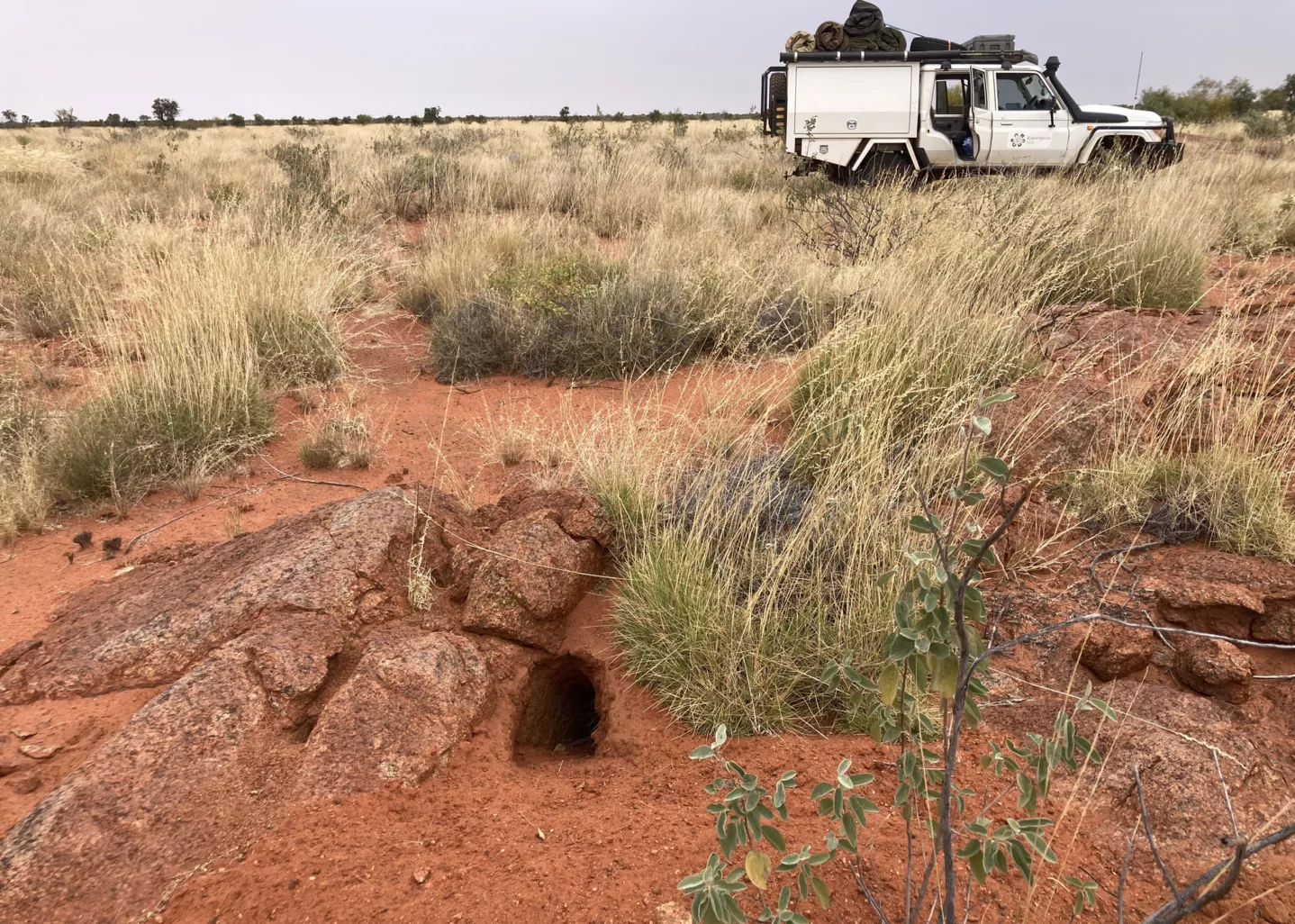
Feral cat predation is a major threat to already vulnerable Ninu populations on Kiwirrkurra IPA, along with threats from other feral predators and the impacts of large and severe wildfire. Indigenous tracking experts have been successfully hunting feral cats for a long time, but expert trackers are getting older and less mobile, and with the vastness of the desert, regular hunting can only be carried out close to Kiwirrkurra Community. With this challenge in mind, the Kiwirrkurra Rangers have been trialling baiting over the course of 2023 as another way to look after Ninu.
We hunt cats to protect Ninu and Tjalapa (Great Desert Skink) and because pussycat is good meat.
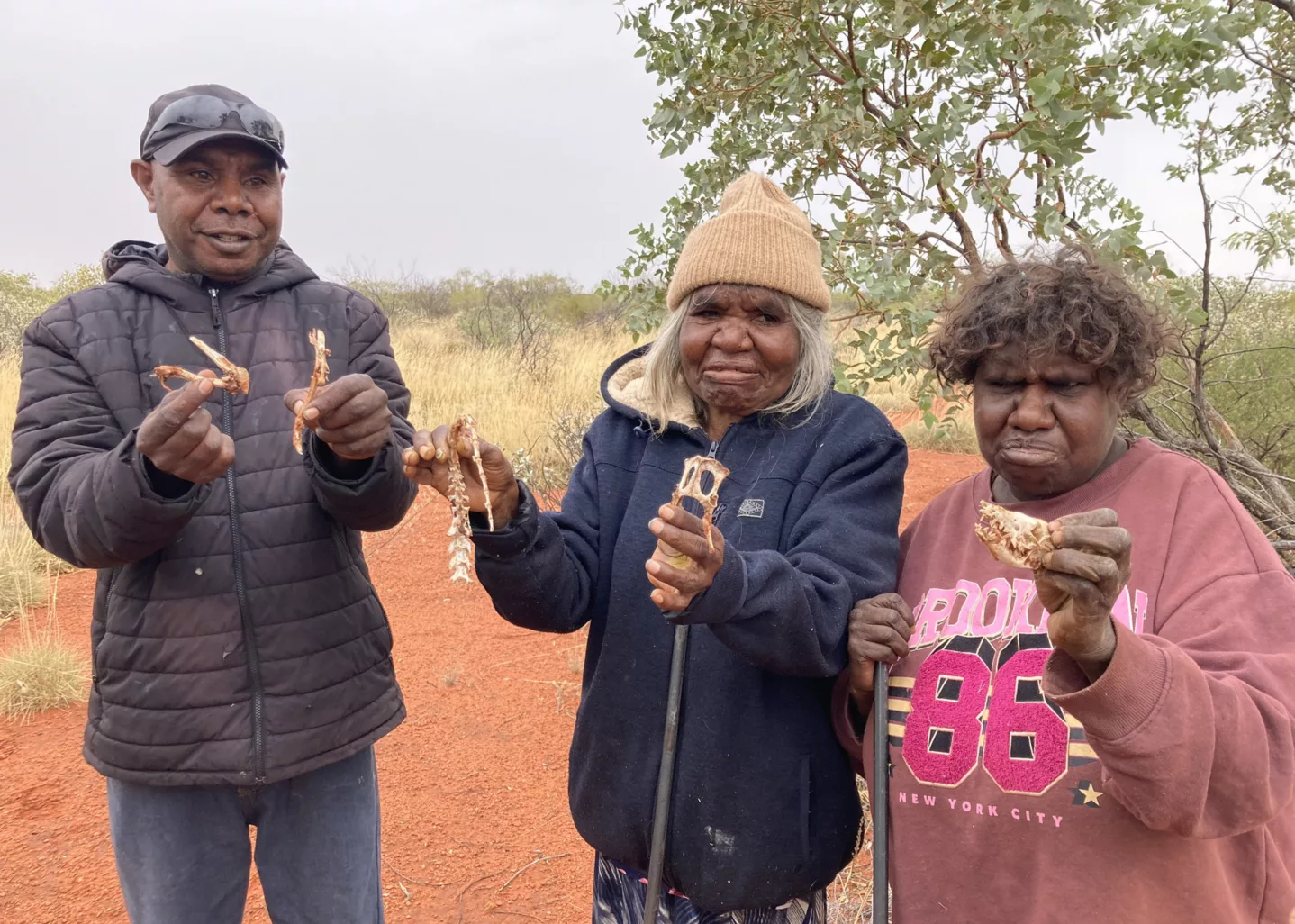
Dead Ninu. Pass away woman one. Pussycat been eat that Ninu on the Ngami Road. We been find kata (head), leg, tail, hip bones. Might be girl one. Boy still walking around. Pussycat kuna, and picture on the camera. No wataki (fox), no dingo nothing.
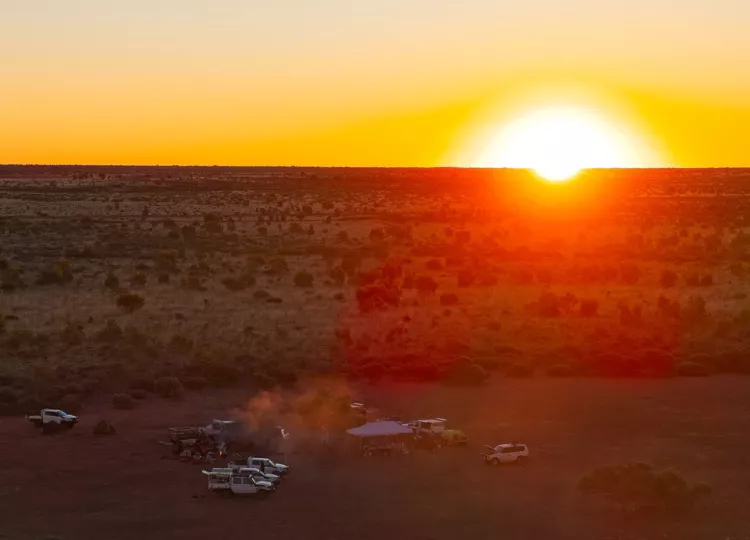
Because people are still eating cats close to Kiwirrkurra Community, the rangers decided no baits would be laid in these areas, instead focusing on an area three hours' drive to the north-east near the edge of Lake Mackay. They were clear baits should only be used in the cold weather while goannas are asleep, and to maximise bait uptake by foxes they wanted to lay baits along the sandhills where they like to walk. In June, 100 non-toxic baits were laid in a small trial so the rangers could see who was taking the baits and to make sure they would be safe for Ninu and other non-target animals. The trial also helped the rangers to figure out the best places to lay the baits to target the right animals.

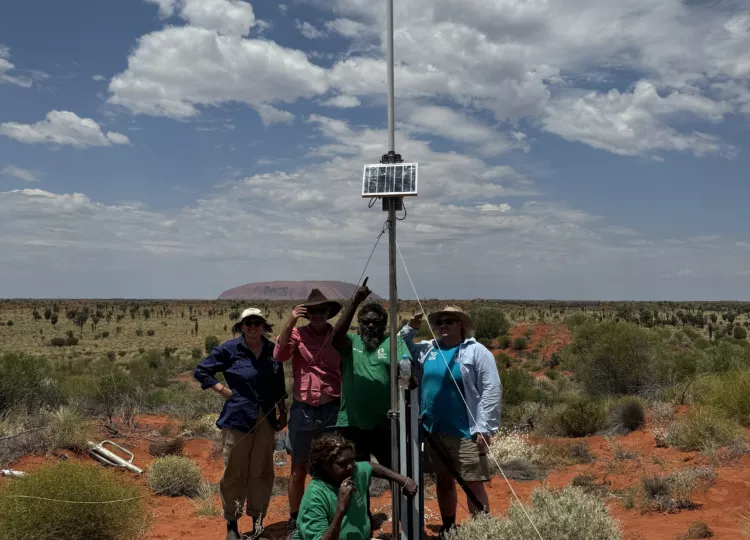
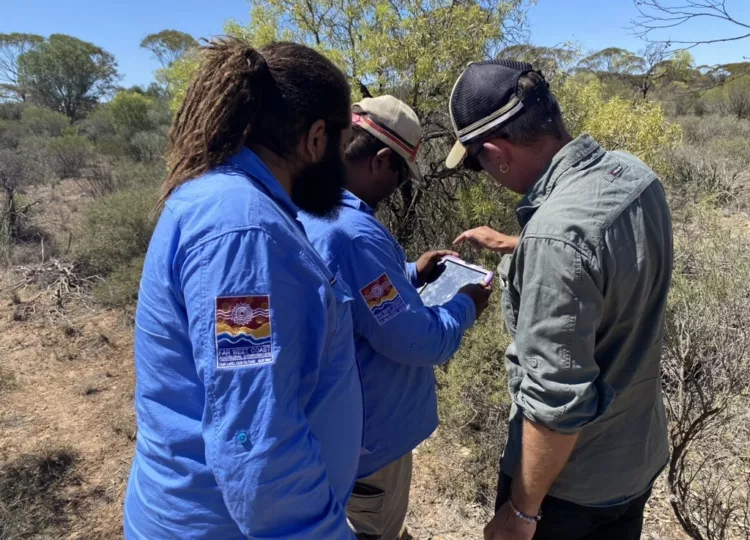
After working through the findings of the first trial, the Kiwirrkurra Ranger team applied for permits, completed 1080 training, and designed their own locally appropriate signs to let everyone know about the toxic baiting program. Before baiting, rangers also placed twenty cameras at Ninu burrows, along vehicle tracks, and on sandhills both in the baiting zone as well as at an unbaited control site. In August the rangers deployed 1000 toxic baits and the cameras continued to collect data after the baits were laid, so that the impact of the baiting program on predator activity can be assessed.
Looking round for Ninu and putting bait around the Ninu area, poison sausage, to try protect the Ninu from the fox and from pussycat too.
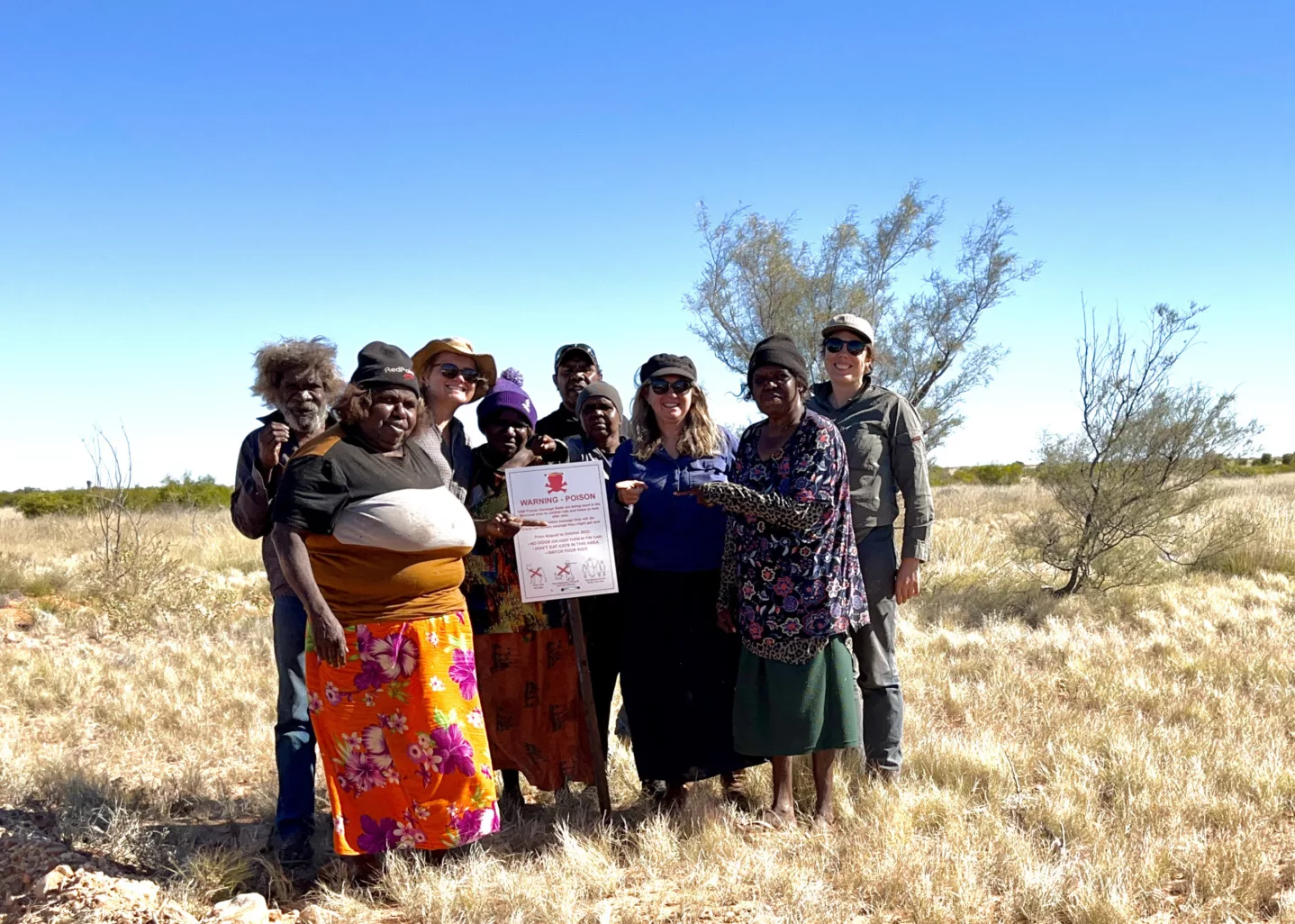
It's too soon to determine the success of the baiting trial, but the Kiwirrkurra Rangers will continue annual Ninu scat surveys in partnership with the Department of Biodiversity, Conservation and Attractions (DBCA) to enable them to measure the impact of the baiting for the Ninu population. The rangers are currently planning aerial baiting in 2024 and 2025 with the aim to manage a bigger area of Ninu habitat.
This project is supported by the Resilient Landscapes Hub of the National Environmental Science Program.
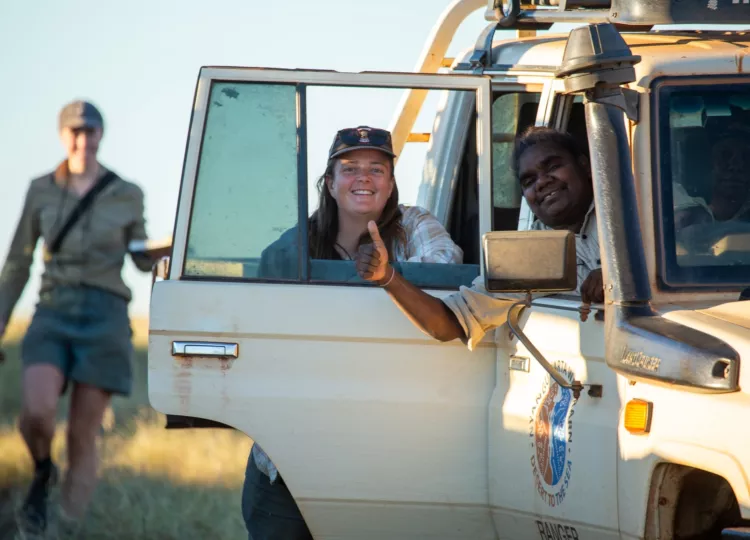
Tjamu Tjamu Aboriginal Corporation manages the Kiwirrkurra Indigenous Protected Area over the entirety of their native title determination. The Kiwirrkurra Rangers men's and women's team have a strong focus on using traditional knowledge on country and working with Western scientists to bring both practices together.
Website Read
Story
Read
Story
 Read
Story
Read
Story
 Read
Story
Read
Story
 Read
Story
Read
Story
 Read
Story
Read
Story
 Read
Story
Read
Story
 Read
Story
Read
Story
 Read
Story
Read
Story
 Read
Story
Read
Story
 Read
Story
Read
Story
 Read
Story
Read
Story
 Read
Story
Read
Story
 Read
Story
Read
Story
 Read
Story
Read
Story
 Read
Story
Read
Story
 Read
Story
Read
Story
 Read
Story
Read
Story
 Read
Story
Read
Story
 Read
Story
Read
Story
 Read
Story
Read
Story

Warning: Aboriginal and/or Torres Strait Islander peoples should be aware that this website may contain images, voices and names of people who have passed away which may cause sadness or distress.