Mulyamiji March with the Walungurru Rangers
3 minute read

Registrations for the 2026 IDA Conference are now open.
3 minute read
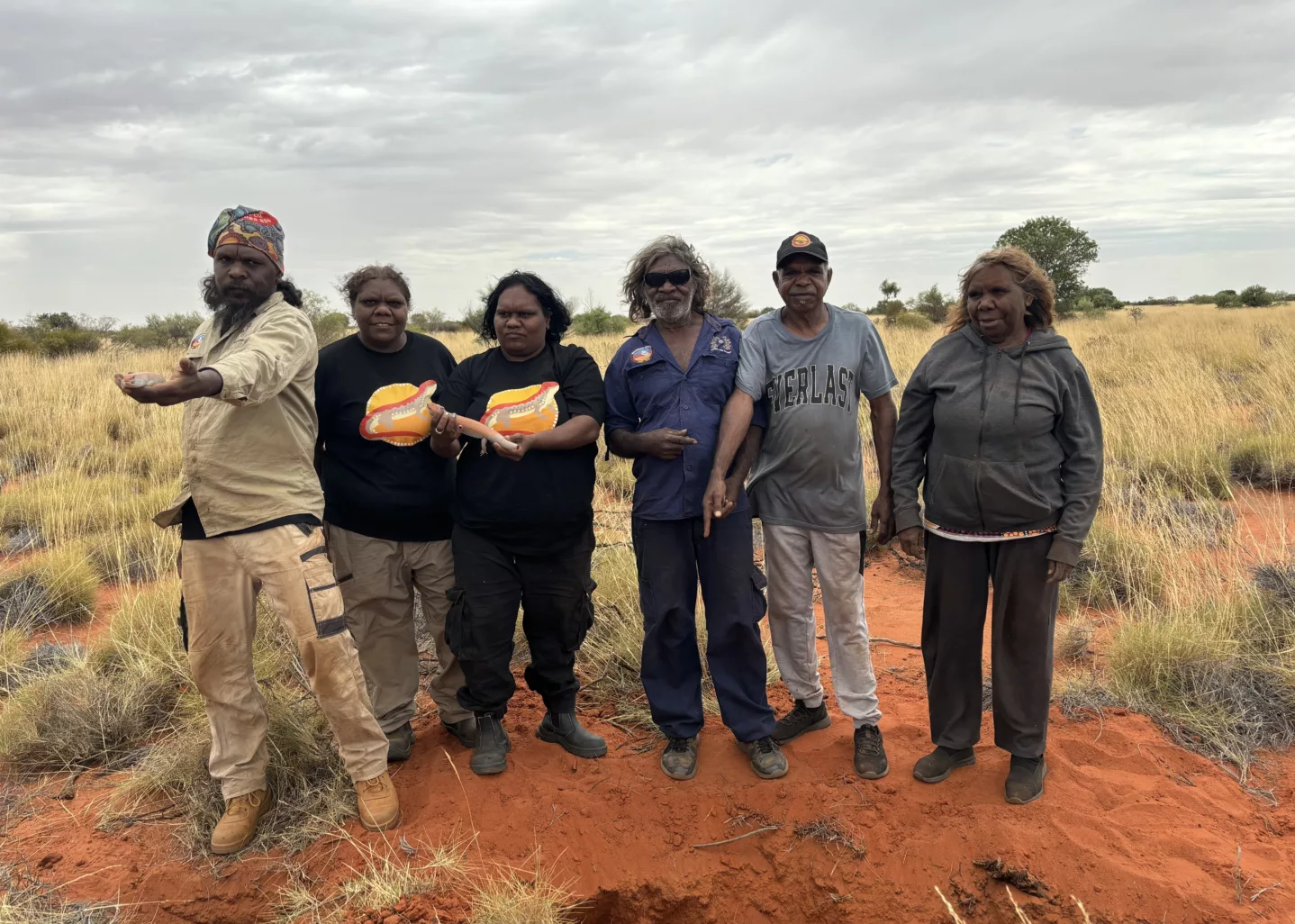
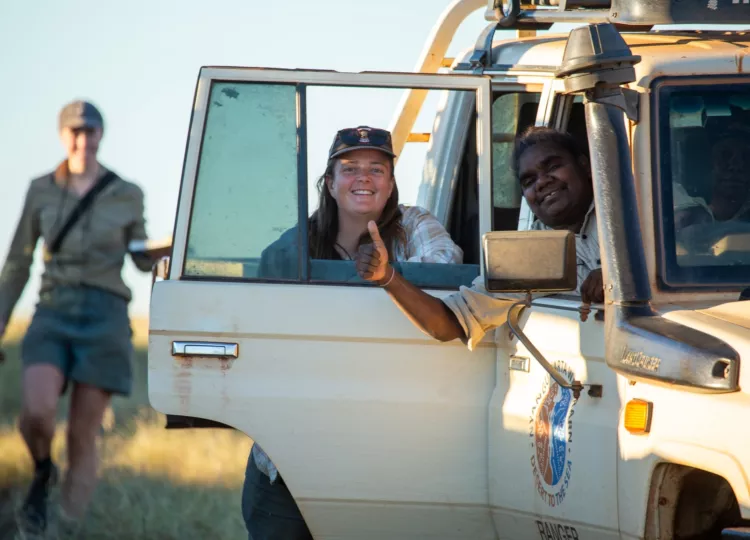
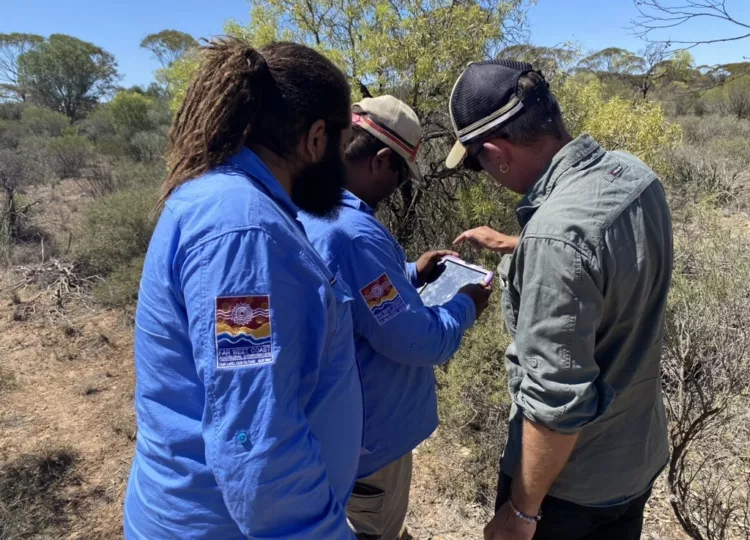
The Kintore Walungurru rangers surveyed for Tjalapa this field season as part of the largest collaborative threatened species monitoring event in the Australian desert, focused on the iconic and culturally significant Great Desert Skink – Mulyamiji March.
The Great Desert Skink, also known as Mulyamiji, Tjakura, Tjalapa, Warrana and Nampu is a species that occurs almost exclusively on Aboriginal land and has strong Tjukurrpa (Dreaming songs, sites, stories) across the desert. During Mulyamiji March, Traditional Owners and Indigenous rangers use their expert tracking skills to monitor Tjalapa populations by walking across survey plots and looking for tracks, burrows and kuna (scat). Once a burrow is found, rangers use their tracking skills to determine if it is active with Tjalapa living inside, and if so, how many, and whether they are adults or young ones.
"There's kuna from today. They was playing around and they gone inside the burrow."
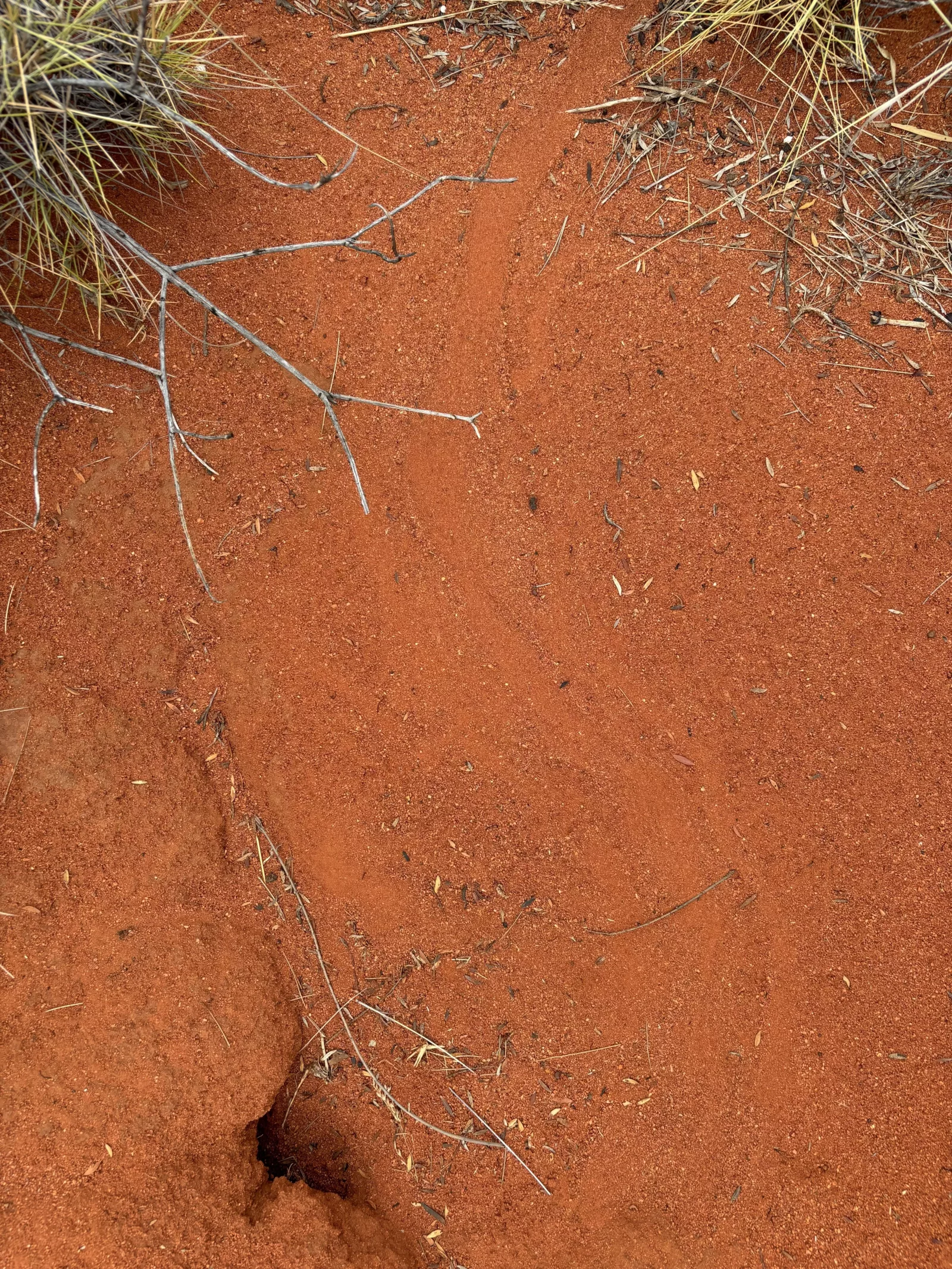
While surveying, rangers are also on the look out for signs of feral cats and foxes and record information about this too. The Tjalapa is under threat due to the combined effects of wildfires and predation by feral cats, but continues to thrive where Indigenous rangers carry out traditional burning and feral animal management. Over the course of a few days, the Walungurru Rangers surveyed five Tjalapa sites on country, building on their monitoring efforts from 2023 and 2024. Surveying is hot work – rangers have to complete their surveys while the weather is still warm, because Tjalapa go to sleep during cool time. Luckily for Walungurru mob, the week started out cool and overcast, making their first survey much easier.
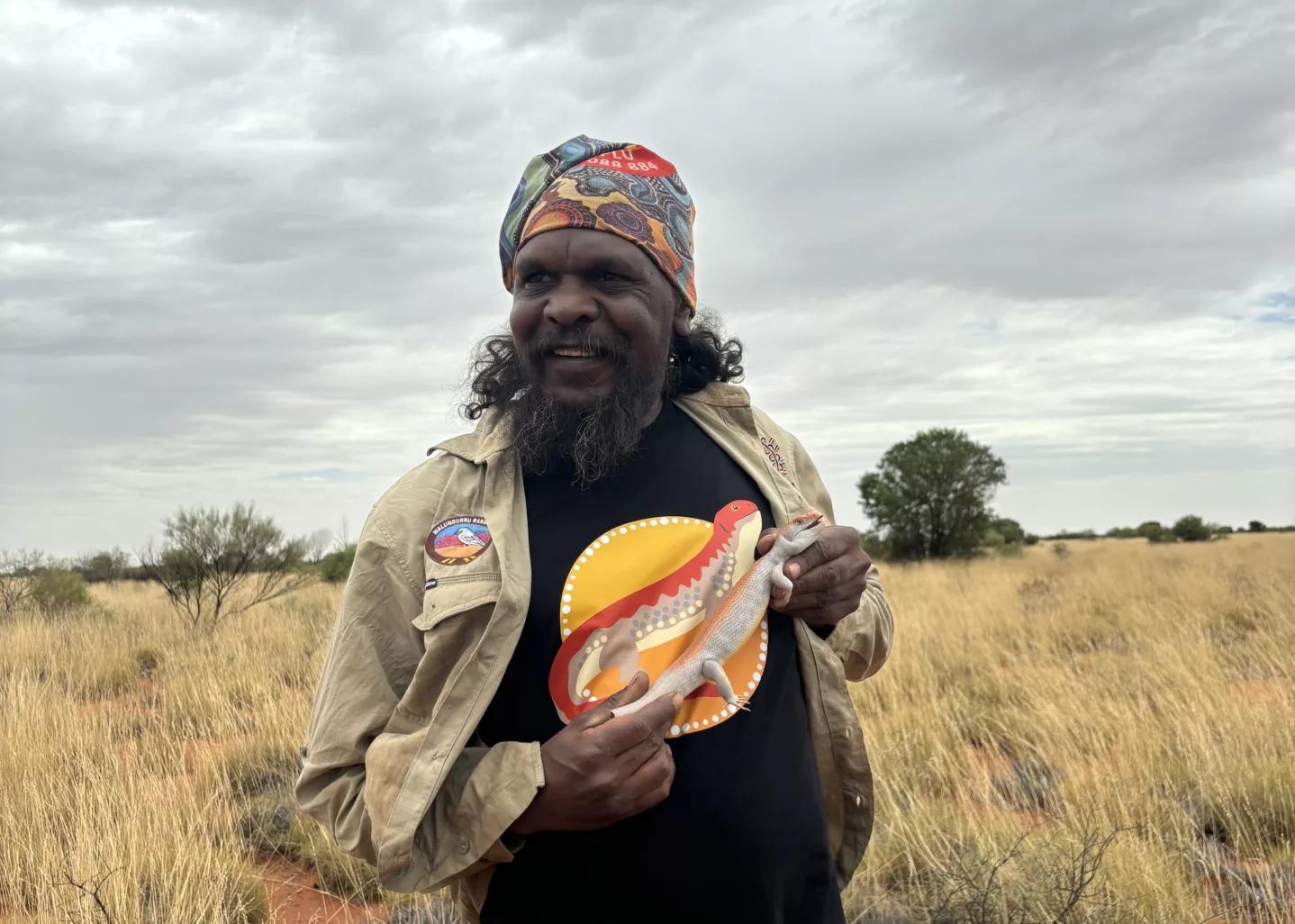
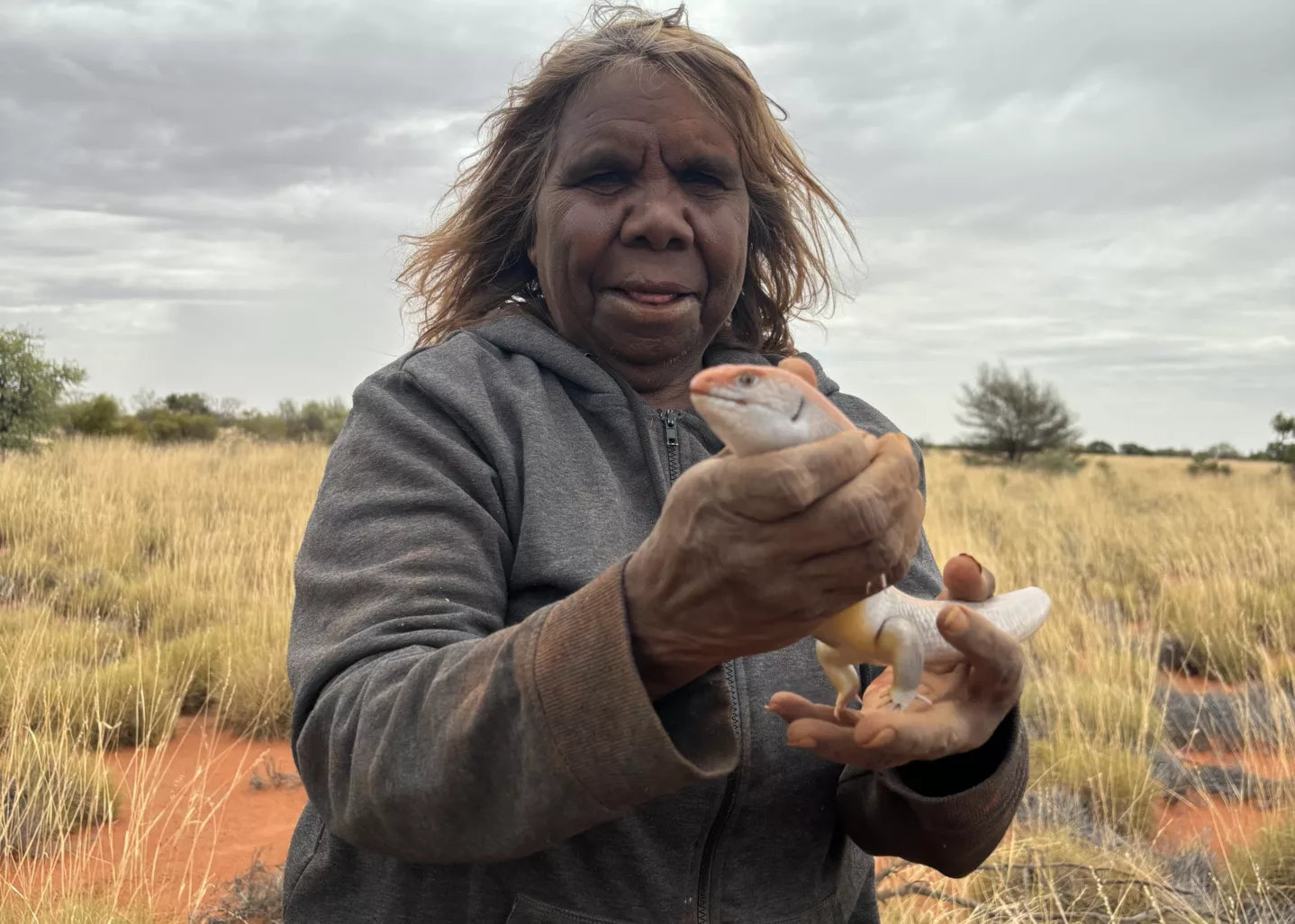
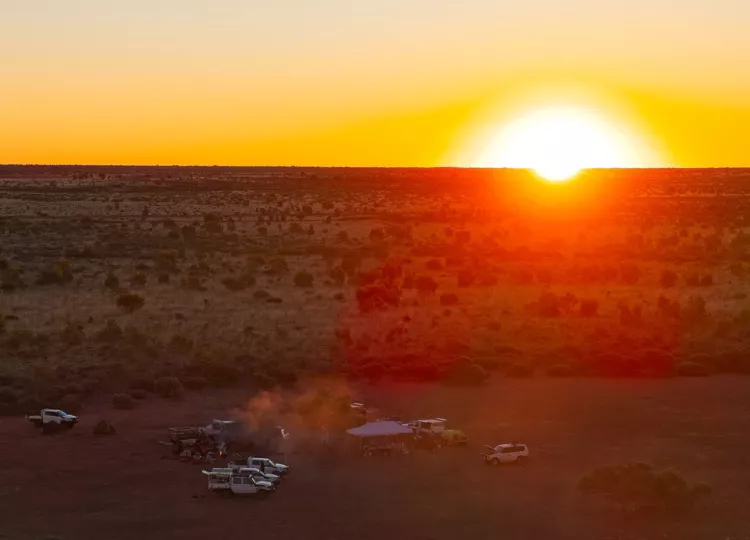
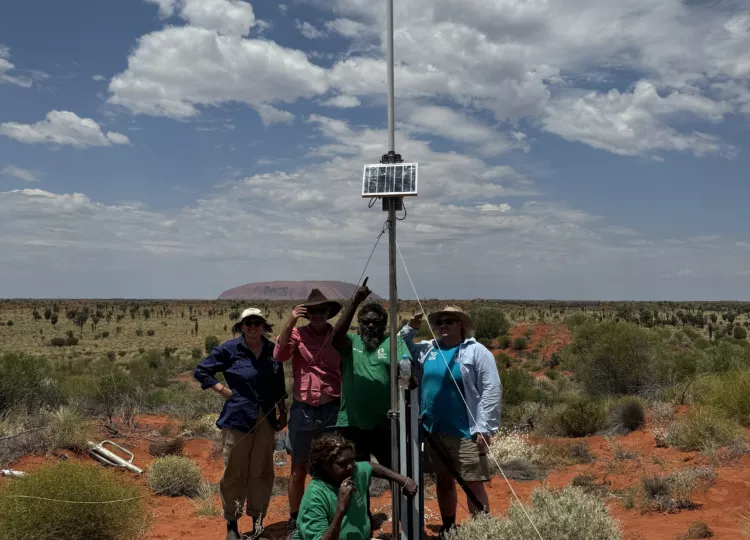
Taking advantage of the cooler weather, Marlene Spencer, Walungurru Traditional Owner, took the time to dig up a Tjalapa for everyone to see after their first survey. Despite the hot weather creeping back in through the week, the Walungurru Rangers marched across the spinifex sands in search of Tjalapa burrows, finishing all five survey sites and picking up camera traps on the way.
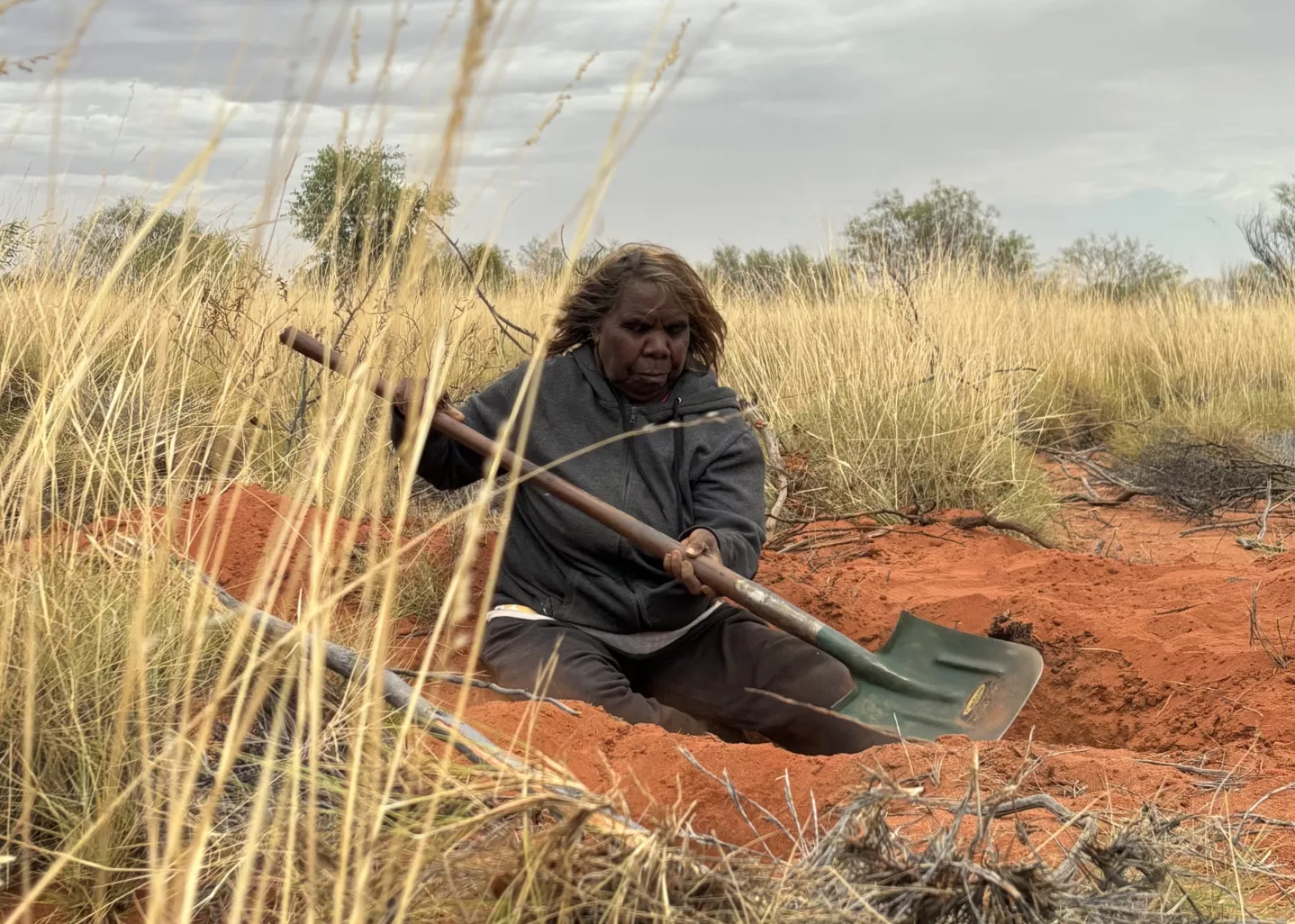
"We walking everywhere, in a line all together, everybody. Find one and sing out."
Throughout March, 16 Indigenous ranger teams from NT, WA and SA participated in Mulyamiji March surveys, walking the same size plots and recording the same data. This data is then compiled in partnership with the Australian Government's National Environmental Science Program's (NESP) Resilient Landscapes Hub to give a clear picture of how Tjalapa populations across the desert are going. This is the third time the comprehensive survey has happened.

Central Land Council, based in Alice Springs, manages a ranger network across Central Australia.
Website Read
Story
Read
Story
 Read
Story
Read
Story
 Read
Story
Read
Story
 Read
Story
Read
Story
 Read
Story
Read
Story
 Read
Story
Read
Story
 Read
Story
Read
Story
 Read
Story
Read
Story
 Read
Story
Read
Story
 Read
Story
Read
Story
 Read
Story
Read
Story
 Read
Story
Read
Story
 Read
Story
Read
Story
 Read
Story
Read
Story
 Read
Story
Read
Story
 Read
Story
Read
Story
 Read
Story
Read
Story
 Read
Story
Read
Story
 Read
Story
Read
Story
 Read
Story
Read
Story

Warning: Aboriginal and/or Torres Strait Islander peoples should be aware that this website may contain images, voices and names of people who have passed away which may cause sadness or distress.