Tracking Tjakuṟa: Mulyamiji March 2025
4 minute read

Registrations for the 2026 IDA Conference are now open.
4 minute read
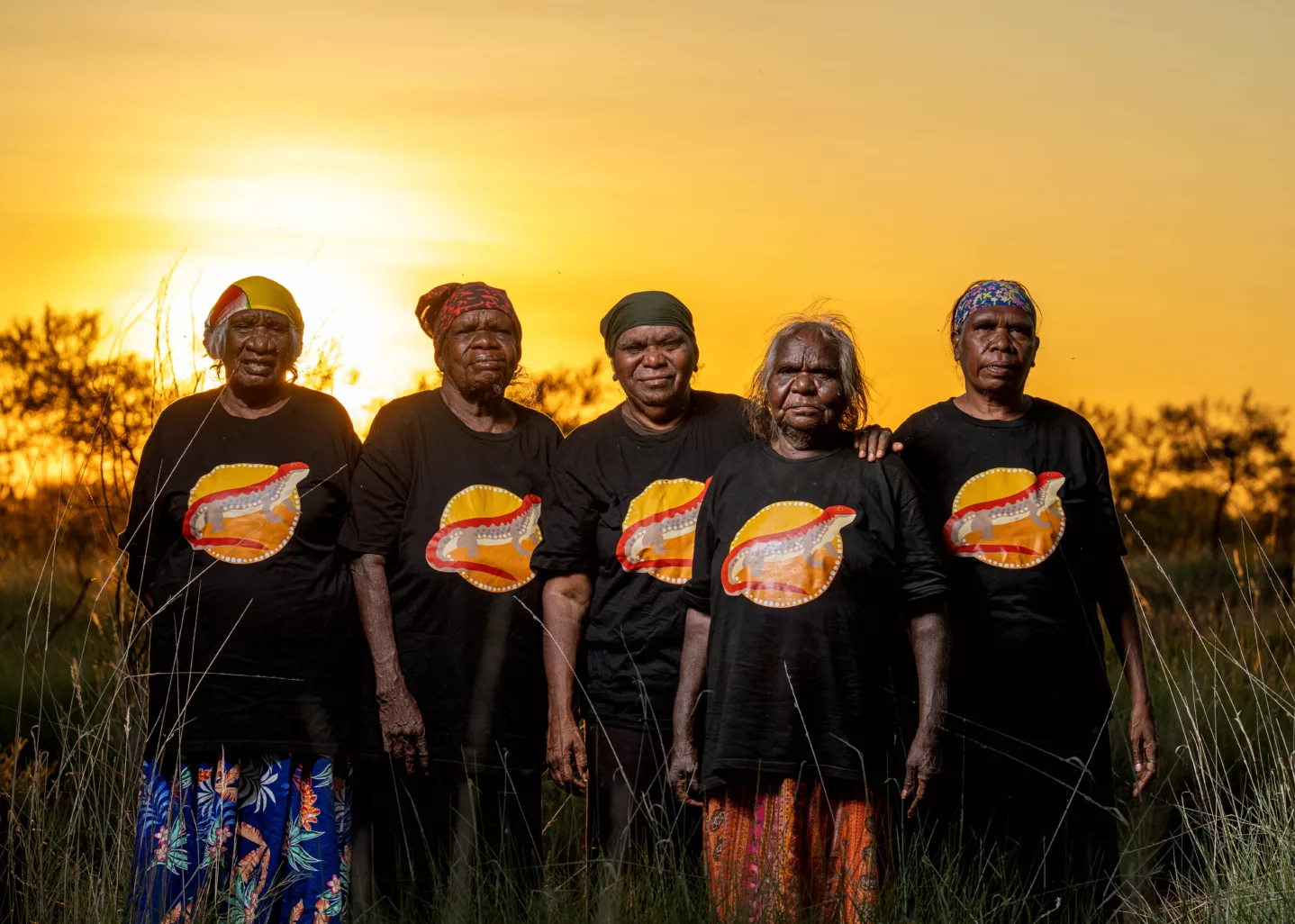
Mulyamiji March, the largest collaborative threatened species monitoring event in the Australian desert, returned for its third year in a row this field season, bringing together Traditional Owners and Indigenous rangers from across the desert with scientists and land managers.
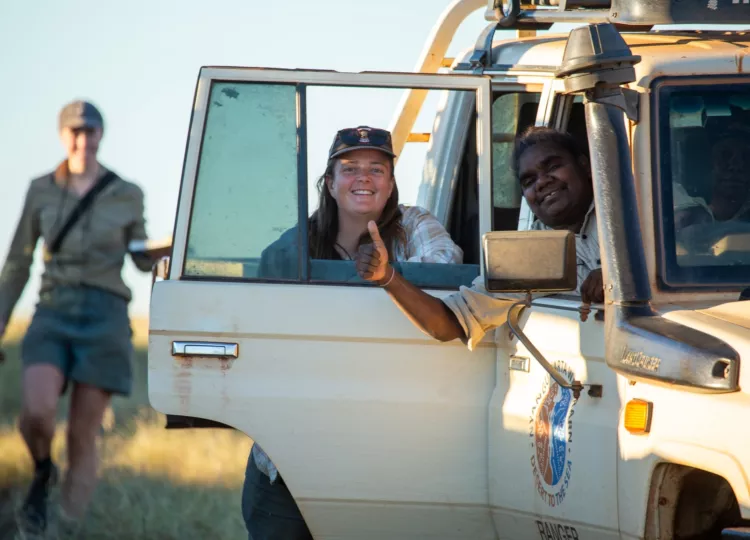
Combining their expert tracking skills and local knowledge with the latest and greatest in science, Indigenous rangers marched across the desert looking for tracks and traces of Great Desert Skink, also known as Tjakuṟa, Mulyamiji, Tjalapa, Warrarna, and Nampu.


"We walking everywhere, in a line all together, everybody. Find one [a burrow] and sing out."
The Tjakuṟa is a large orange skink, around the size of a blue-tongued lizard. They live in large family burrow systems with a communal toilet where the family deposit their scats.
Although they once thrived across the desert, the Tjakuṟa is now threatened by the combined impacts of feral cat predation and wildfire. They occur almost exclusively on Indigenous land, and have strong Tjukurrpa (Dreaming songs, sites, stories) across the desert and are thriving in areas where Indigenous rangers conduct traditional burning and cat management.

"Palya it was good work, I was happy to find lots of Tjalapa on one of the days."
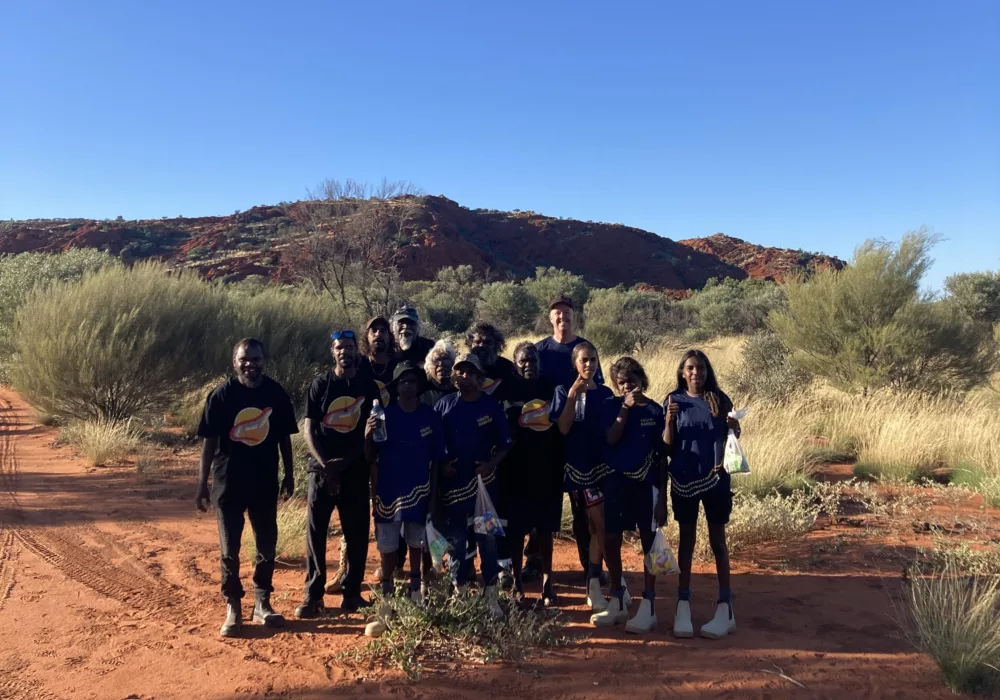


Sixteen ranger teams joined the march across the desert this year in search of Tjakuṟa, using the data to monitor populations across the desert, and whether they are increasing or decreasing.
By implementing management actions from the new recovery plan and surveying these sites every year, rangers are hoping that they will see an increase in the national Tjakuṟa population over the next ten years.

"It's so good just going through the landscape looking for signs of tracks for Kuniya (Woma python) and Tinka (Sand goanna) and we know where they are heading to – where the Tjakuṟa piti (burrows) are. That's how we know."
Most active burrows
Warakurna Rangers, assisted by Blackstone and Jameson Rangers and Warakurna School, with 102 active burrows.
Biggest effort
Uluṟu-Kata Tjuṯa Mala Rangers, with 33 sites and most rangers participating (21). The Mala Rangers also collaborated with Mutitjulu School to set up a Tjakura display at the Cultural Centre where the rangers and students delivered presentations to tourists about the Tjakura project.
Best school participation
Mutitjulu School made an outstanding effort. All classes did preliminary work learning about Tjakura, as well as participating in the field survey, learning from Senior Knowledge Holders Malya Teamay and Daisy Walkabout. The students used the National Recovery Plan for Tjakura to create their own Local Action Plan for Tjakura about what they can do to care for Tjakura. Read their Facebook post about it here. Shout out to all the other schools that got involved in Mulyamiji March this year including Warakurna School, Kiwirrkurra School, Nyangatjatjara College and Rawa School in Punmu.
Best photo
Birriliburu Rangers, who recorded some amazing footage of Tjakura and other animals visiting their burrows on their camera traps, including this very graphic example of cat predation.

Best social media post
The Central Land Council Warlpiri Rangers post had stunning photos and great information. This was the first year the Warlpiri Rangers participated in Mulyamiji March and they did a fantastic job to record 60 active burrows across their 6 sites. Shout out to Wiluna Martu Rangers who also did a terrific post about Mulyamiji March.
Encouragement award
Goes to Ngurrurpa Rangers, who also joined Mulyamiji March for the first time in 2025. The 26 active burrows they recorded extend the monitoring footprint even further north than previously mapped.
The Indigenous Desert Alliance is coordinating the implementation of priority actions in the Great Desert Skink Recovery Plan with support from the Australian Government's Saving Native Species Program and NESP Resilient Landscapes Hub. NESP is supported through funding from the Australian Government's National Environmental Science Program. The IDA gives special thanks to the 16 Indigenous Ranger Programs who contributed their expert skills and knowledge to Mulyamiji March in 2025.
 Read
Story
Read
Story
 Read
Story
Read
Story
 Read
Story
Read
Story
 Read
Story
Read
Story
 Read
Story
Read
Story
 Read
Story
Read
Story
 Read
Story
Read
Story
 Read
Story
Read
Story
 Read
Story
Read
Story
 Read
Story
Read
Story
 Read
Story
Read
Story
 Read
Story
Read
Story
 Read
Story
Read
Story
 Read
Story
Read
Story
 Read
Story
Read
Story
 Read
Story
Read
Story
 Read
Story
Read
Story
 Read
Story
Read
Story
 Read
Story
Read
Story
 Read
Story
Read
Story

Warning: Aboriginal and/or Torres Strait Islander peoples should be aware that this website may contain images, voices and names of people who have passed away which may cause sadness or distress.