All about feral cats
3 minute read

Registrations for the 2026 IDA Conference are now open.
3 minute read
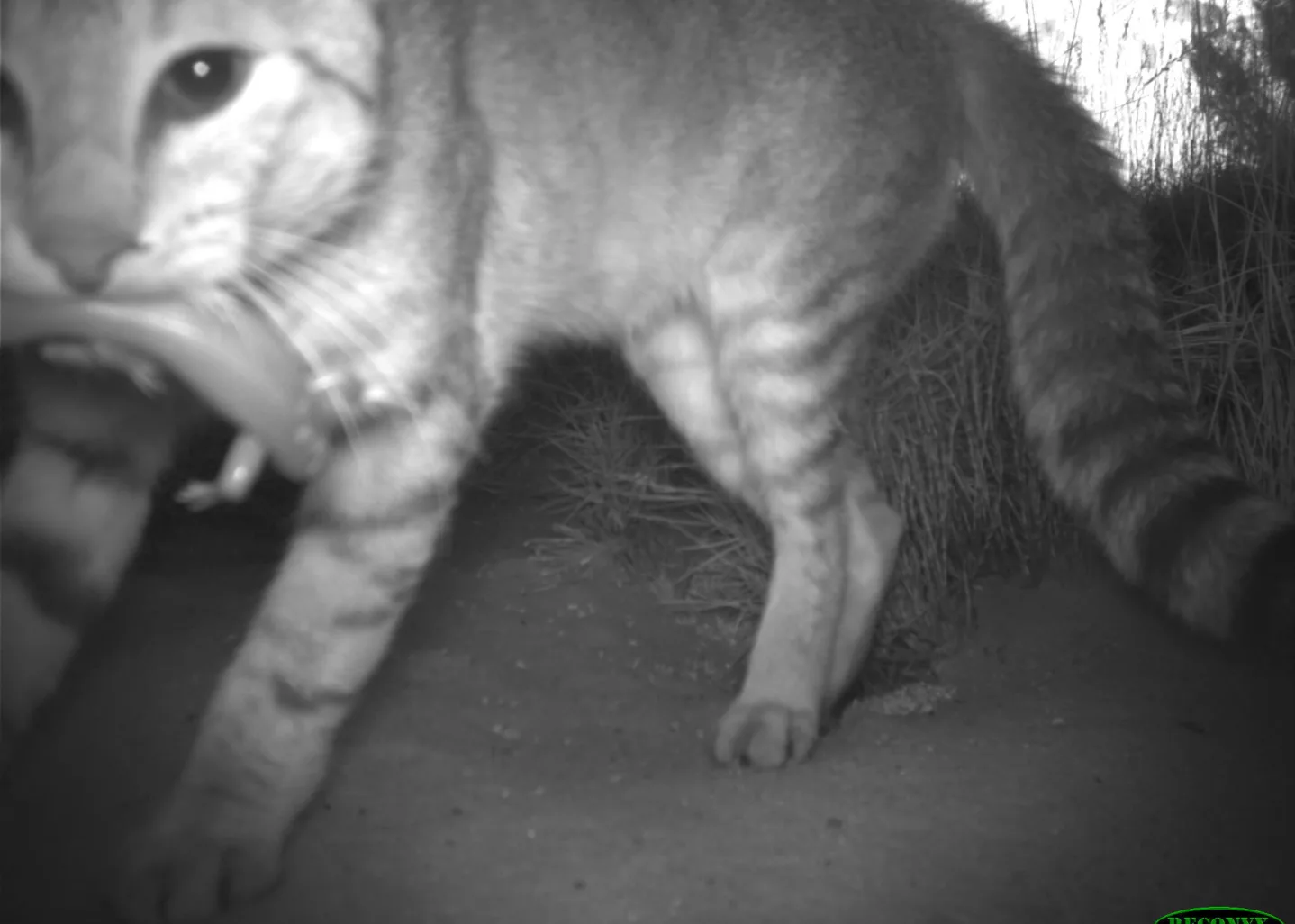
Feral cats are a major threat to the health of country, and rangers are leading the way in feral cat management across all corners of the desert. In this blog you'll find some good feral cat resources made by ranger teams, other places you can go to find more information about cats in community, and some good cat management stories from ranger teams across the desert.
A great one stop shop for all feral cat related information is the WA Feral Cat Working Group. Head to their website to read more about the impact feral cats have on country, tips on managing feral cats, and information about owning pet cats good ways.
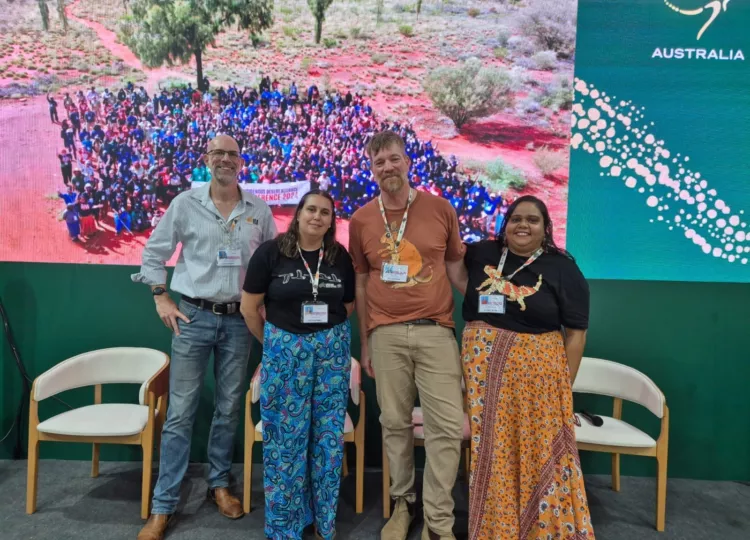
Back in 2023, rangers from Kiwirrkurra, Ngururrpa, Nyangumarta and Birriliburu attended the Feral Cat Symposium where they yarned up with other land managers and researches from all over Australia about the importance of feral cat management on country, and how rangers are leading the way in taking action. Listen to the rangers yarn up about what they're doing to tackle feral cats in the video below.
This is another great video from AMRRIC that has been translated into Central Arrernte on how important it is to desex cats in community to stop them having kittens.
It's not just feral cats that cause problems on country. Pet cats in community can cause damage too! This video was made by Kiwirrkurra Ranger Jodie Ward, as she surveyed the increase in cat ownership across 5 years in Kiwirrkurra Community. It's important to get pet cats operated on so they can't kill any native animals. AMRRIC have lots of good information about getting cats desexed, plus activities you can do with schools to teach the young fellas.
"It's really important to look after our native animals because of the feral animal killing them, especially the cat."
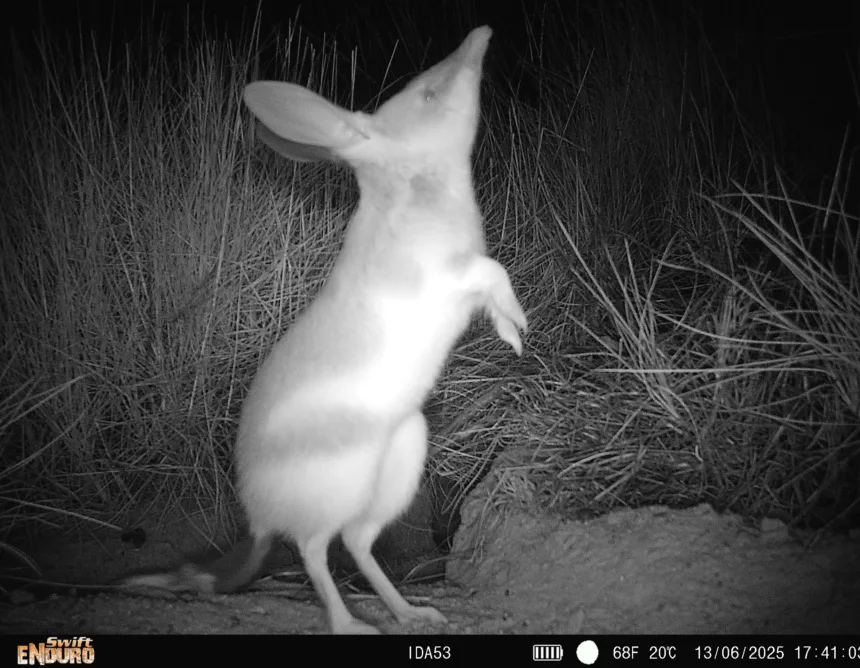
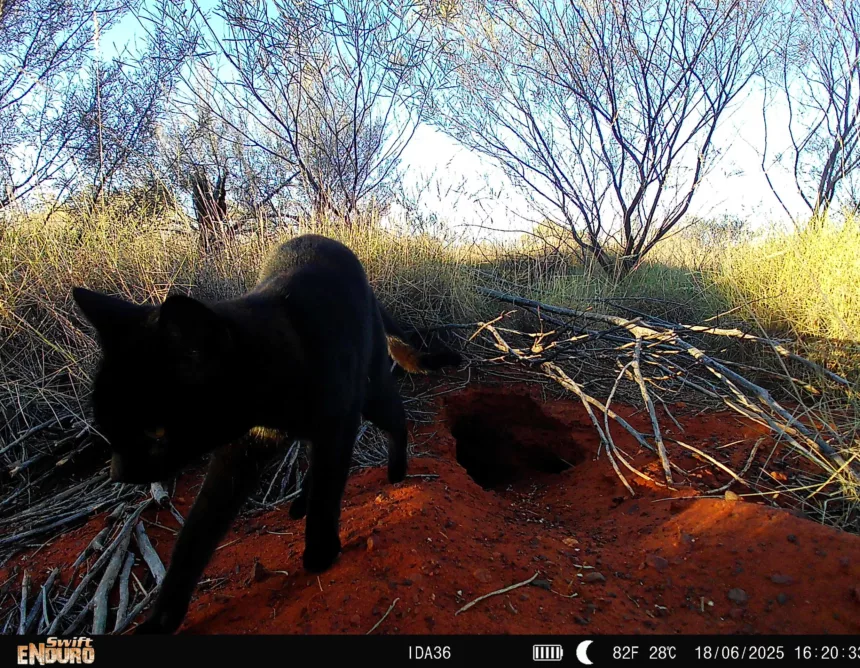
The Kiwirrkurra Rangers are well known for their deadly cat tracking skills. They successfully use their traditional on-foot hunting and burning techniques to look after Ninu (bilby) and Tjalapa (Great Desert Skink) populations close to Kiwirrkurra community. Over the past 10 years, Kiwirrkurra hunters have removed more than 200 cats.
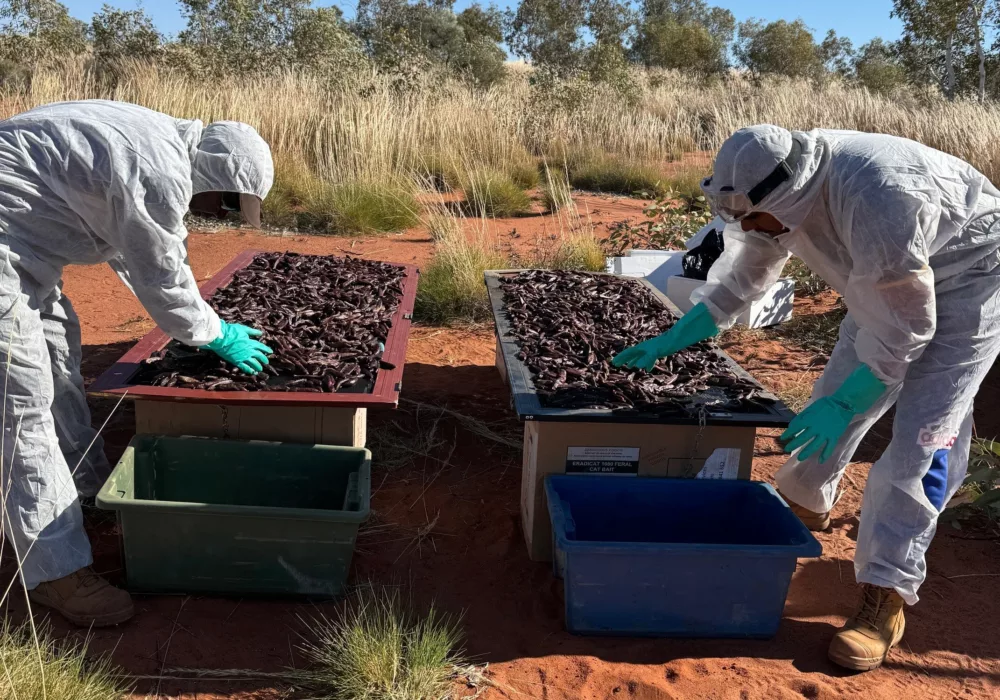
In a more remote part of Kiwirrkurra IPA that is too far away for regular hunting, the rangers are trialling aerial baiting to protect a Ninu population. Aerial baiting is the only predator control technique that can be used across really big areas. Being able to cover 40,000ha at once means it takes longer for cats and foxes to move back into the area again. Kiwirrkurra mob have just finished the second year of their two-year aerial baiting trial. They are carefully monitoring the effect of the baiting on the number of predators detected on cameras in baited and unbaited areas, and whether baiting will result in an increase in bilby numbers.
The downside of poison baiting is that dingoes can also be affected, which could be counterproductive in areas of the desert where dingoes are an important predator of cats and a culturally important species.
This project is supported by funding from the State Government's Feral Cat Management Grants, and the Resilient Landscapes Hub of the National Environmental Science Program.
Felixers are a very specific control method that only kills cats and foxes. It's a high-tech machine that uses AI to recognise which animal is walking past. If a cat or fox is detected, they Felixer sprays poisonous gel on their fur. When they lick their fur to clean themselves, they swallow the poison and die.
Felixers are a useful tool to protect high priority patches of habitat for threatened species. The Ngururrpa Rangers are using Felixers to control cats around Night parrot roosting sites. The APY Rangers have also been having good success with Felixers around their highly endangered Tjakura population on the Watarru IPA. Over the past 6 months they have sprayed 1 cat and 4 foxes that have visited the last 4 active Tjakura burrows known in South Australia.
The Ngururrpa Felixer project is supported by the WA Aboriginal Ranger Program, the NESP Resilient Landscapes Hub and Thylation. The Watarru Felixer project is supported through funding from the Australian Government's Saving Native Species Program.

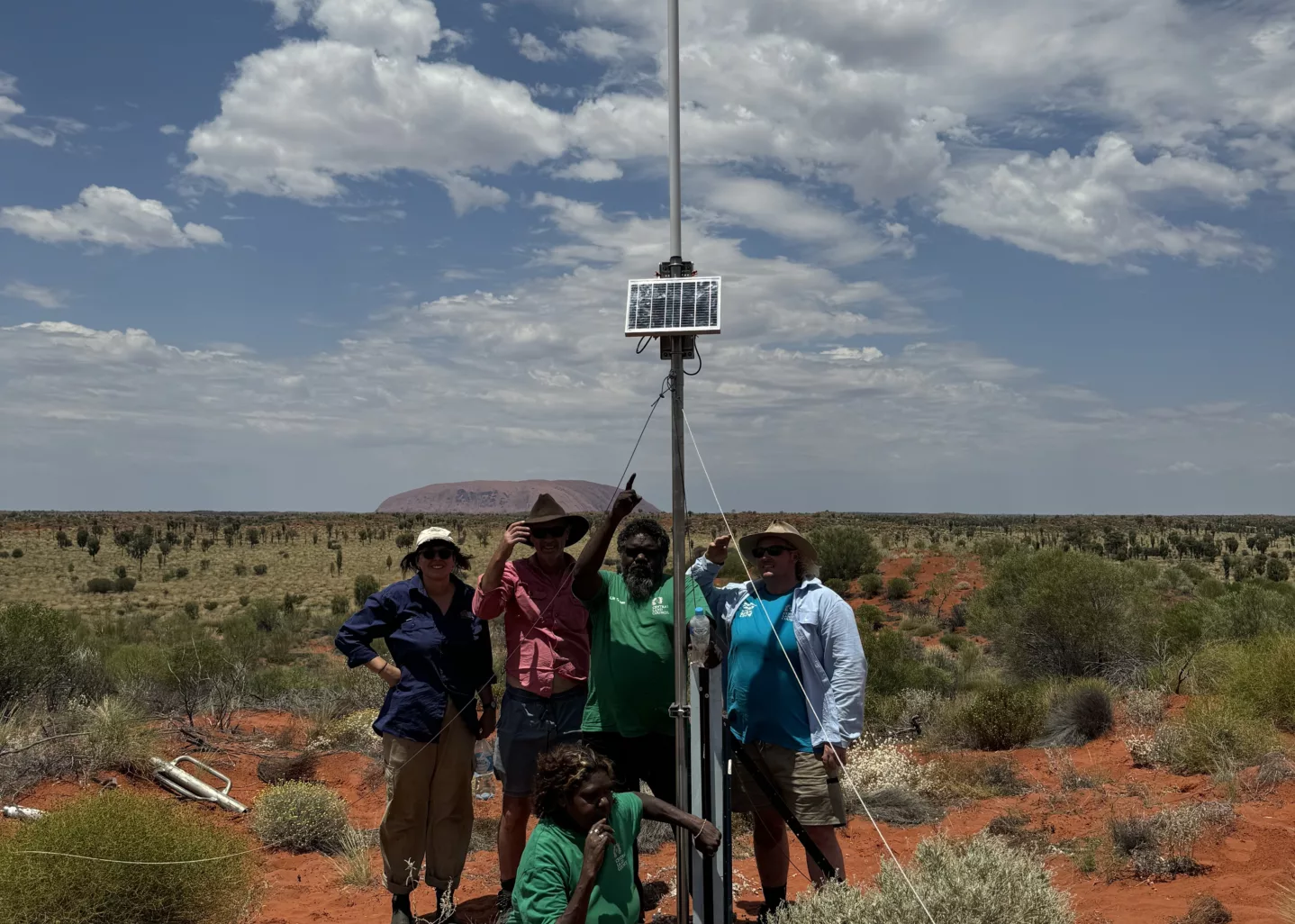

Trapping is another method desert mob use to control feral cats. Cage traps work best where cats are really hungry, like in the middle of winter when there aren't many reptiles around to hunt. New Celium Network technology can make cat trapping more efficient – each trap is set up with a device that sends a message to the ranger's email if the trap is closed.
The Central Land Council's Tjakura Rangers have set up a Celium trapping system to protect their Tjakura population on the Katiti-Petermann Indigenous Protected Area. A Celium trap alert system has also been set up around the Tjakura population at Yulara, and this year alone the staff at Voyages Indigenous Tourism Australia have already removed 8 cats using cage traps.
 Read
Story
Read
Story
 Read
Story
Read
Story
 Read
Story
Read
Story
 Read
Story
Read
Story
 Read
Story
Read
Story
 Read
Story
Read
Story
 Read
Story
Read
Story
 Read
Story
Read
Story
 Read
Story
Read
Story
 Read
Story
Read
Story
 Read
Story
Read
Story
 Read
Story
Read
Story
 Read
Story
Read
Story
 Read
Story
Read
Story
 Read
Story
Read
Story
 Read
Story
Read
Story
 Read
Story
Read
Story
 Read
Story
Read
Story
 Read
Story
Read
Story
 Read
Story
Read
Story

Warning: Aboriginal and/or Torres Strait Islander peoples should be aware that this website may contain images, voices and names of people who have passed away which may cause sadness or distress.