Putting the desert on the map at global climate conference, COP28
3 minute read

Registrations for the 2026 IDA Conference are now open.
3 minute read
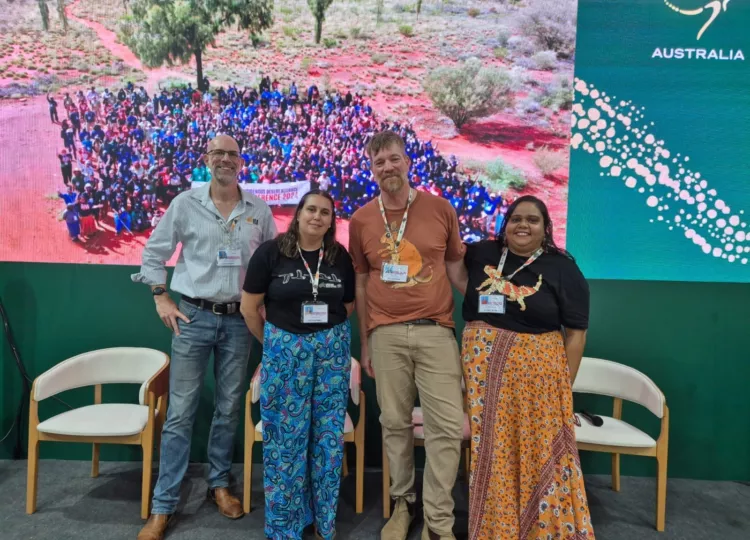
IDA Deputy CEO Sam Murray and IDA Coordinator Jon Hodgetts attended COP28, the United Nations Climate Change Conference in Dubai, to share the desert climate change story.
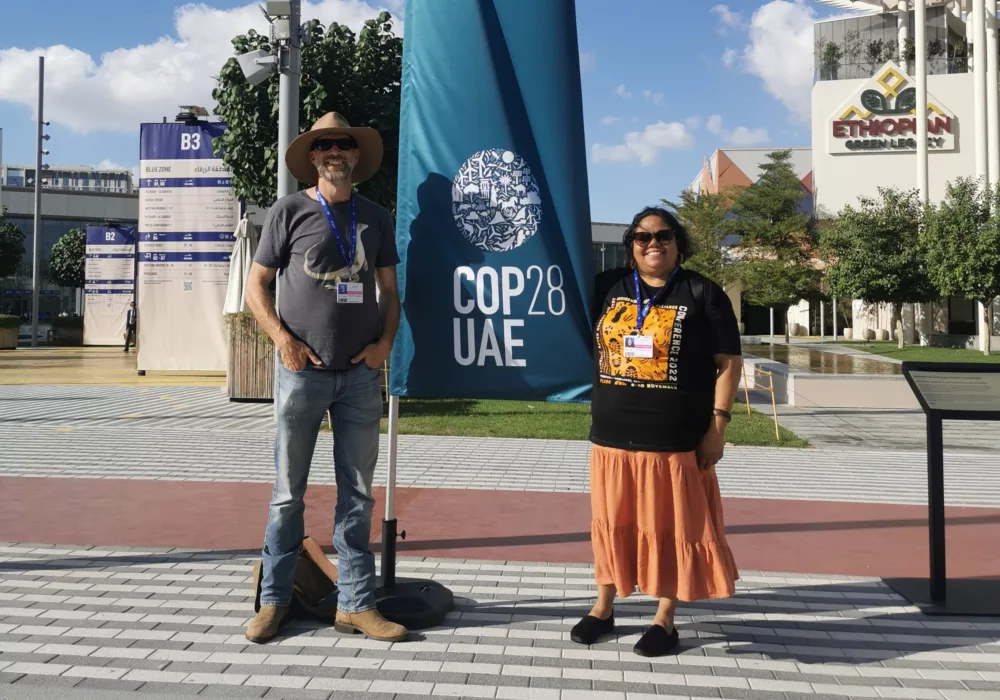
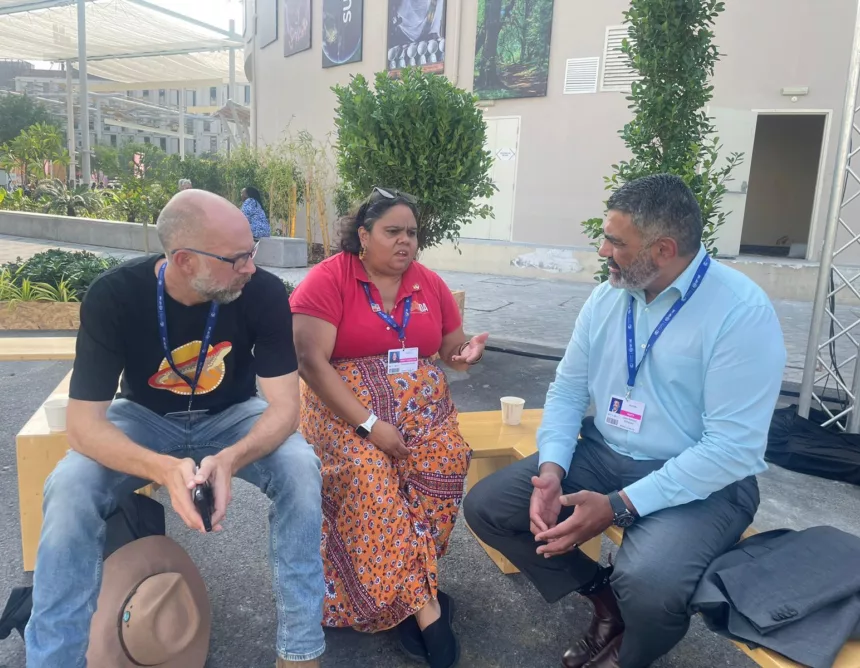
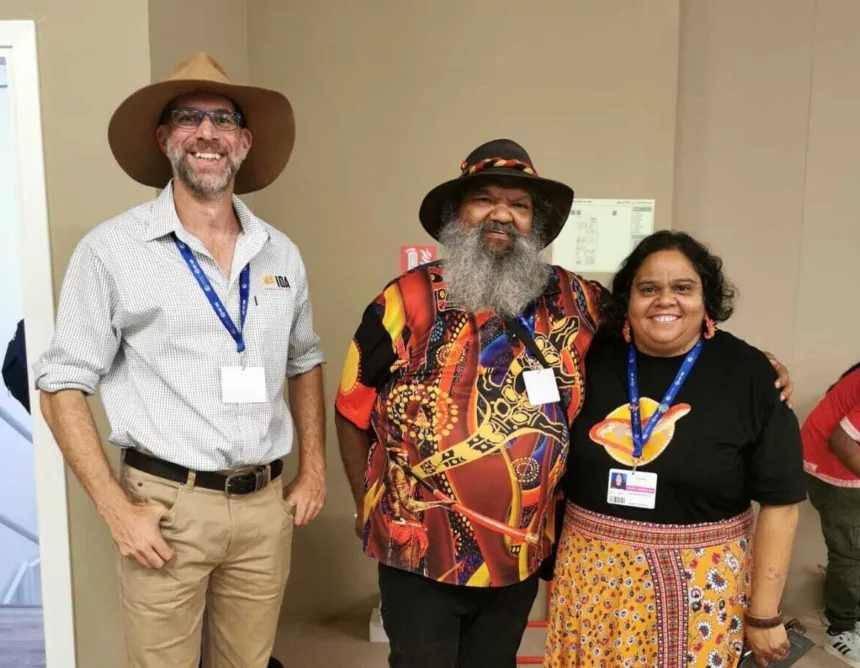
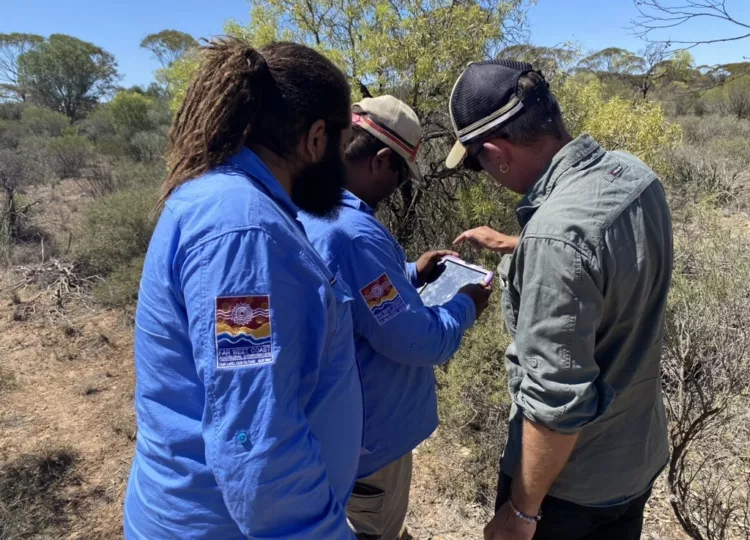
The Australian desert makes up one-third of the country, and Indigenous ranger groups work hard to maintain its healthy ecosystems and cultural connections, the right way. Despite the vastness of the desert, there is little awareness and knowledge of the challenges that the climate crisis is causing in the desert.
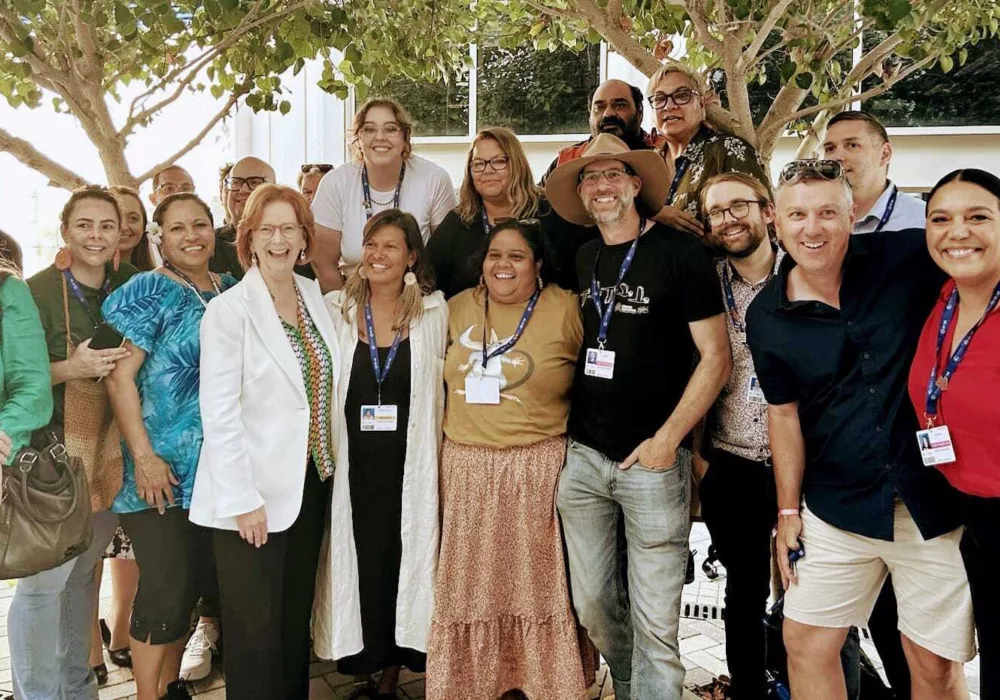
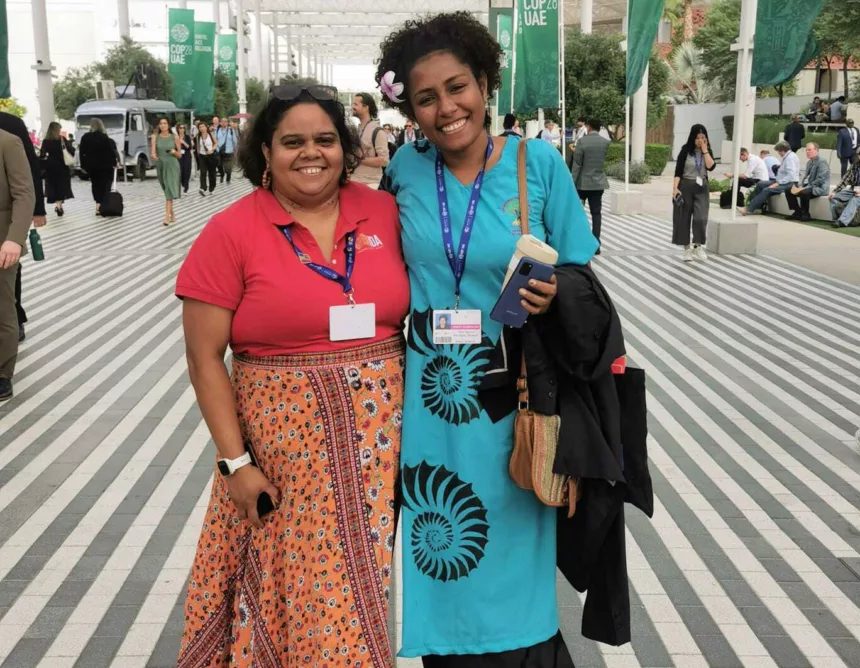

Indigenous Australians are not alone; First Nations representatives from around the globe spoke at COP28 about the impacts of climate change they have long been dealing with. The message is clear; Indigenous people around the world are the first responders to climate change, and there is no solution to it without them.
"We are looking after threatened species, we are looking after country, we are burning country the right way, so we're not only hitting cultural outcomes for our mob, we're also hitting environmental outcomes for you mob. So what I say is: give us the space, support us, listen to us, because again, we know how to look after our Country the right way."

To remain climate change resilient and encourage the combined healing of people and Country, we have to keep collaborating with Indigenous communities and our international First Nations family.
Just like the calls from our Pacific Island neighbours, Aboriginal and Torres Strait Islander communities, including the voices of desert mob, must not only be heard, but acted on. For Indigenous desert rangers, that includes further support for planning and executing land management initiatives to ensure community adaptation, climate resilient infrastructure, and water & energy security.
"First Nations have to be up front, centre and leading. Front, centre and leading. That's the message the states within COP need to understand. Indigenous people hold the solution to the 1.5."
 Read
Story
Read
Story
 Read
Story
Read
Story
 Read
Story
Read
Story
 Read
Story
Read
Story
 Read
Story
Read
Story
 Read
Story
Read
Story
 Read
Story
Read
Story
 Read
Story
Read
Story
 Read
Story
Read
Story
 Read
Story
Read
Story
 Read
Story
Read
Story
 Read
Story
Read
Story
 Read
Story
Read
Story
 Read
Story
Read
Story
 Read
Story
Read
Story
 Read
Story
Read
Story
 Read
Story
Read
Story
 Read
Story
Read
Story
 Read
Story
Read
Story
 Read
Story
Read
Story

Warning: Aboriginal and/or Torres Strait Islander peoples should be aware that this website may contain images, voices and names of people who have passed away which may cause sadness or distress.