Indigenous leaders speak up for land and water at UN Biodiversity COP15
3 minute read
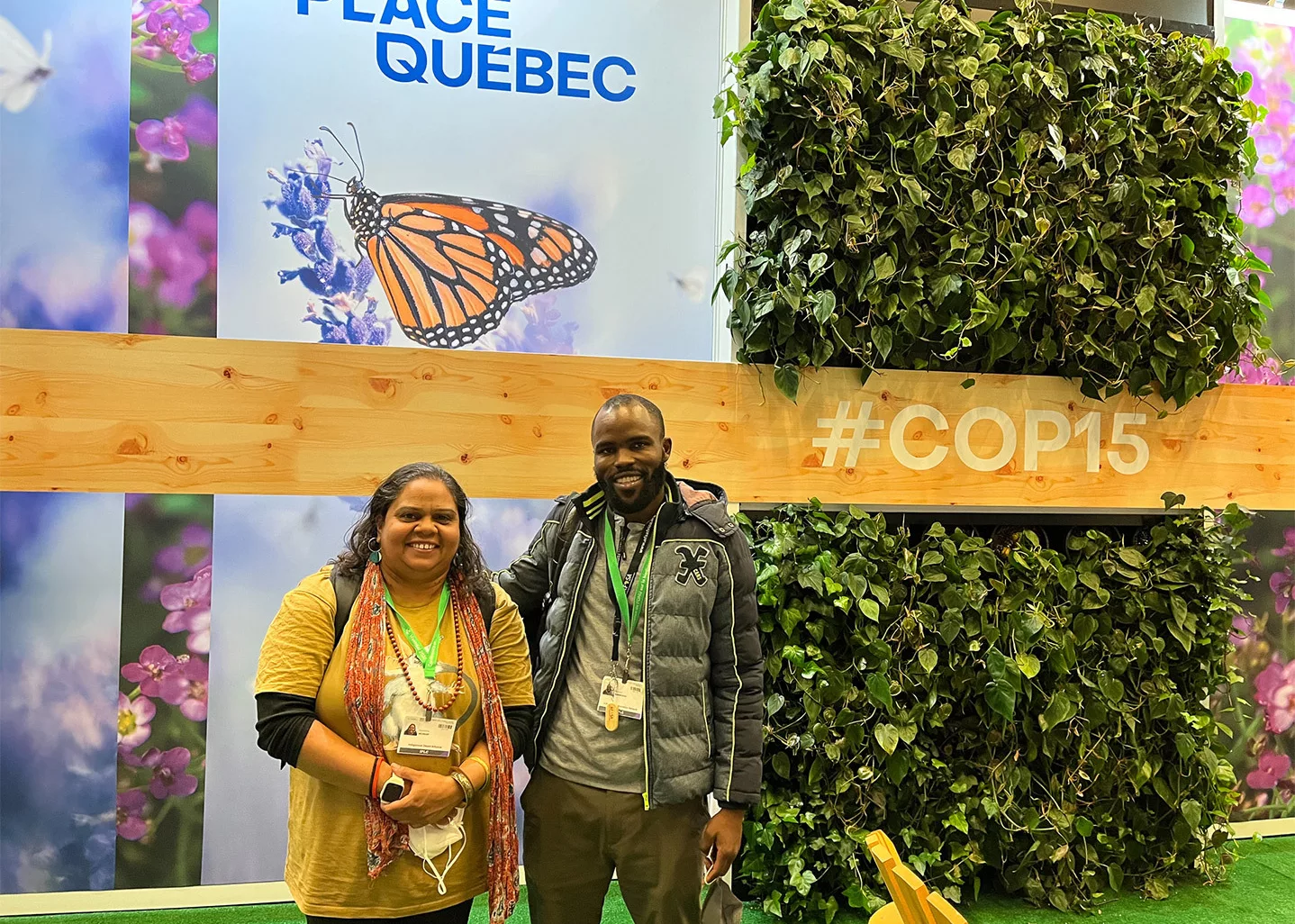
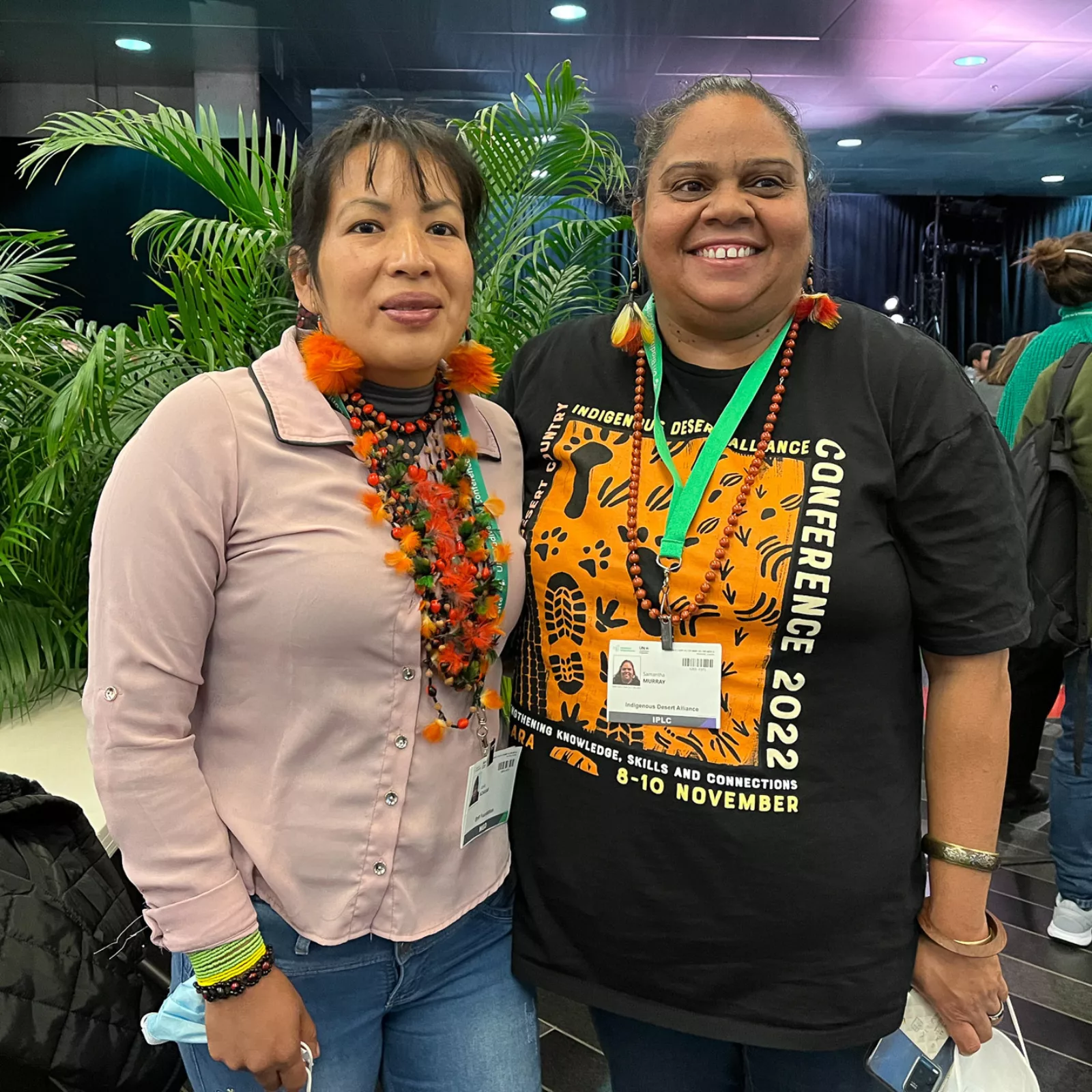
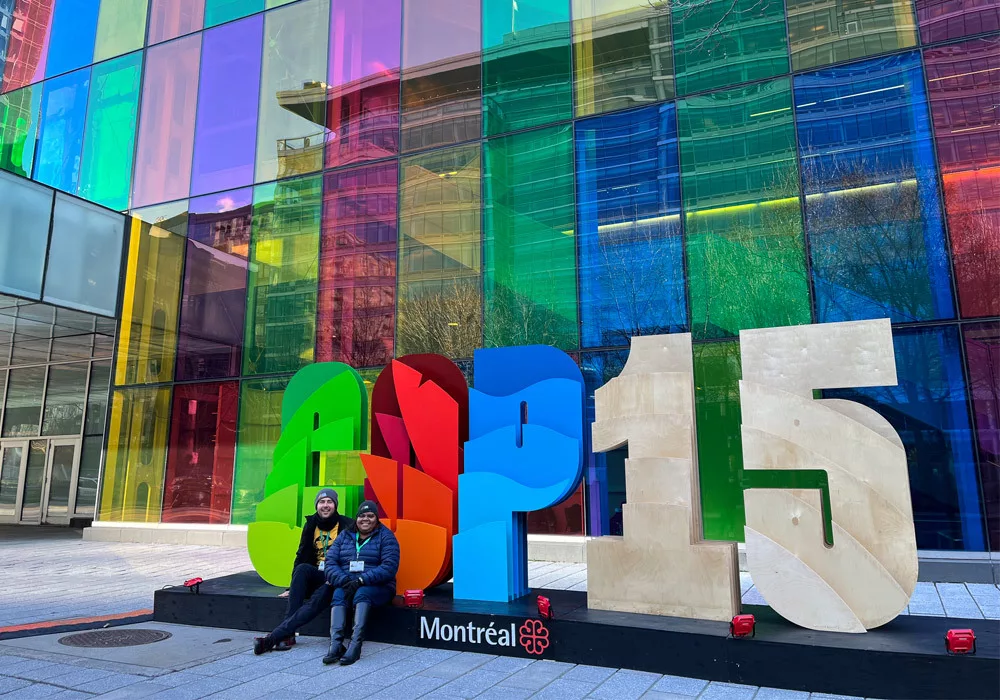
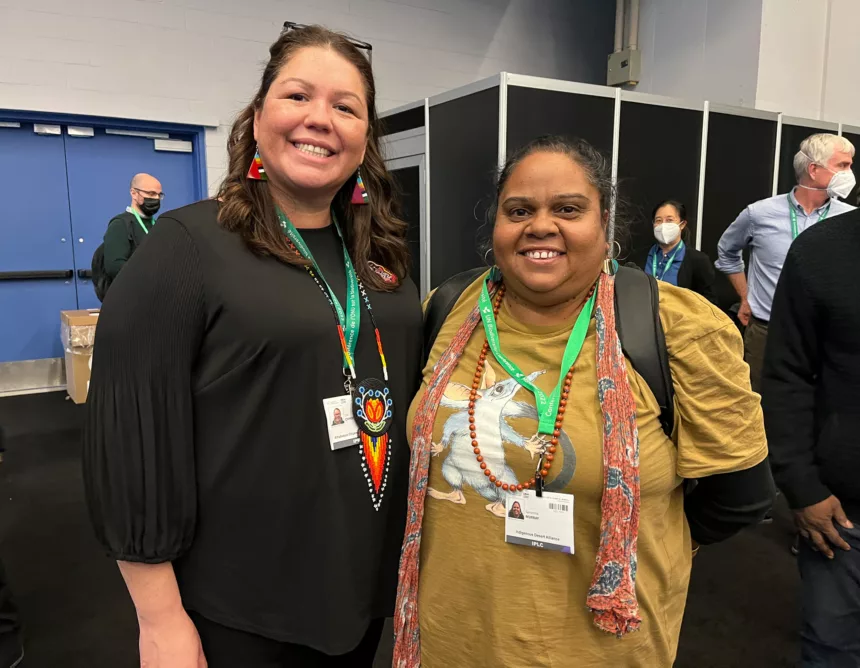
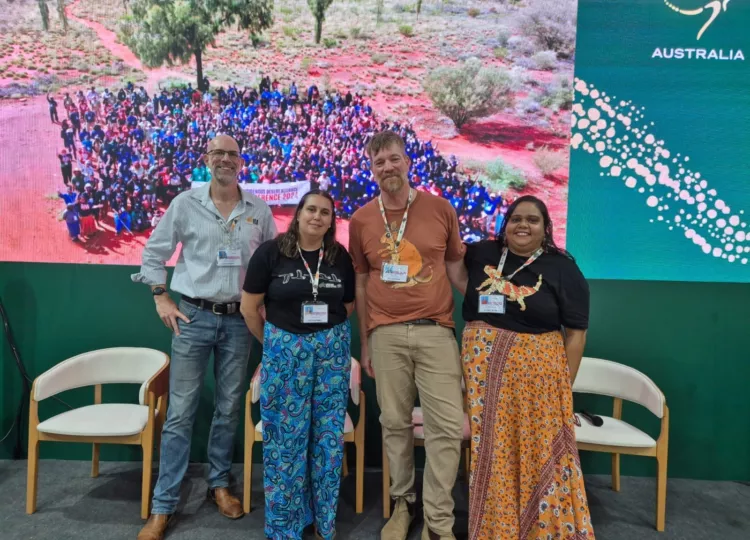
At the United Nations Biodiversity COP15 Conference in Montréal, Canada, Sam Murray, IDA Deputy CEO, had the opportunity to connect with Indigenous custodians, guardians, and delegates from local communities around the world.
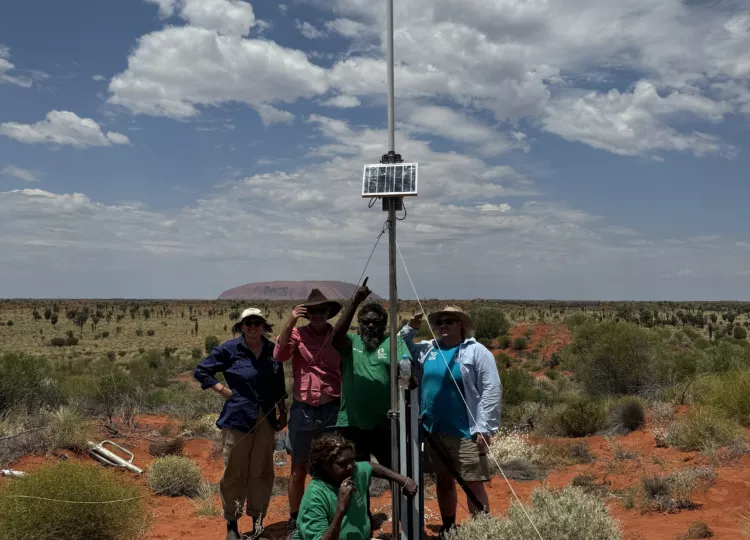
The vast majority of the Earth's remaining biodiversity is on lands managed by Indigenous peoples, who are already making significant contributions to restoring habitat and achieving healthy ecosystems. So, it was good to see Indigenous-led conservation projects connected with strong western science being recognised during the conference yarning.
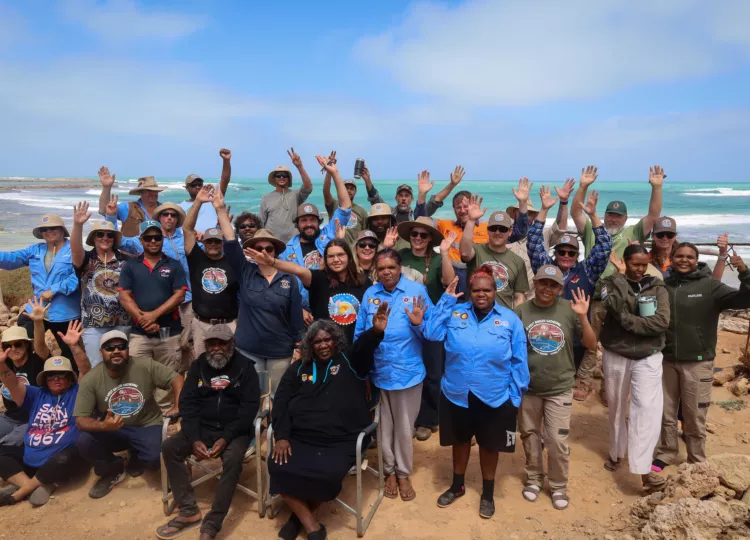
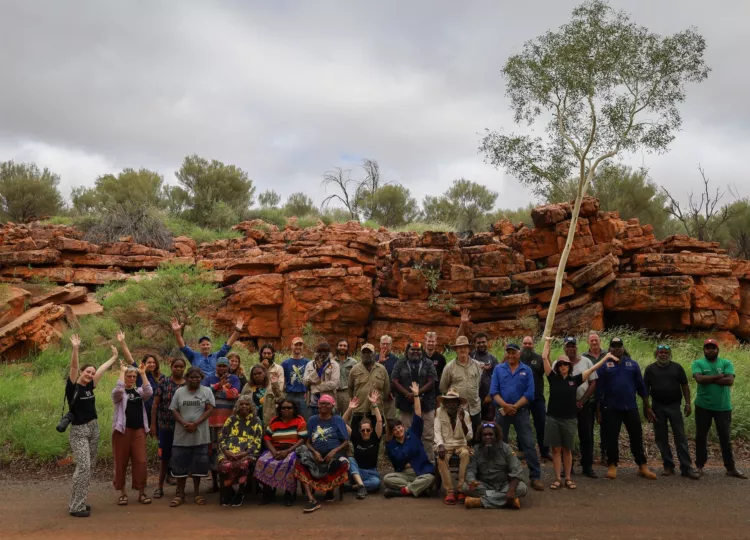
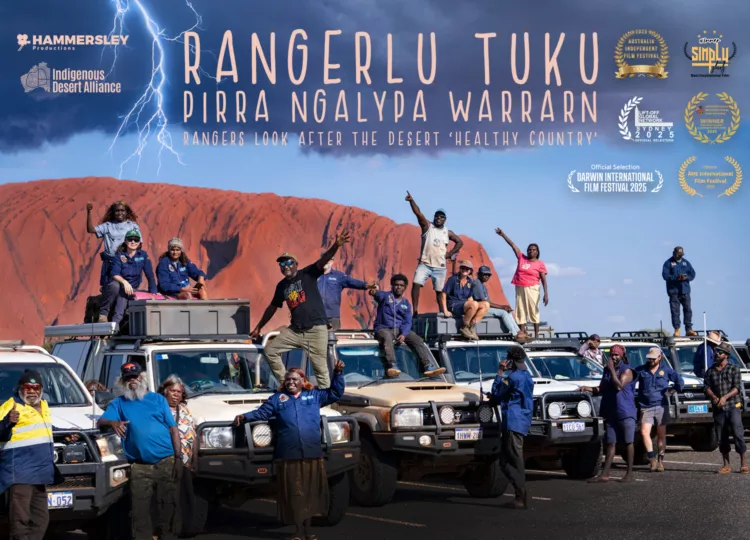
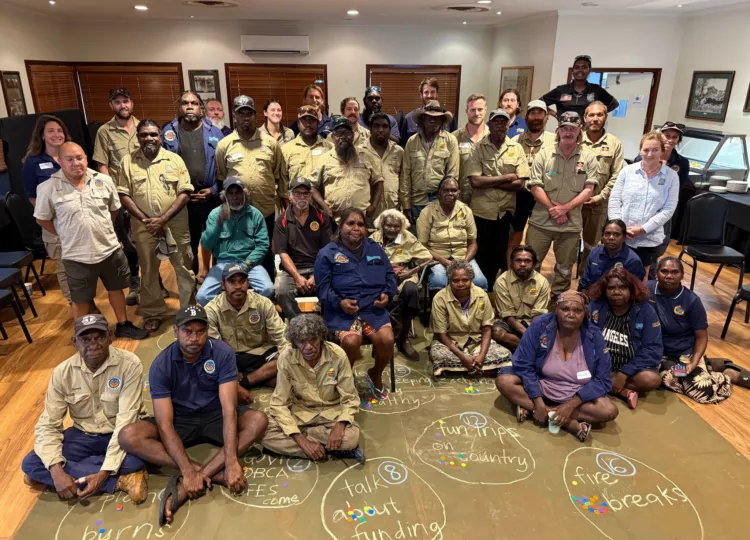
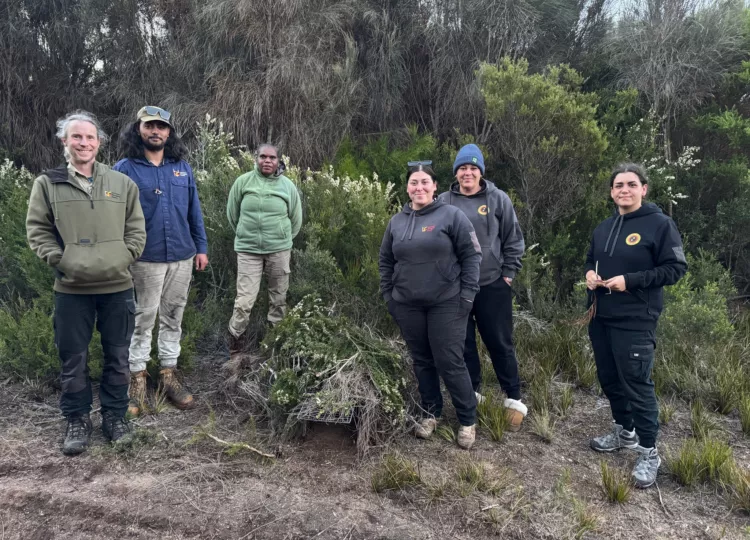
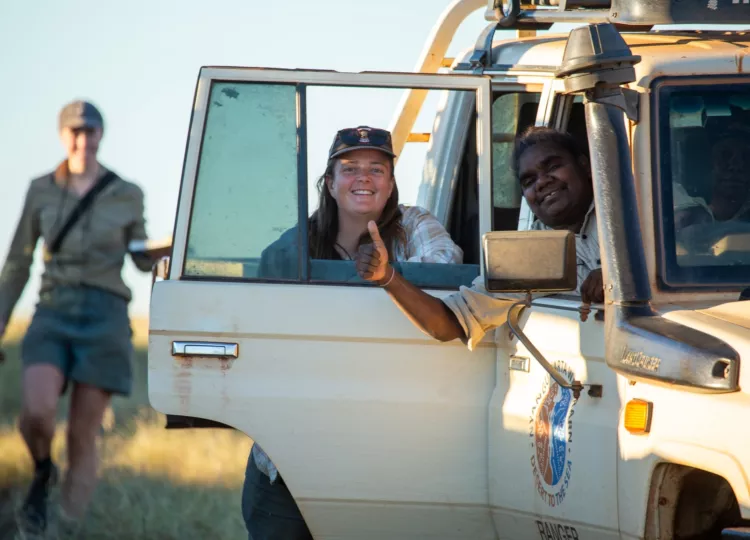
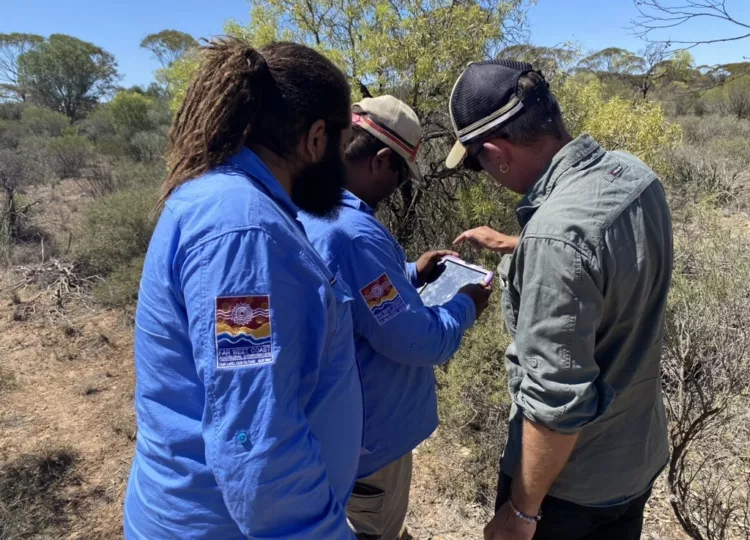
Sam was proud to share the work Indigenous desert rangers do, looking after country back home in Australia.
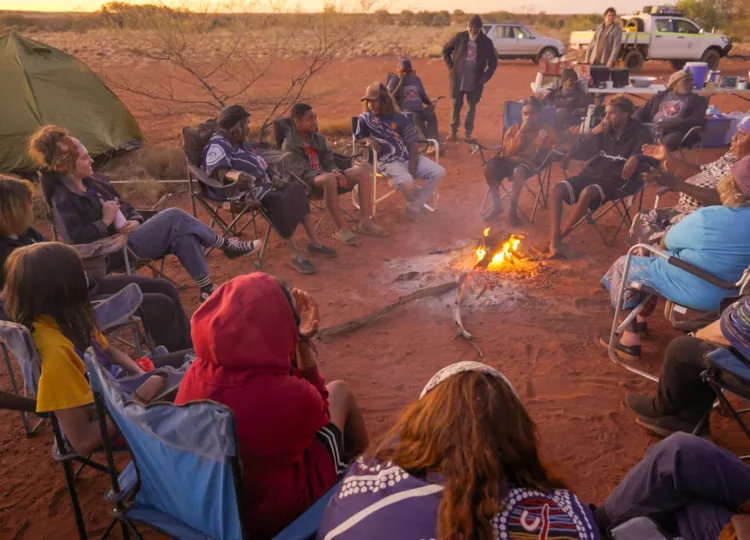
Throughout the conference, the common message shared by custodians was that so long as Indigenous people are looking after country and are supported in doing so, country will stay strong and healthy.
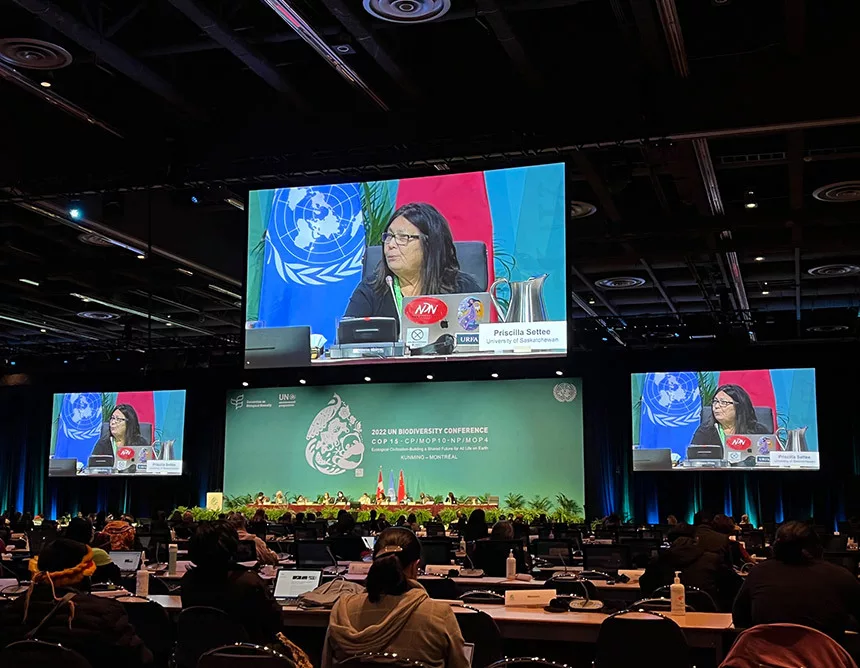
Sam was particularly moved by some of the Indigenous leaders who spoke during the conference, such as Dr Priscilla Settee from the University of Saskatchewan who said, "Only cultures built on love can survive" and Dr. Yolanda Teran of the Kichwa Nation of Ecuador who said, "We are here to make sure the preservation of land and sea are implemented in the culturally right way".
The IDA warmly welcomes the new global commitments to the ‘30 by 30’ goal to conserve 30 per cent of lands and water by 2030. It is important to note that 86 per cent of the Australian desert is held by Indigenous custodians, so there is a big job ahead for Indigenous land management organisations and more long-term funding is needed to close the finance gap.
Successful conservation relies on collaboration and Aboriginal communities have worked in this way for millennia. We hope that this landmark biodiversity agreement will ensure governments and businesses are now not only listening but supporting Indigenous-led conservation initiatives.
With thanks to our friends and partners at the Ampliseed Network. Watch and read more about Ampliseed's work at COP15 here.