Looking after bilby: Kiwirrkurra and Gooniyandi Ranger Exchange
5 minute read
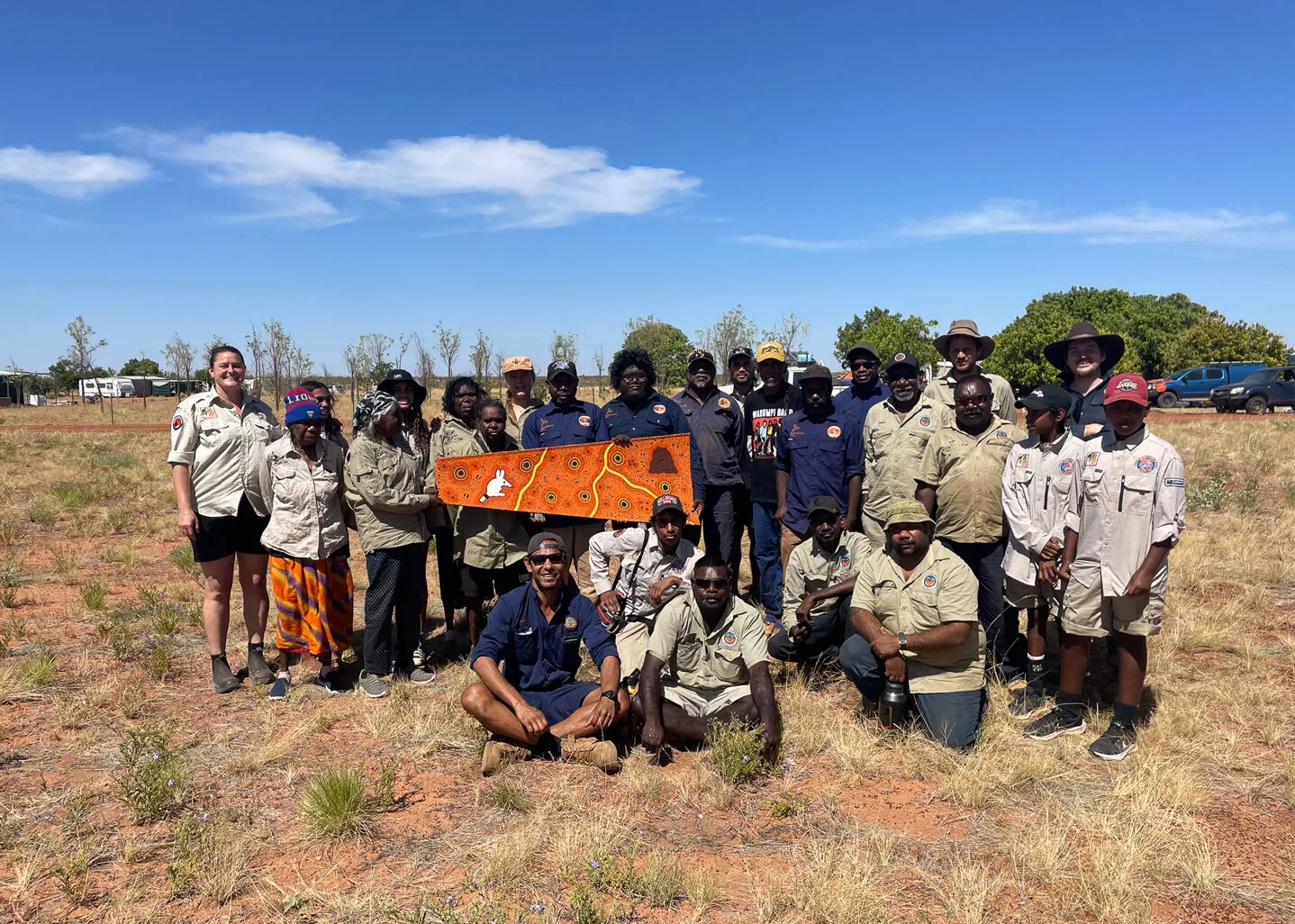
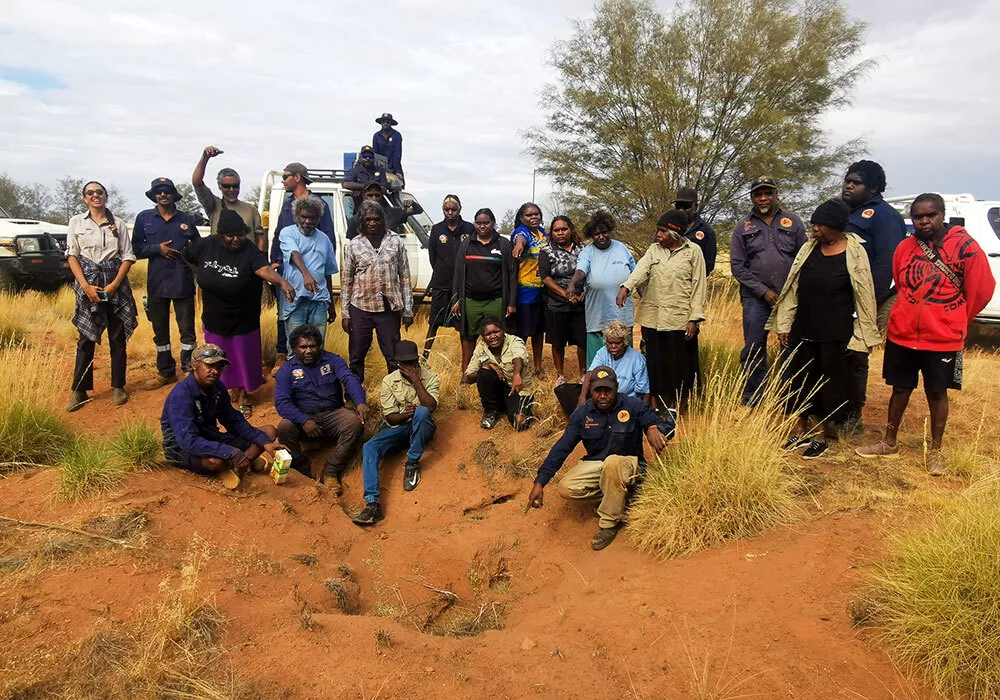
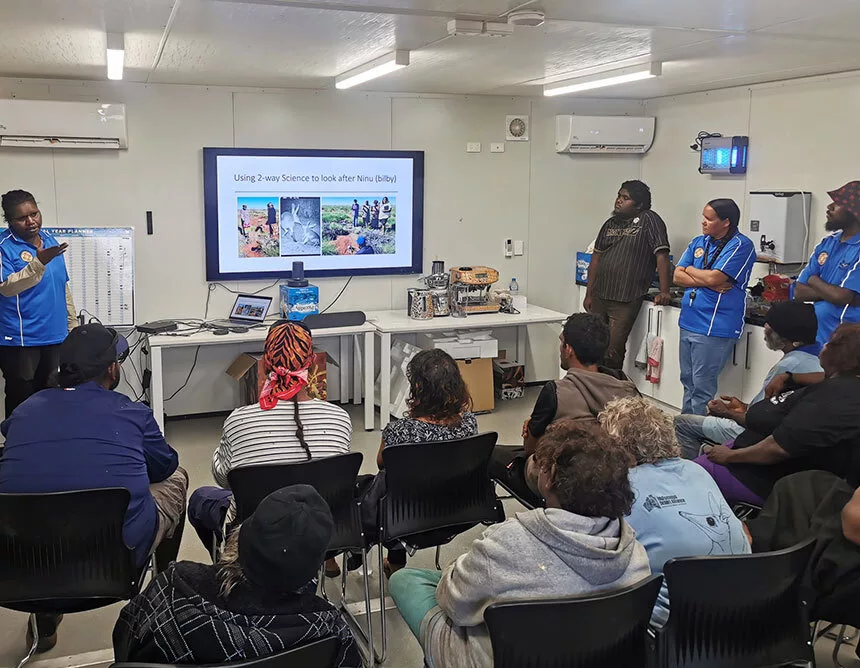
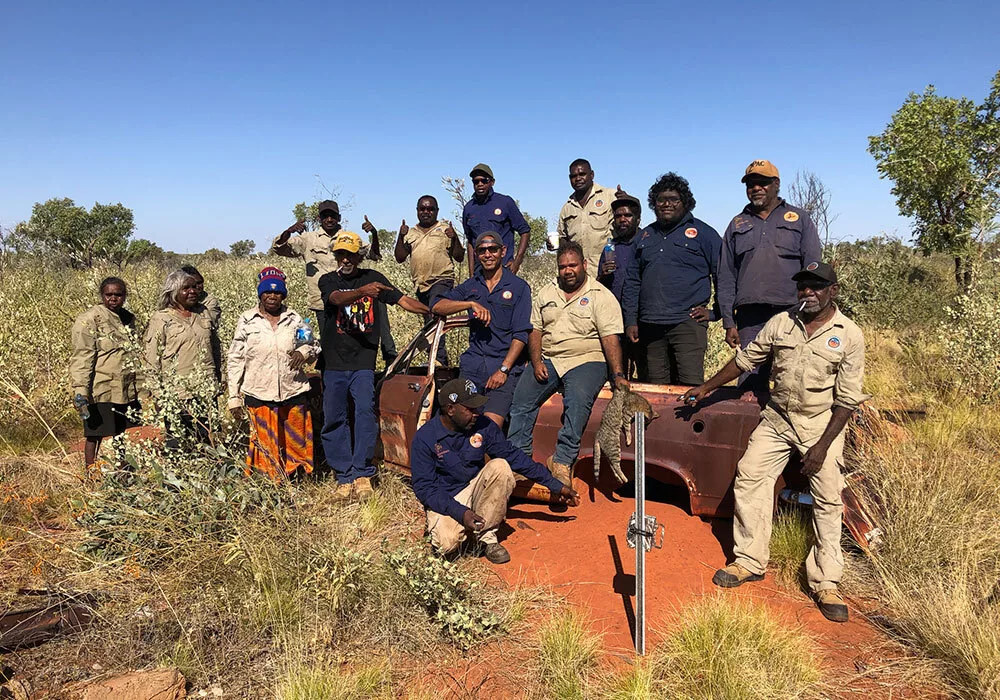
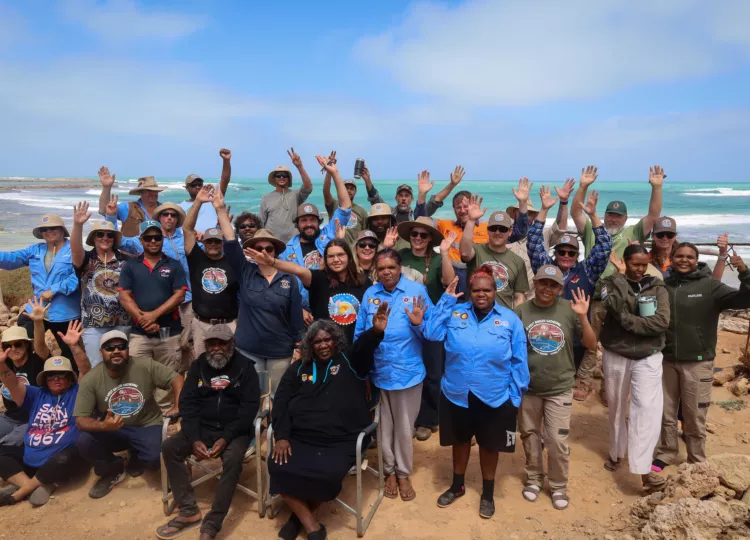
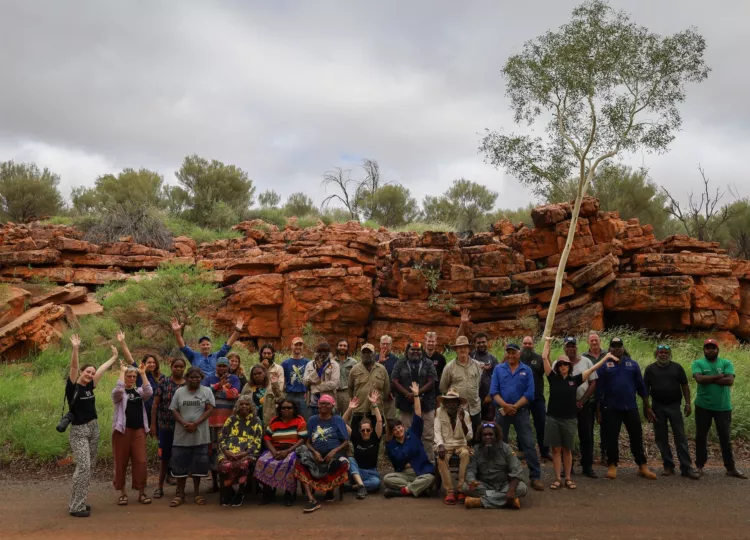
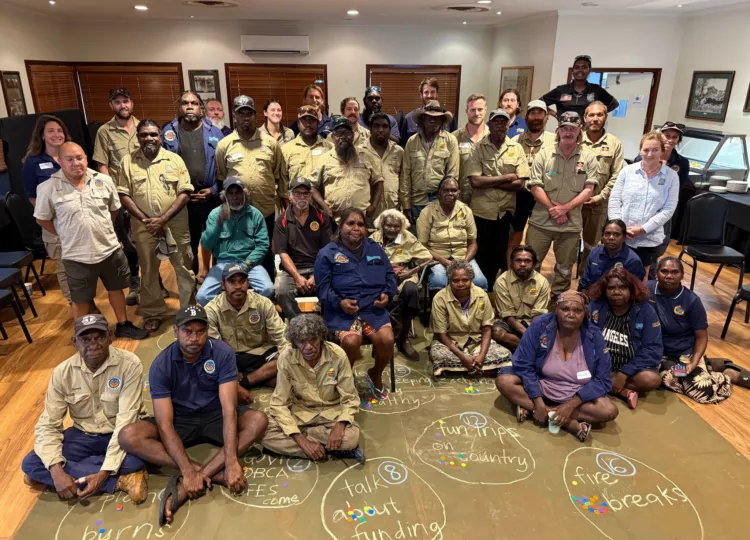
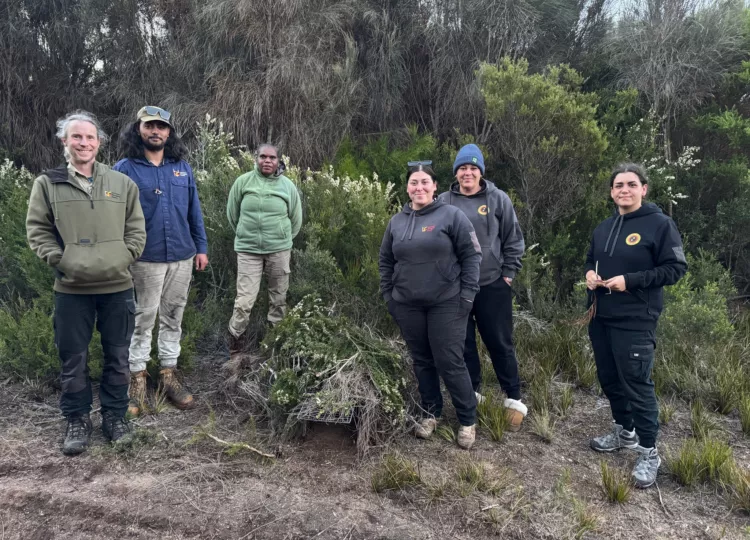
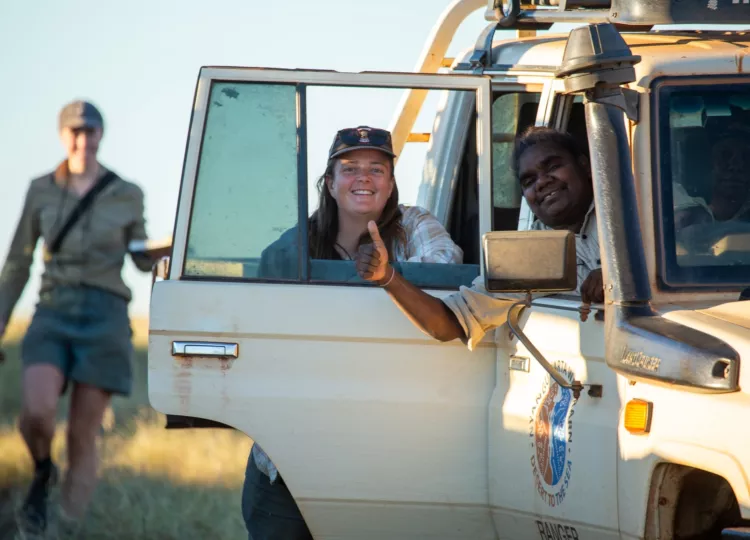
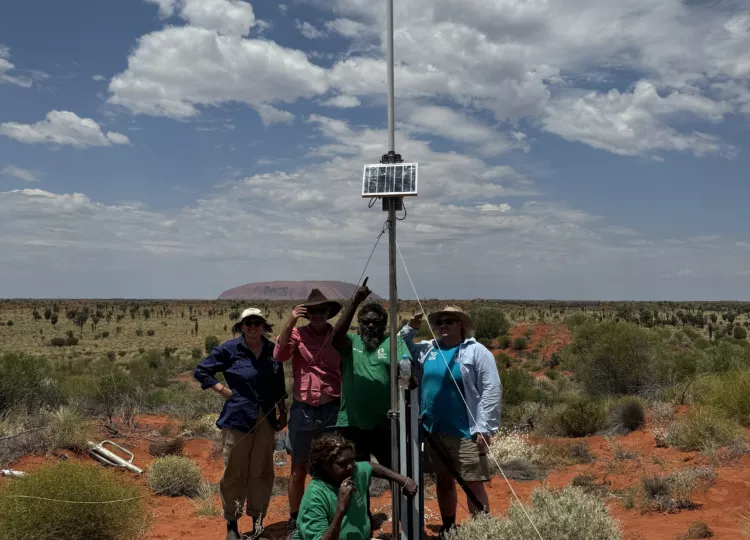
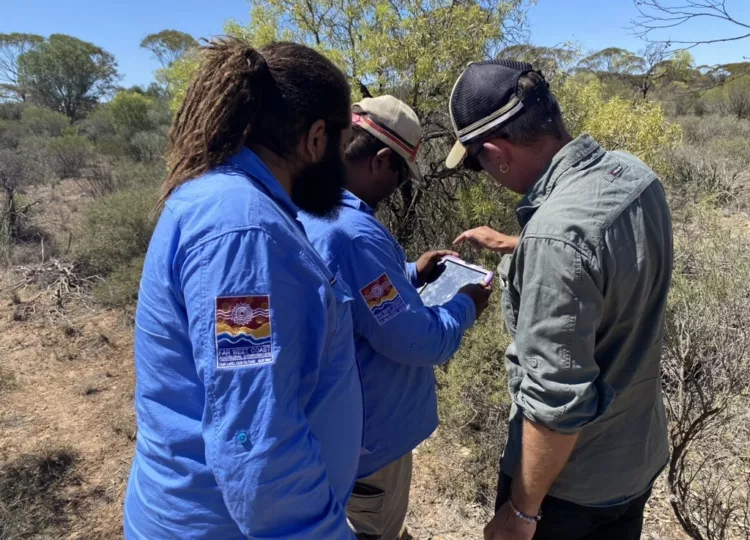
The Gooniyandi, Walungurru and Kiwirrkurra ranger teams each made long journeys to each other's country to share knowledge and skills about looking after threatened species like the bilby.
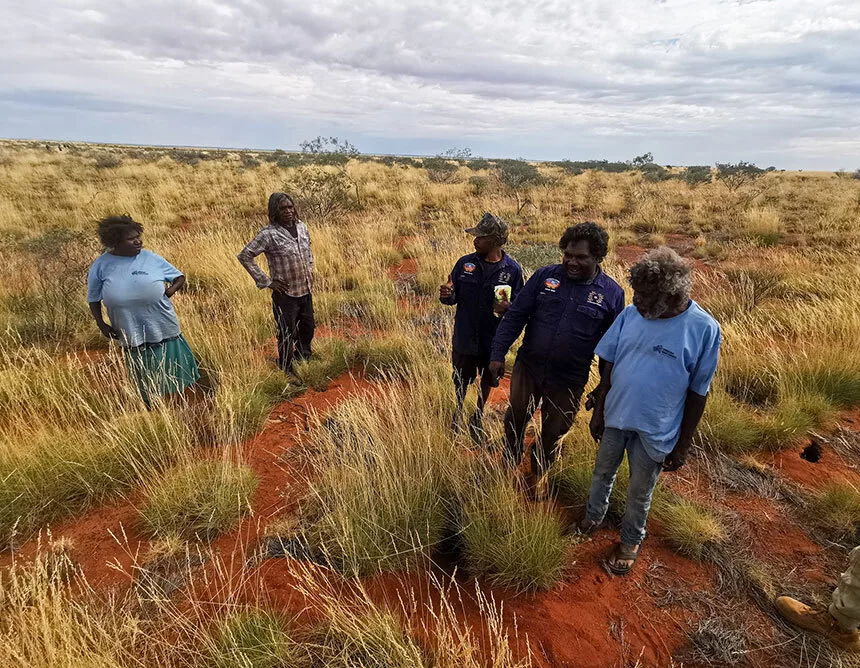
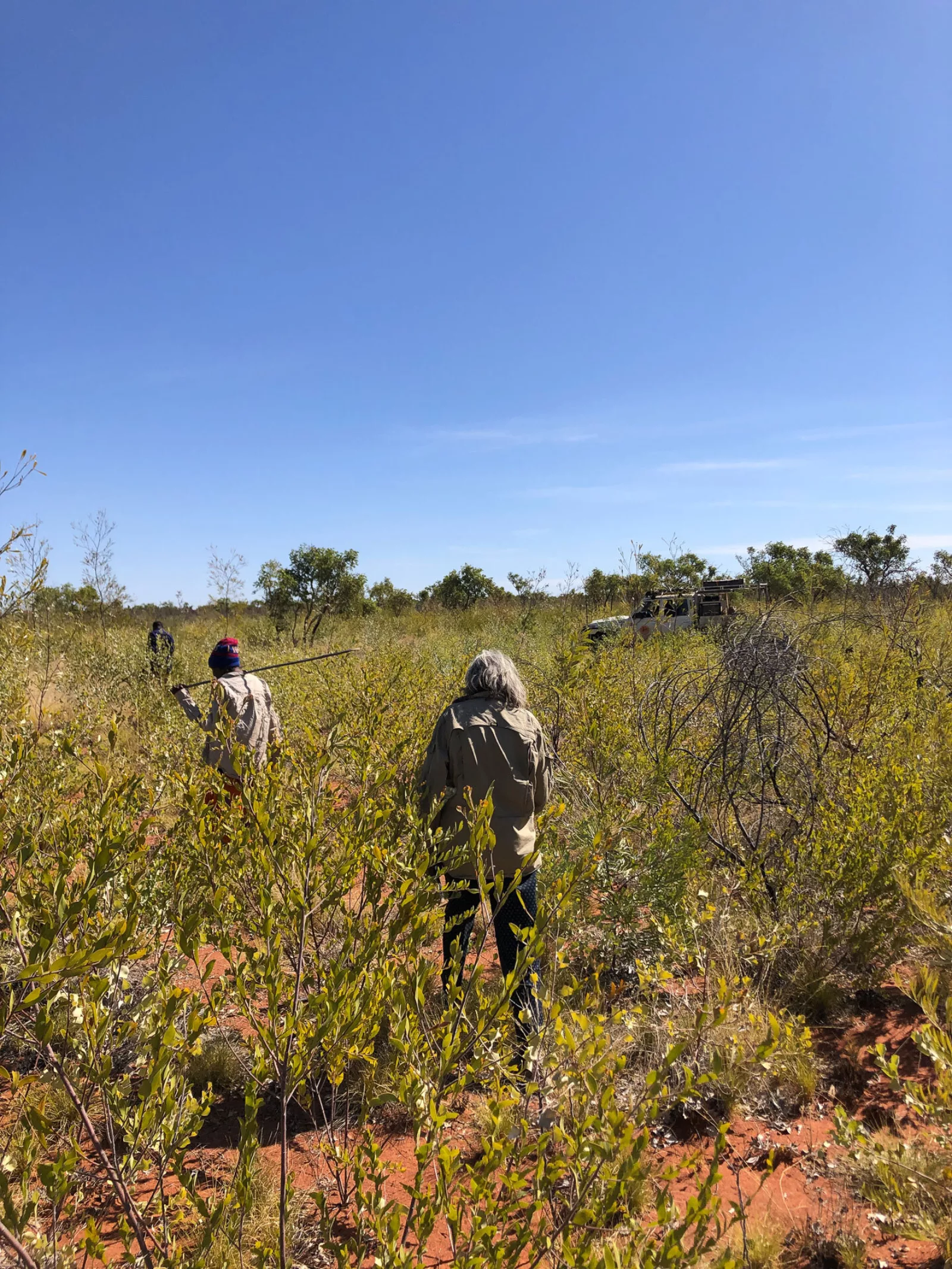
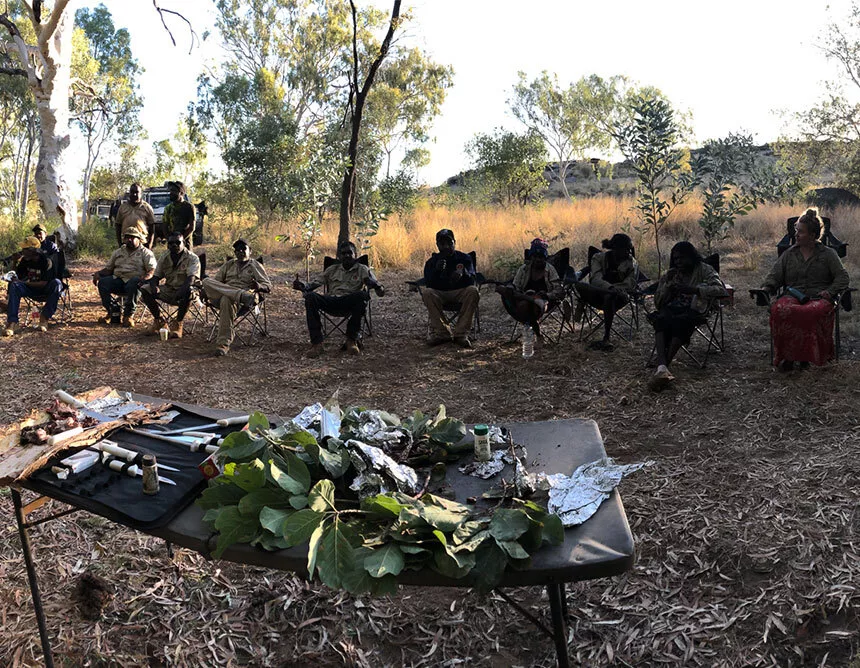
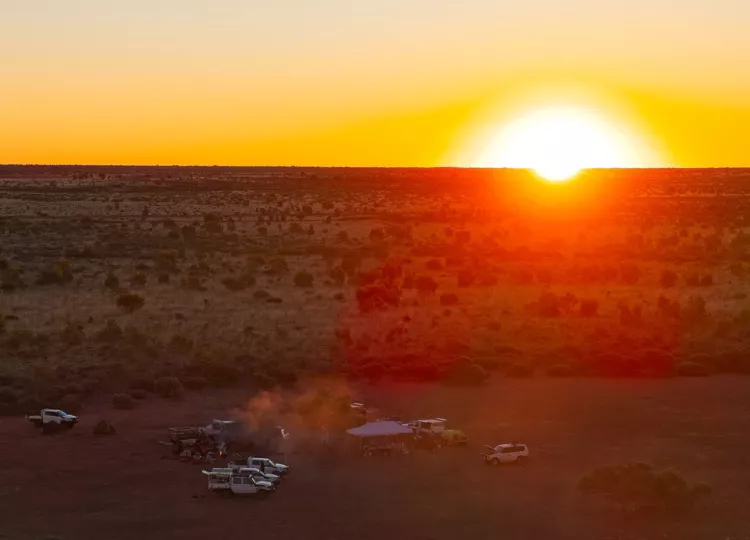
The Gooniyandi and Walungurru Rangers were able to learn from the Kiwirrkurra Rangers and Traditional Owners on Kiwirrkurra IPA about catching feral cats using a combination of reading the desert landscape, tracking on foot, and using motor vehicles not only as a means of covering more ground but also as a tool to encourage cats back towards those moving on foot.
The Kiwirrkurra Rangers felt happy to teach other ranger groups about the work they are doing to look after threatened species such as Ninu (Bilby) and teach them about their Tjukurrpa (dreaming stories) such as Tjitirurr which is Ninu dreaming.
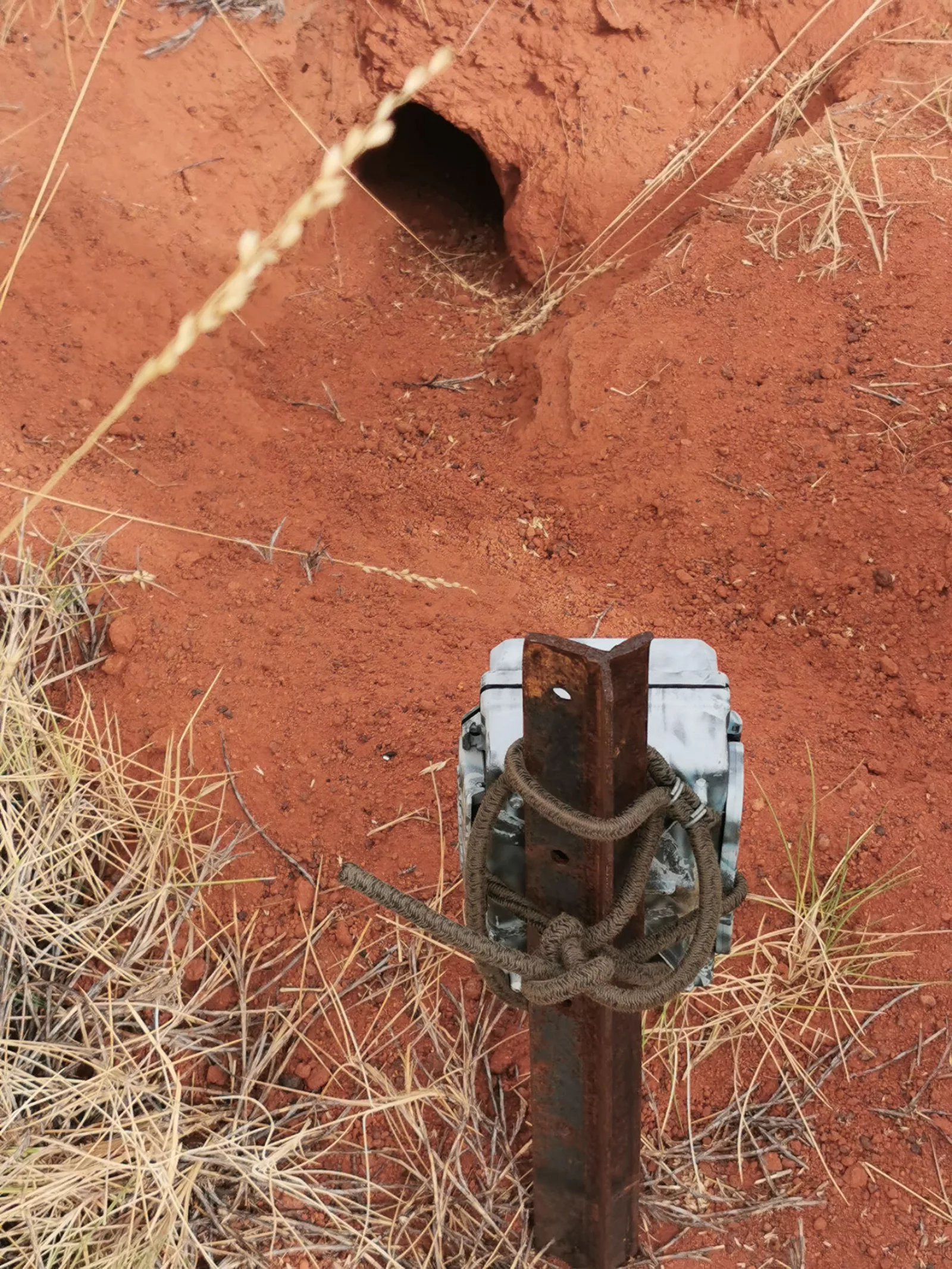
During the return journey, the Kiwirrkurra Rangers travelled to the Bawoorrooga Community in Gooniyandi Country. They were shown bilby burrows in a gravelly patchy area that bilbies would camp in during the wet seasons and found new burrows along the way. They were also showed different types of burrows in the same area, only to find out that these types of burrow are not found in Kiwirrkurra.
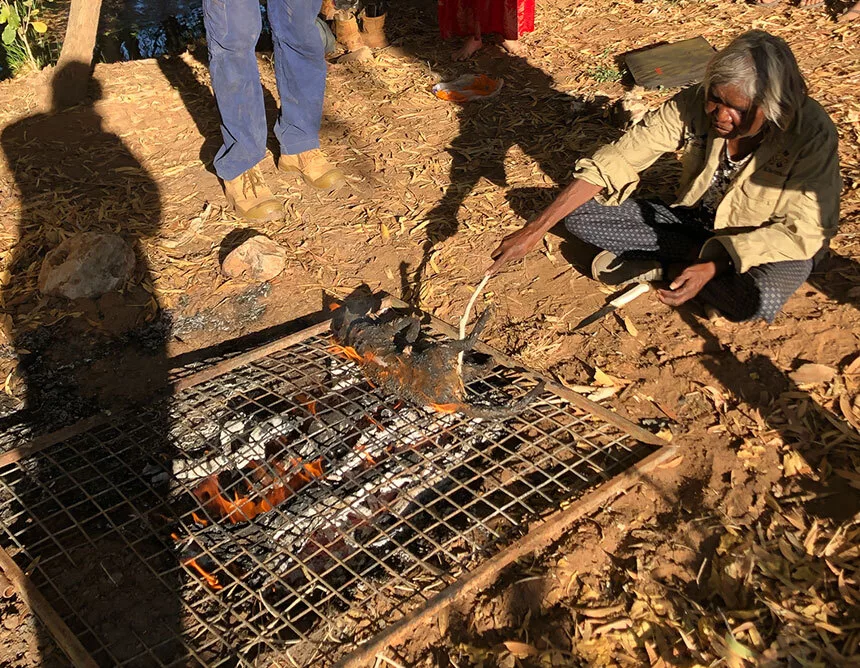
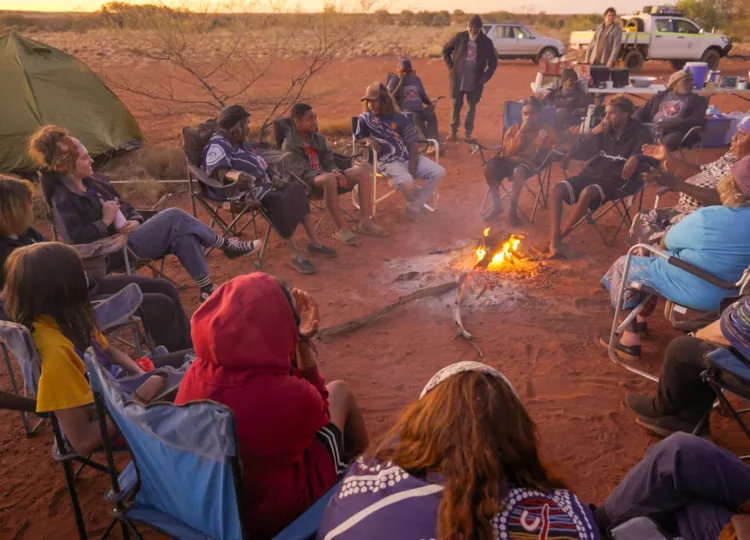
Although the cat hunt was unsuccessful during theirtime in Kiwirrkurra due to unseasonal cool weather, on this occasion, the Rangers were able to catch a cat that had been hanging around some of the Gooniyandi bilby sites. It was cooked up and shared with all at a special spring in the afternoon.
Everyone had an amazing time together. The mutual exchange of information and skills helped strengthen the relationship between the ranger groups and also helped protect threatened species.
Acknowledgements
This ranger exchange occurred on Pintupi Country and Gooniyandi Country. Thanks to the Traditional Owners of these lands for their welcome, guidance, instruction and support during this ranger exchange.
Further thanks to Kimberley Land Council, Desert Support Services, Central Land Council, and Yanunijarra Aboriginal Corporation for continued support for the Gooniyandi Rangers, Kiwirrkurra Rangers, Walungurru Rangers, and Ngurrara Rangers.
Additional thanks to Fitzroy Crossing District High School, Mimbi Caves tour.