
Registrations for the 2026 IDA Conference are now open.
 Kate Cranney
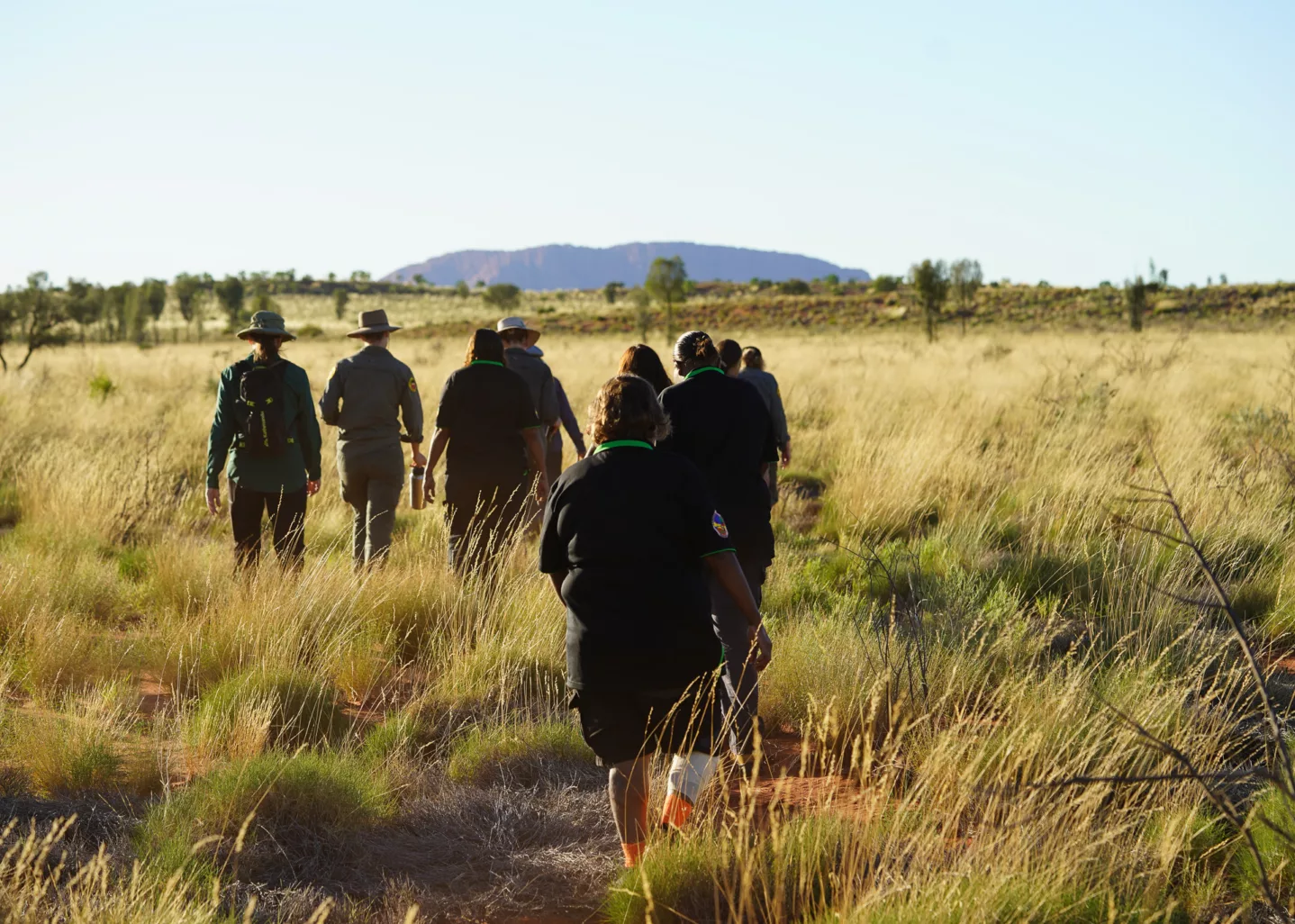
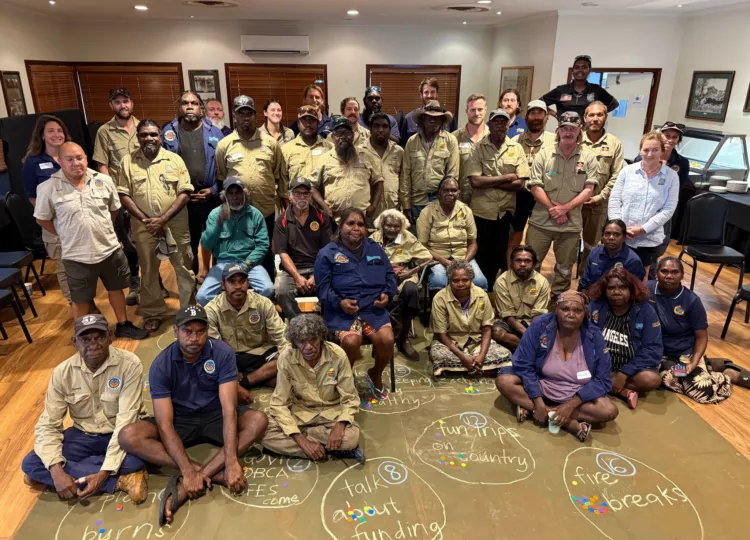
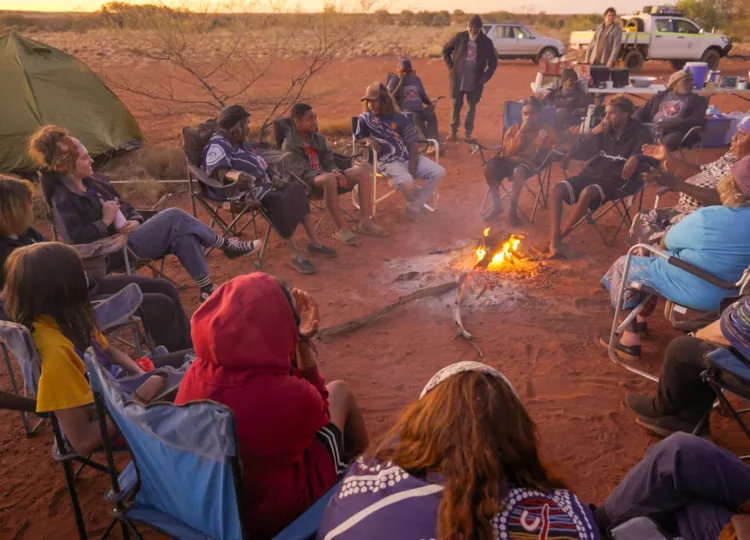
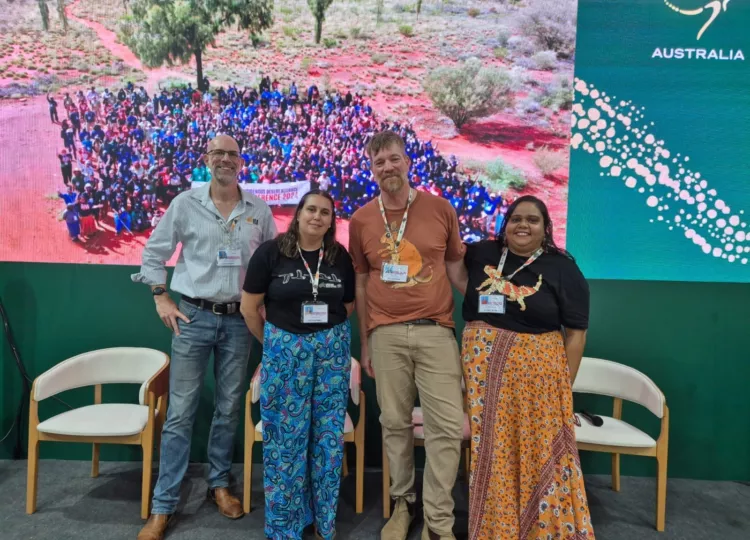
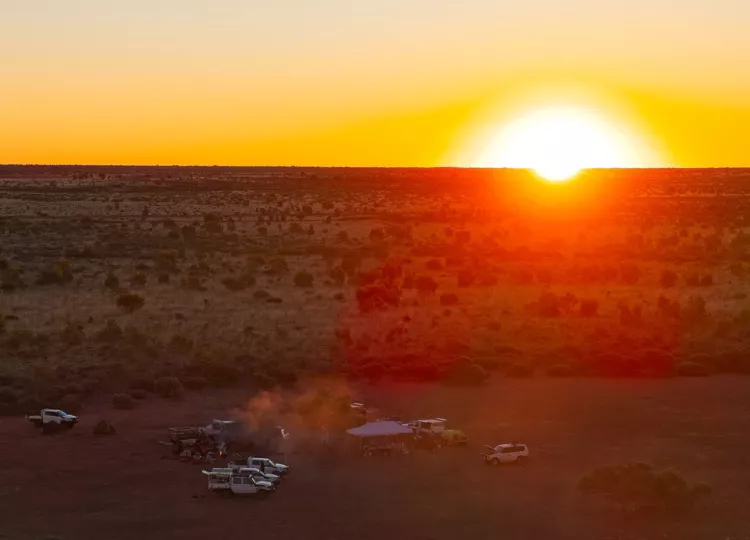
For the second year in a row, March saw Traditional Owners and Indigenous rangers from across the desert come together with scientists and land managers for the largest collaborative threatened species monitoring event in the Australian desert – Mulyamiji March.
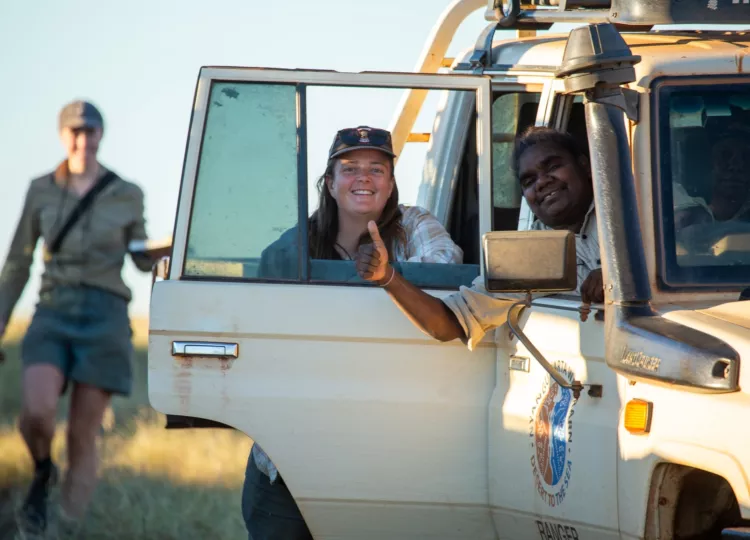
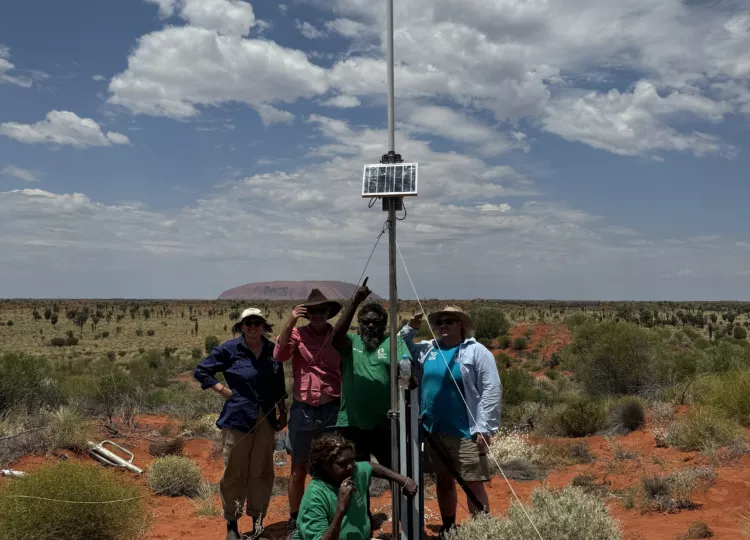
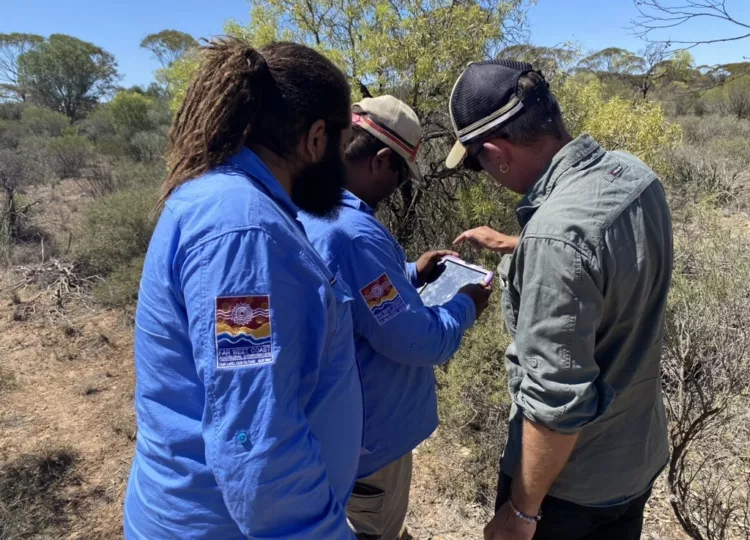
Combining their expert tracking skills and local knowledge with the latest and greatest in science, Indigenous rangers marched across the desert in search of the Great Desert Skink, also known as tjakura, mulyamiji, tjalapa, warrarna and nampu.
"They been looking after these tjakuras for a long time. That's why it's for us mob to look after it, and the young fellas."

The tjakura is a large orange skink, around the size of a blue-tongued lizard. They live in large communal family burrow systems with a communal toilet where the family deposit their scats.

Once widespread across the desert, but now threatened by the combined impacts of feral cat predation and wildfire, tjakura occur almost exclusively on Indigenous land, and have strong tjukurrpa (Dreaming songs, sites, stories) across the desert. They thrive in areas where Indigenous rangers conduct traditional burning and cat management.
"For tjakura it's a very important story through here, big tjukurrpa through here. People ate them at the time, when it was plentiful, everywhere, everywhere in the desert."


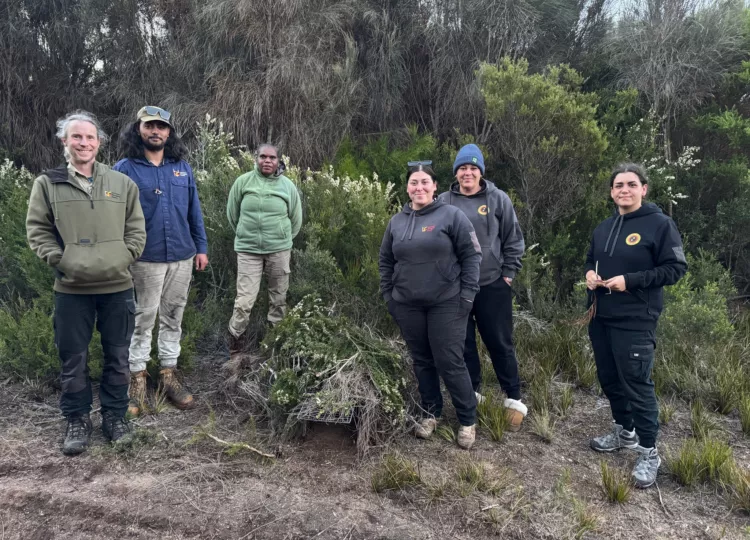
Even with lots of flooding through Country, making survey conditions less ideal, 13 ranger teams joined the march across the desert in search of tjakura. As the monitoring event grows, more ranger teams are joining the program. Tjuwanpa Women Rangers travelled to Uluru Kata-Tjuta National Park to connect up with Mala Rangers and learn the ropes of tjakura surveys, so they can do similar monitoring back on Arrernte country.
"I've learnt how to do the survey here, so I am planning to have my project in tracking and see what we can find in our area."
By implementing management actions from the new recovery plan and surveying these sites every year, rangers are hoping that they will see an increase in the national tjakura population over the next ten years.
Most active burrows:
Biggest effort/most sites surveyed:
Best school participation:
Best photo:
Best social media post:
Most improved:


The Indigenous Desert Alliance (IDA) is coordinating the implementation of priority actions in the Great Desert Skink Recovery Plan with support from the Australian Government's Saving Native Species Program and NESP Resilient Landscapes Hub. NESP is supported through funding from the Australian Government's National Environmental Science Program. The IDA gives special thanks to the 15 Indigenous Ranger Programs who contributed their expert skills and knowledge to Mulyamiji March in 2024.
 Read
Story
Read
Story
 Read
Story
Read
Story
 Read
Story
Read
Story
 Read
Story
Read
Story
 Read
Story
Read
Story
 Read
Story
Read
Story
 Read
Story
Read
Story
 Read
Story
Read
Story
 Read
Story
Read
Story
 Read
Story
Read
Story
 Read
Story
Read
Story
 Read
Story
Read
Story
 Read
Story
Read
Story
 Read
Story
Read
Story
 Read
Story
Read
Story
 Read
Story
Read
Story
 Read
Story
Read
Story
 Read
Story
Read
Story
 Read
Story
Read
Story
 Read
Story
Read
Story

Warning: Aboriginal and/or Torres Strait Islander peoples should be aware that this website may contain images, voices and names of people who have passed away which may cause sadness or distress.