New Yapa training program will spread tracking knowledge
5 minute read
This article is republished from Central Land Council's Land Rights News.

Registrations for the 2026 IDA Conference are now open.
5 minute read
This article is republished from Central Land Council's Land Rights News.
Expert trackers are ready to share their animal tracking knowledge with Aboriginal people across the desert.
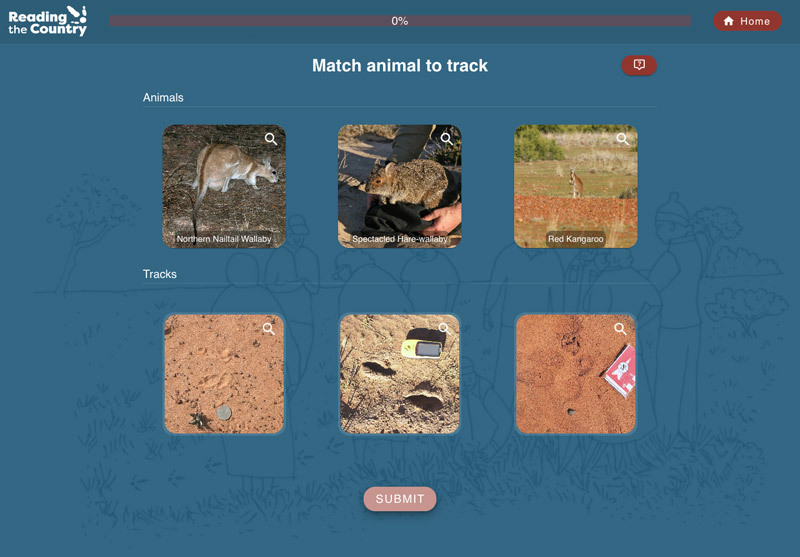
The ‘two-way’ learning resources kuyu pungu (Warlpiri for expert trackers) developed with the Central Land Council use traditional and modern ways of teaching about native animals, their stories, songs and tracks. Ready to be launched at the CLC’s annual ranger camp in April, the Yitaki Mani (Reading the Country) project’s bilingual teaching materials are the result of a three-year pilot that concluded last year. With less time for tracking and fewer kuyu pungu to learn from, elders asked the CLC to help them record and pass on their ancient knowledge to future generations before it is too late.
One of the main contributors to Yitaki Mani is Jerry Jangala Patrick, one of the few Yapa who grew up living off the land. The 83-year-old respected elder from Lajamanu developed the Jangala Method to fast-track learning and has been invited to demonstrate it at the ranger camp this week.
"Try to learn young people in a new way. Little bit new way, little bit old way, so they learn more."
The Yitaki Mani materials consist of 11 activities and resources, such as work sheets, quizzes and ‘mind maps’. Tracking workshops with kuyu pungu are a crucial part of the teaching style. The Newhaven Wildlife Sanctuary, a former cattle station 350 kilometres northwest of Alice Springs, has hosted these workshops twice. Kuyu pungu say this country is really healthy since it was de-stocked and cleared of feral foxes, dogs and cats. It is again home to native animals such as bettongs and mala (rufous-hare wallabies) which many elders haven't seen since they were young.
Mother-and-daughter kuyu pungu team from Nyirrpi, Alice Henwood and Christine Ellis Michaels hunted and killed feral cats both inside and outside the sanctuary’s fenced enclosure. Once the cats were gone, the sanctuary released endangered species like warlpatjirri (bilbies) and pakuru (golden bandicoots) inside.
Ms Ellis Michaels learned tracking from her parents when she was just eight years old. She has been a ranger since she was 17 years old and working with the CLC's Warlpiri ranger team since 2007. One of her favourite things is to go out bush and teach her own kids and other rangers to track.
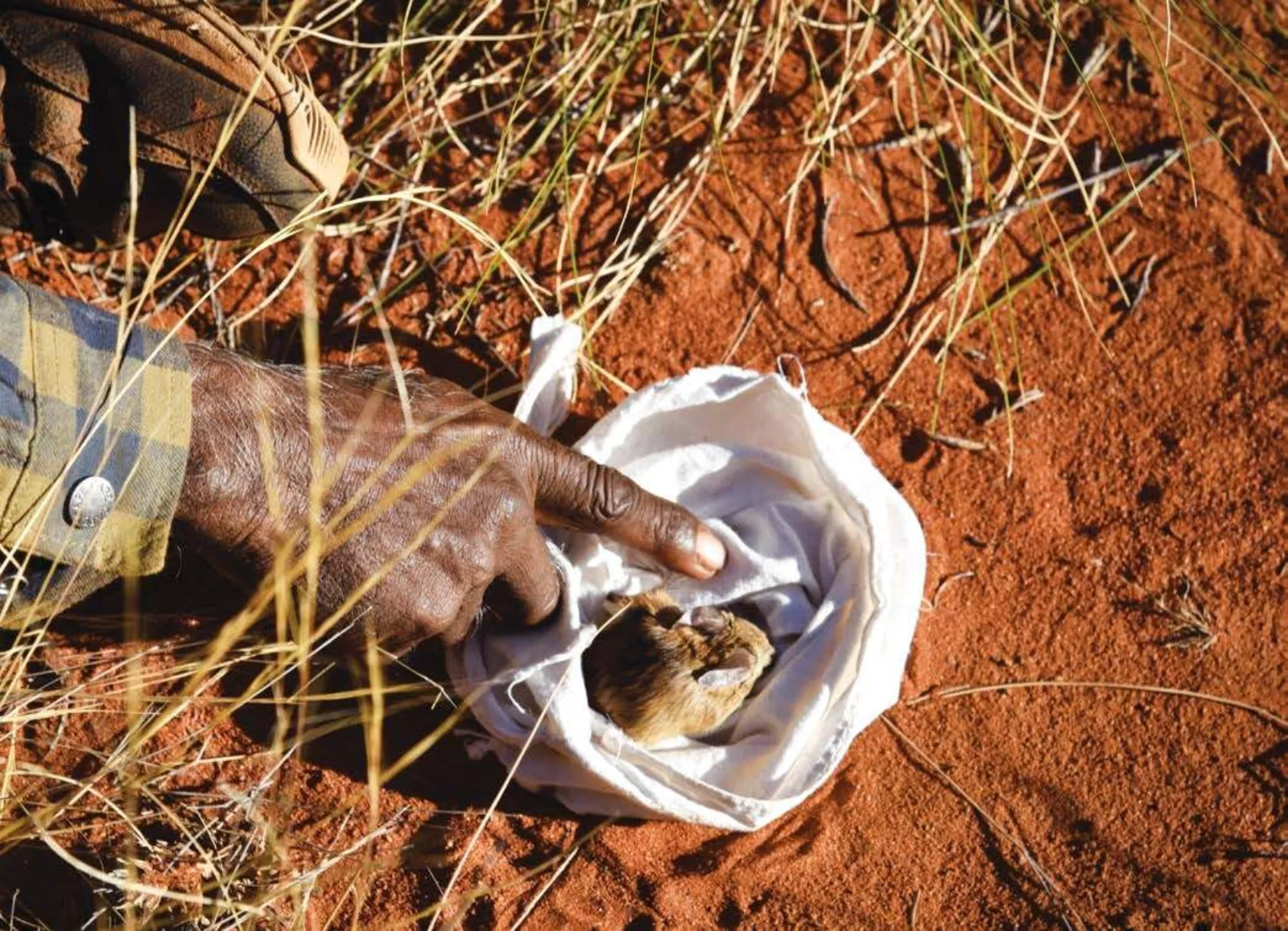
"It's really important so we can pass it to those people so they can learn more about it."
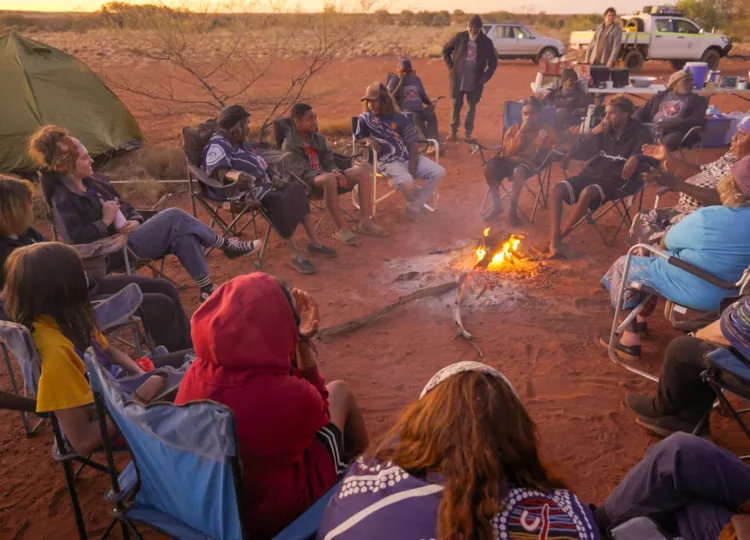
In August, elders and Walungurru Rangers from Kintore joined Ms Ellis Michaels and other Warlpiri Rangers at a workshop in Newhaven for the first time. It was still cool when the group drove to the sanctuary for an early-morning tracking session. Animal tracks criss-cross the sanctuary, making it an ideal place to learn.
Warrana (great desert skink) and jajina (mulgara) tracks and burrows are plentiful. Mala and purdaya (burrowing bettong) aren't found anywhere else. Listening carefully to Ms Henwood and Jangala, the rangers filled out work sheets. They drew pictures of animal tracks and burrows, and answered questions about its food or kuna (poo).
The rangers learned to read when a track was made and to observe the country as well as the weather. Knowing from where the wind has been blowing helps identify a track. Young Walungurru ranger Moses Rowe smiled as he talked about seeing a mala track for the first time.

"I feel happy, real good, learn more about tracking. It's important for me to learn from elders. I want young people to work with us and learn more."
"They learn from us Warlpiri people and they have to take it back to Kintore," Ms Ellis Michaels said. "It makes me proud to pass on this knowledge."
Warlpiri ranger of 15 years, Nelson Tex from Yuendumu, has been part of the project from the beginning. He has been tracking since he was a kid, and his favourite food is snake. Even though he now teaches his own children to hunt goanna, bush turkey and kangaroo he still thinks of himself as a learner. "The tracking program for me is really good. I want to keep on learning," he said. "I teach my kids and the young rangers how to hunt, cook and share. All the young people and the kids. Some of the people here, they don't know how to hunt and cook. Look like they are lost. Bush food is better. It's free."

"This project is helping everybody, rangers and young people. Teaching us how to hunt, what to kill. Now the new generation are living on white man food. Need to go out bush tracking."
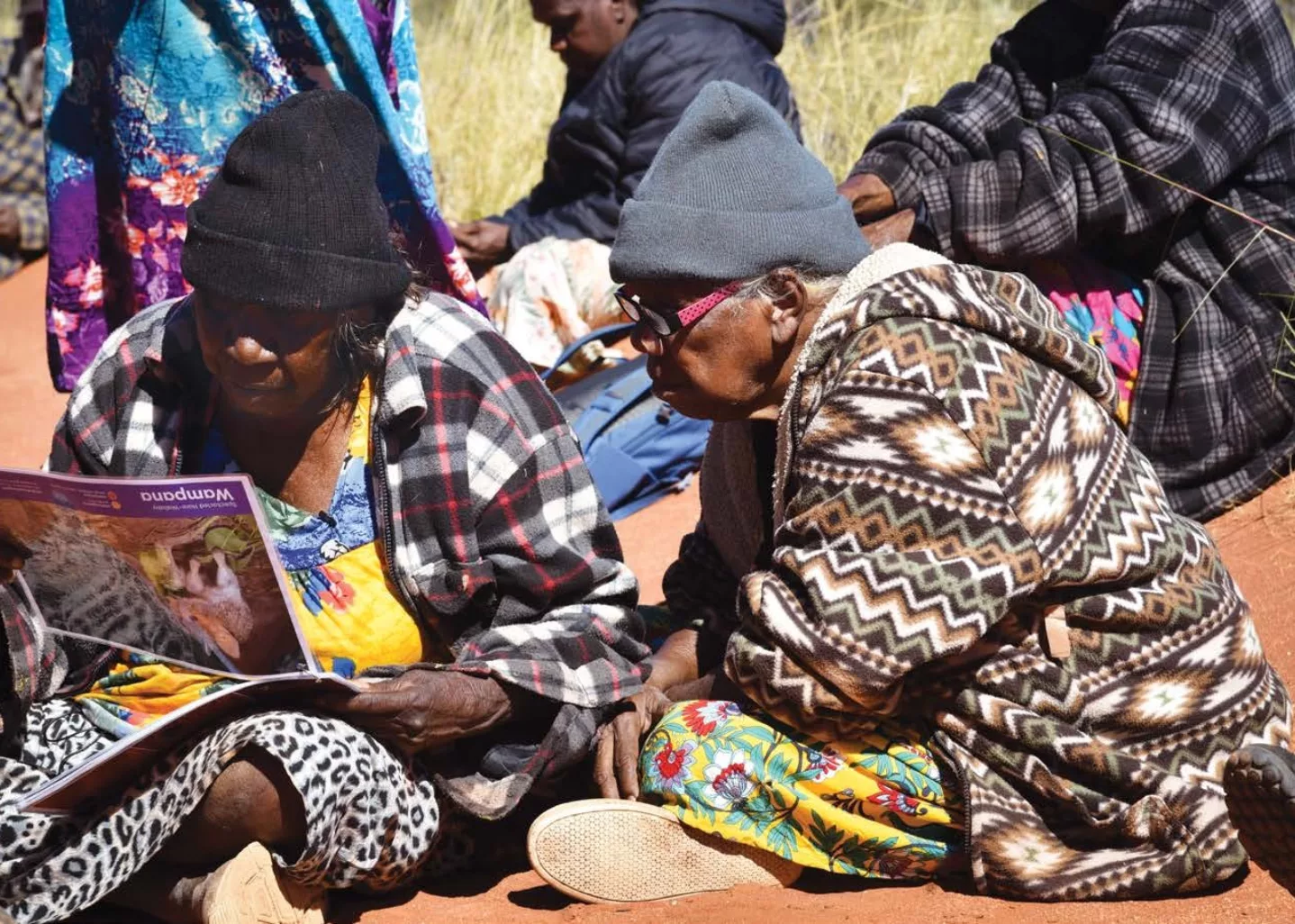

"We want to keep on going, teaching our young people. We want to keep our culture strong."
One of the project's aims is to encourage medium-level trackers to learn the deep knowledge and become a kuyu pungu. Yapa teaching yapa. After the tracking session, Jerry Jangala asked the rangers what they saw. If they didn't answer with the animal's Warlpiri name, he asked them questions and gave them clues. Then he asked how the animal got its name in the jukurrpa (dreaming) and told its story or sang its song.
Jangala fears this ancient knowledge could be lost as young people live in both the Yapa and Kardiya (non-Aboriginal) worlds. For it to survive Yitaki Mani's teaching materials also need to be adapted and used by other people across the desert. Warlpiri schools are already using the Warlpiri and English resources. The Indigenous Desert Alliance, a major funder of the project, plans to share them with communities and ranger groups across the desert and help them to translate them into their own languages.
Kuyu pungu Enid Nangala Gallagher, also from Yuendumu, has also been part of the project from the start, "interpreting and talking to elders to be on the team, working with young rangers and talking to them about what work they do and teach them about tracking."
Back at the campsite she guided the group to recall and repeat what they had learned "all together in one".
Central Land Council, based in Alice Springs, manages a ranger network across Central Australia.
Website Read
Story
Read
Story
 Read
Story
Read
Story
 Read
Story
Read
Story
 Read
Story
Read
Story
 Read
Story
Read
Story
 Read
Story
Read
Story
 Read
Story
Read
Story
 Read
Story
Read
Story
 Read
Story
Read
Story
 Read
Story
Read
Story
 Read
Story
Read
Story
 Read
Story
Read
Story
 Read
Story
Read
Story
 Read
Story
Read
Story
 Read
Story
Read
Story
 Read
Story
Read
Story
 Read
Story
Read
Story
 Read
Story
Read
Story
 Read
Story
Read
Story
 Read
Story
Read
Story

Warning: Aboriginal and/or Torres Strait Islander peoples should be aware that this website may contain images, voices and names of people who have passed away which may cause sadness or distress.