Protecting ninu from the sky: aerial baiting in Kiwirrkurra
3 minute read

Registrations for the 2026 IDA Conference are now open.
3 minute read
Bilby populations on Kiwirrkurra IPA are well looked after, with Kiwirrkurra rangers looking after country, hunting cats, and conducting right way fire. One of the populations they care for occurs across 40,000 hectares of remote bilby habitat at Marruwa to the west of Lake Mackay – here, the rangers recently conducted aerial baiting for the first time, deploying 20,000 baits to control feral predators in the area.
The rangers chose this area for baiting because it’s too far from community to manage cats with traditional hunting, and there are naturally not many dingoes in the area due to the lack of permanent water sources.
“Too much pussycat here, walking around for ninu, killing them.”
3000 baits are loaded into the chopper for each flight – from a height of about 45 metres baits are thrown from the back seat, while a bilby spotter sits up front, mapping the bilby diggings and burrows. Kiwirrkurra rangers are expert trackers and can easily pick up signs of bilby from the air. Using this method of surveying, the rangers will be able to see how the bilby population changes over the three year project. It is also the most comprehensive survey method, and the only way to thoroughly cover the full 20km by 20km baiting area.
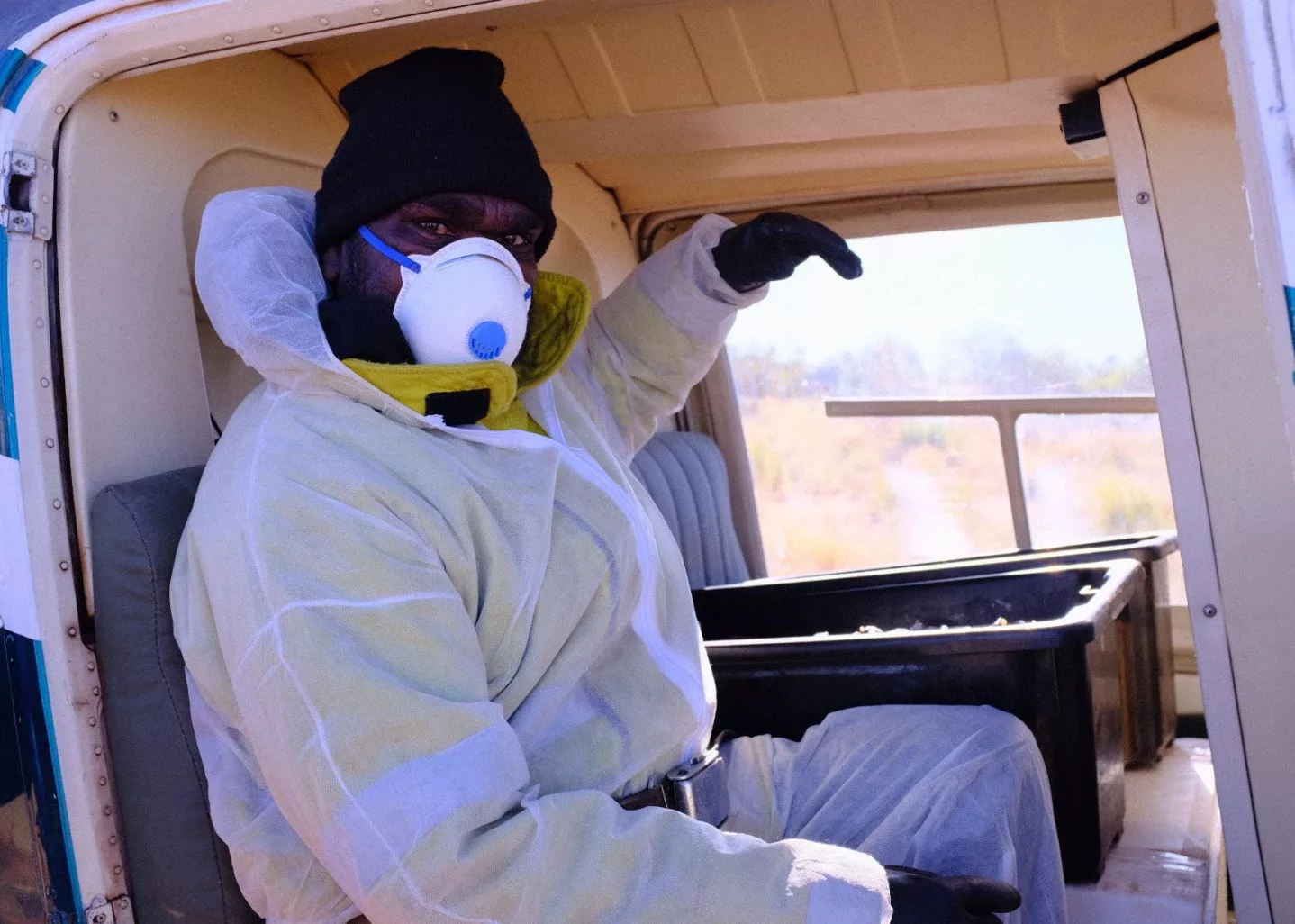
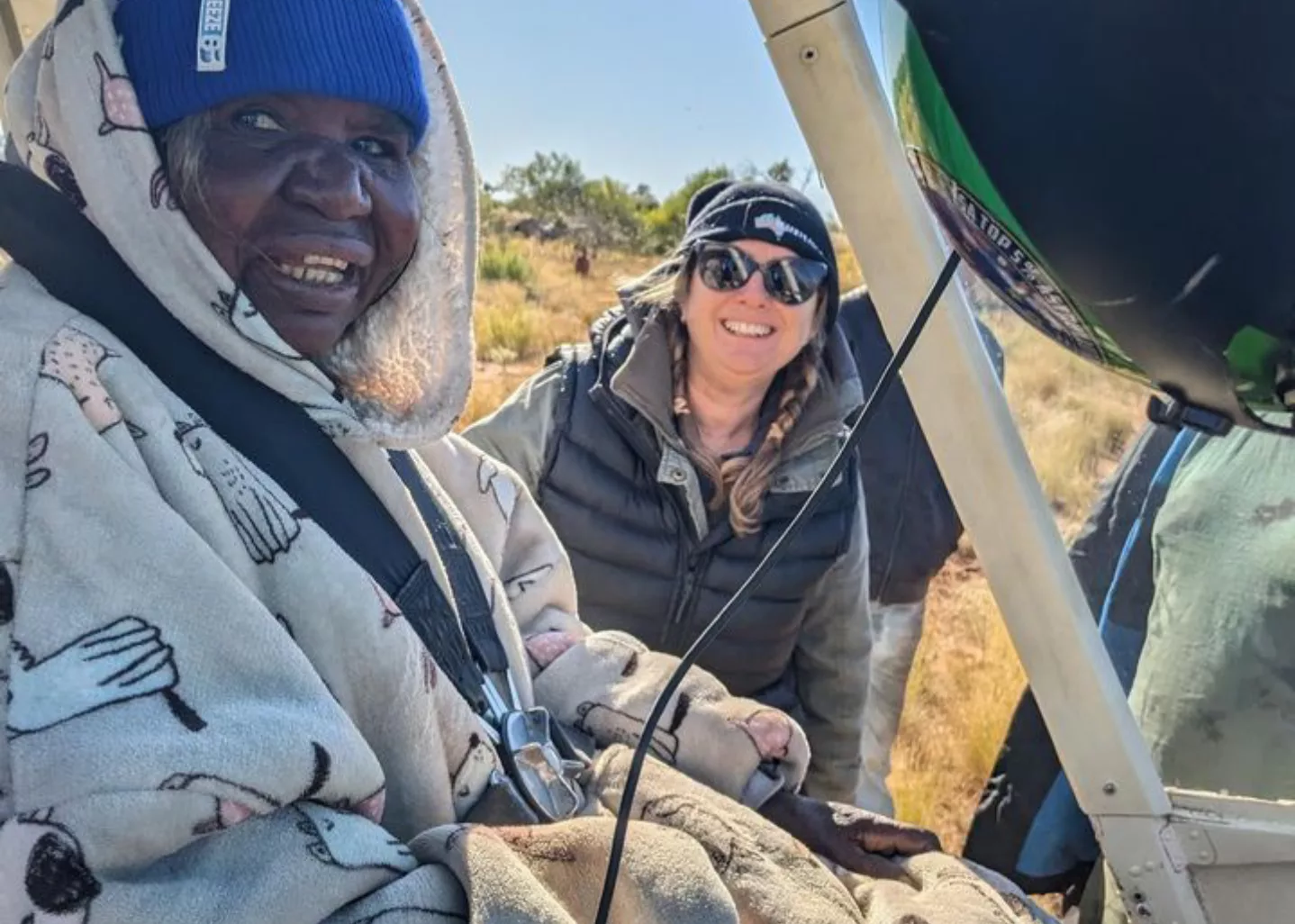
“Marruwa good now, poison sausage, pussycat and fox die."
While at Marruwa, the rangers also went around to the camera traps set up at bilby burrows and along roads and sandhills, and downloaded the photos captured over the last two months. Back at Kiwirrkurra, while doing some bilby scat collection, rangers found evidence of a bilby family with young ones, and Nolia spotted tracks where a cat had pounced on Ninu and dragged it along before eating it.
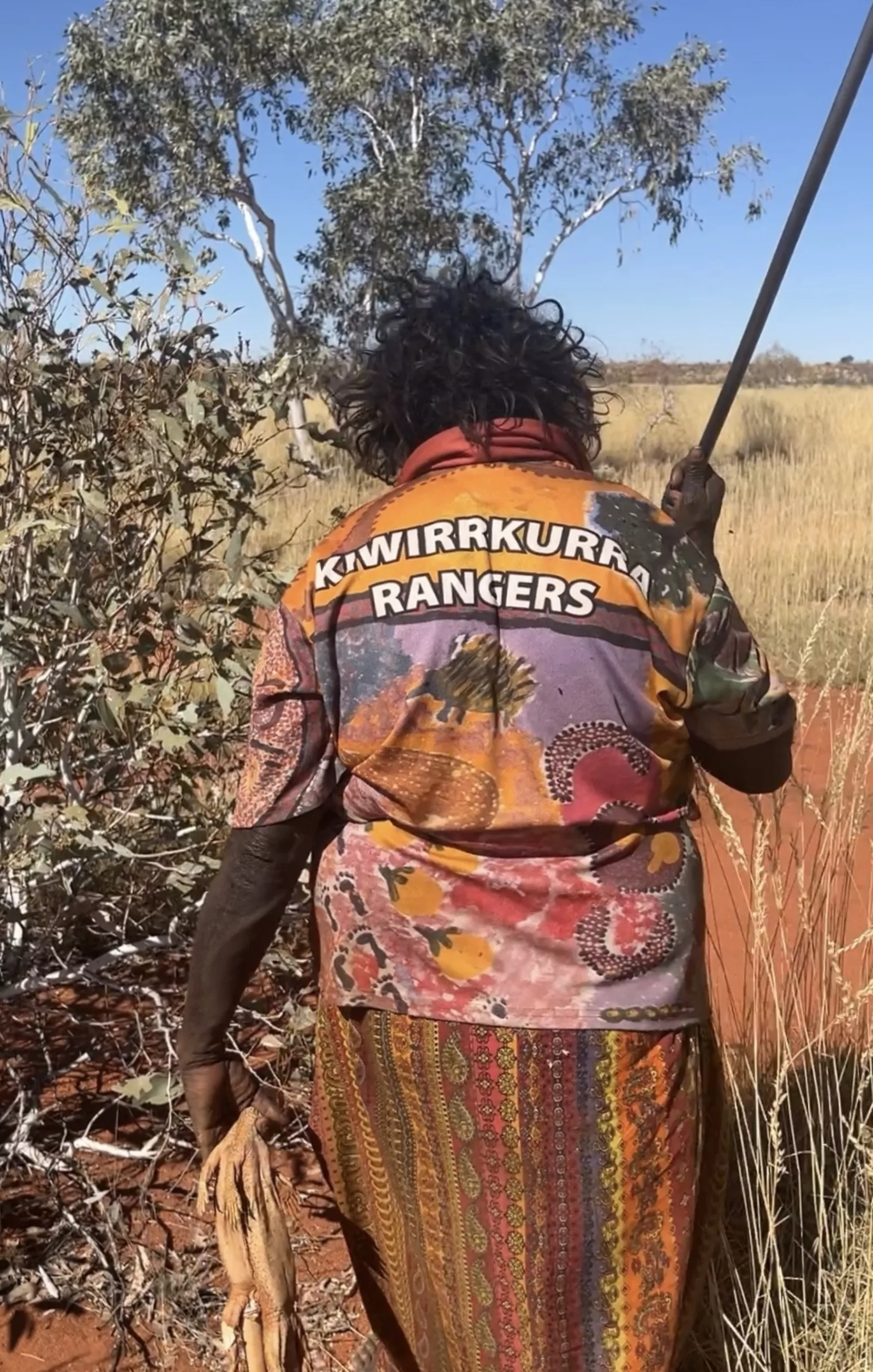
“Pussycat dragging something, might be ninu, follow it! Pussycat eating ninu here. Eating the whole lot!”
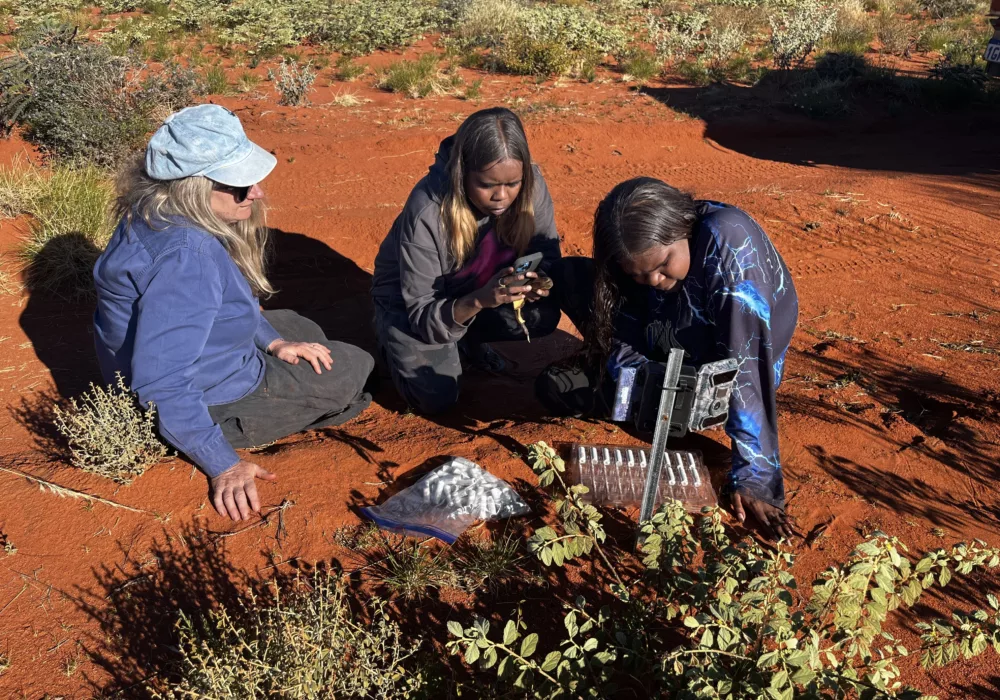
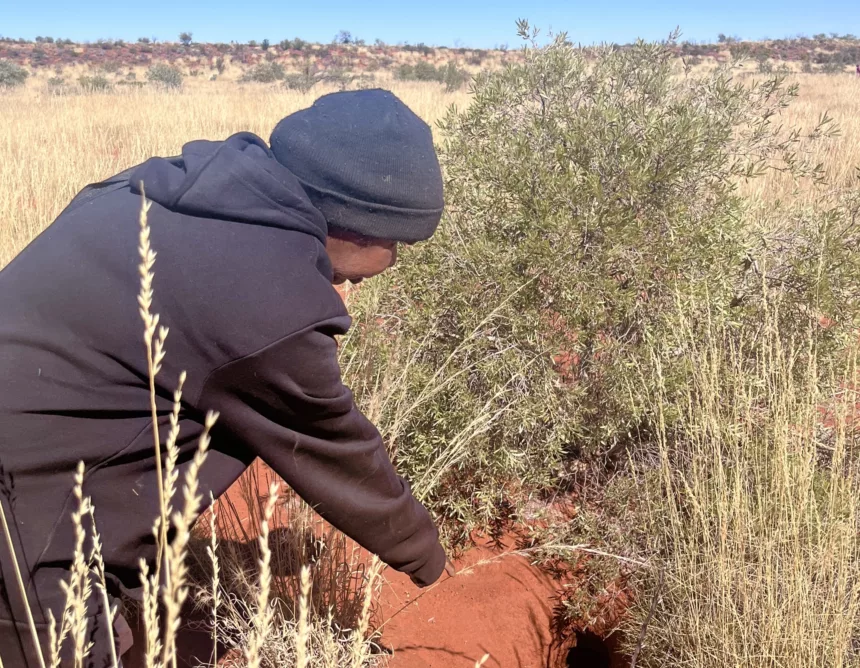
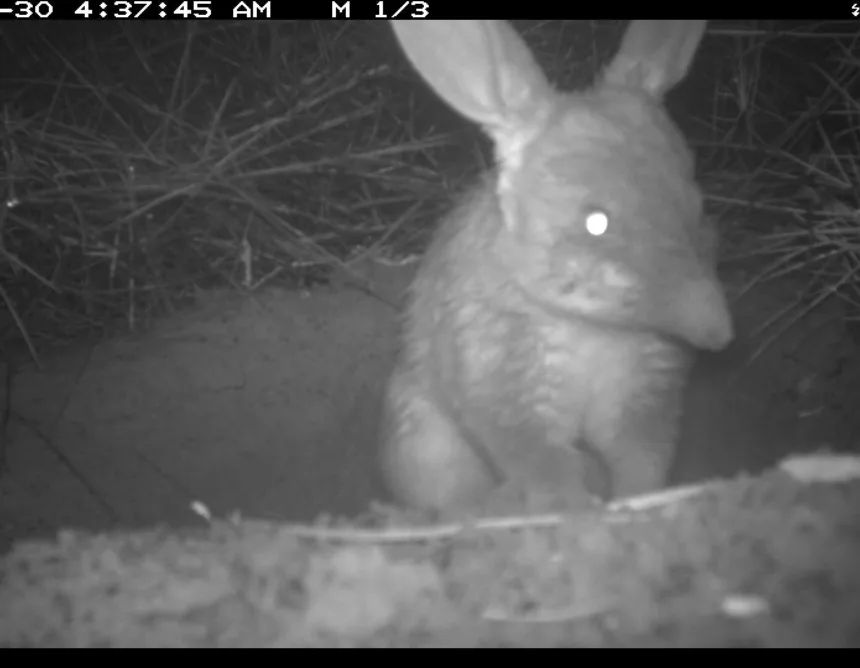
Over the three year trial, rangers will continue to monitor the impacts of the aerial baiting at Marruwa by using camera traps in baited and unbaited areas, and combining their aerial survey data with bilby scat DNA results.
Kiwirrkurra Rangers received funding from the WA Feral Cat Grants to support the aerial baiting, and from the Australian Government under the National Environmental Science Program’s Resilient Landscapes Hub to conduct the monitoring.
“Kuunyi (poor thing). But at Marruwa ninu walking around free now.”
Tjamu Tjamu Aboriginal Corporation manages the Kiwirrkurra Indigenous Protected Area over the entirety of their native title determination. The Kiwirrkurra Rangers men's and women's team have a strong focus on using traditional knowledge on country and working with Western scientists to bring both practices together.
Website Read
Story
Read
Story
 Read
Story
Read
Story
 Read
Story
Read
Story
 Read
Story
Read
Story
 Read
Story
Read
Story
 Read
Story
Read
Story
 Read
Story
Read
Story
 Read
Story
Read
Story
 Read
Story
Read
Story
 Read
Story
Read
Story
 Read
Story
Read
Story
 Read
Story
Read
Story
 Read
Story
Read
Story
 Read
Story
Read
Story
 Read
Story
Read
Story
 Read
Story
Read
Story
 Read
Story
Read
Story
 Read
Story
Read
Story
 Read
Story
Read
Story
 Read
Story
Read
Story

Warning: Aboriginal and/or Torres Strait Islander peoples should be aware that this website may contain images, voices and names of people who have passed away which may cause sadness or distress.