Wildu minaka: Eagle eye drone training
2 minute read

Registrations for the 2026 IDA Conference are now open.
2 minute read
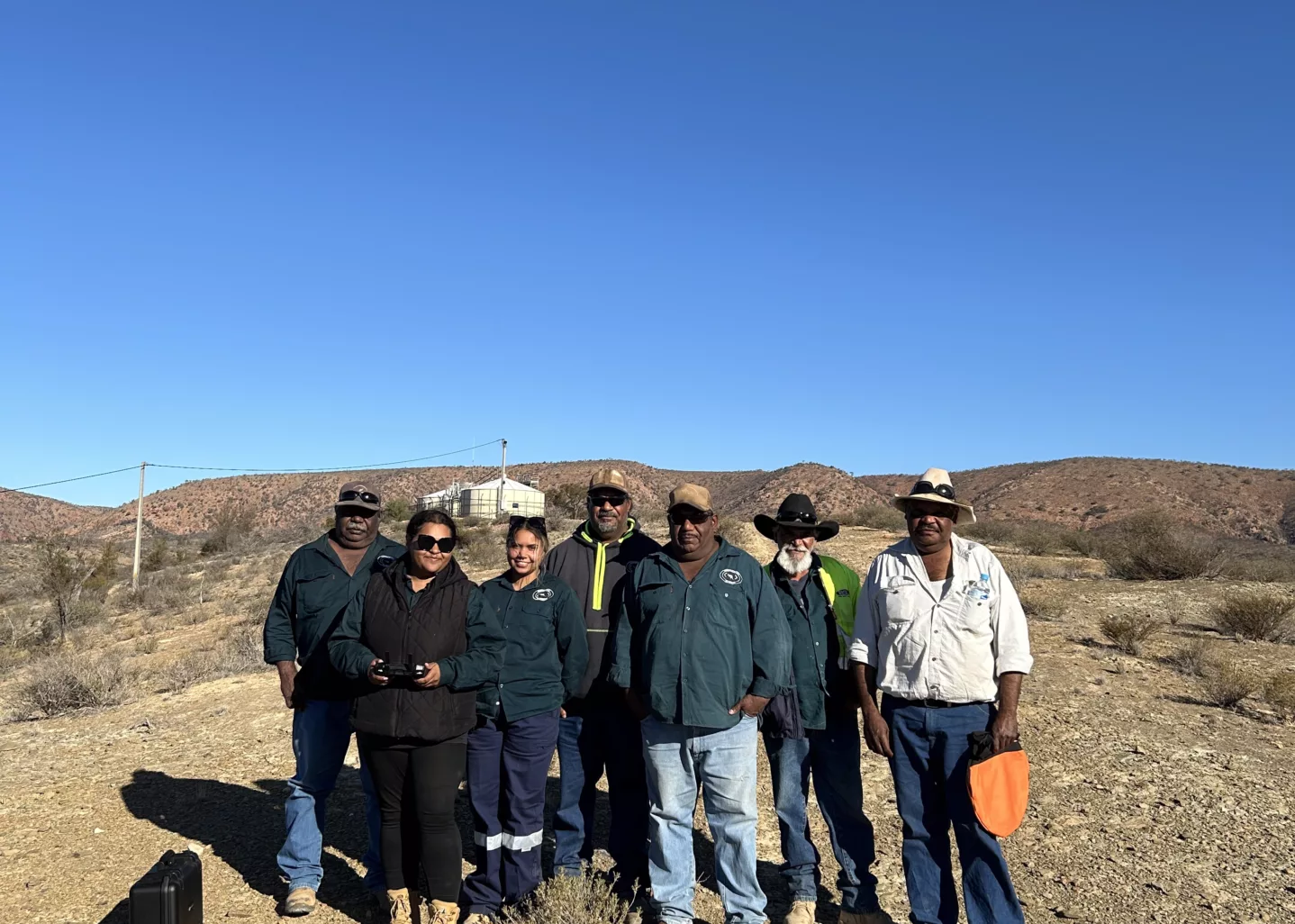
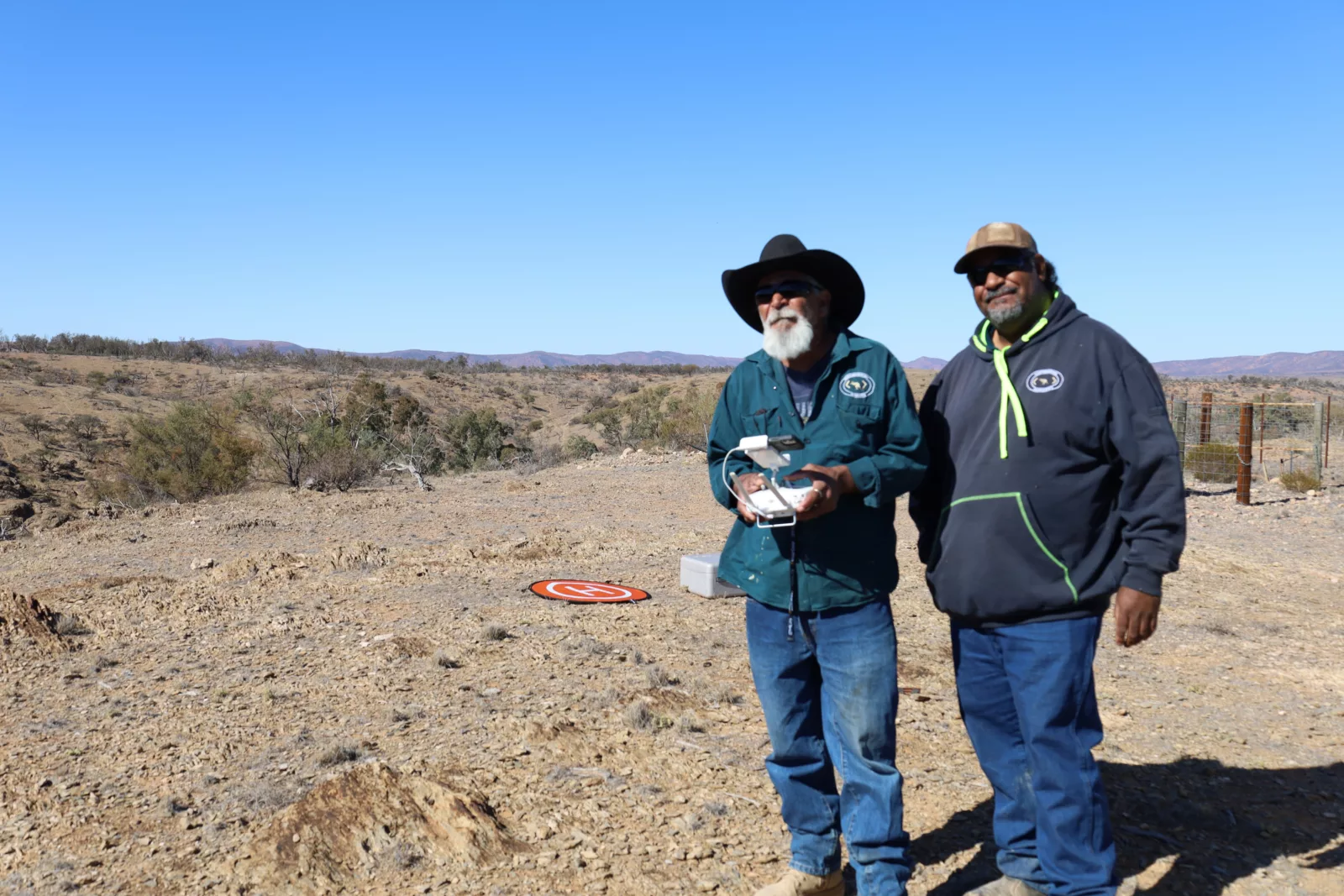
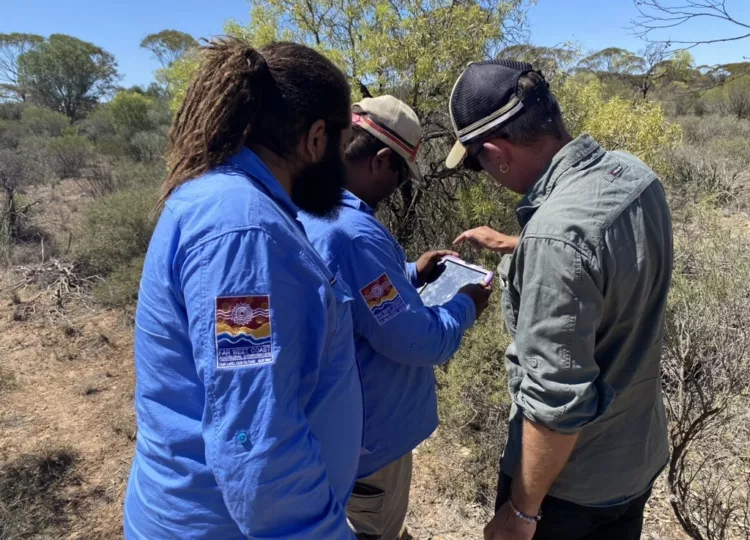
Nantawarrina rangers spent some time this year learning how to use drones, to make some of their work on country easier.
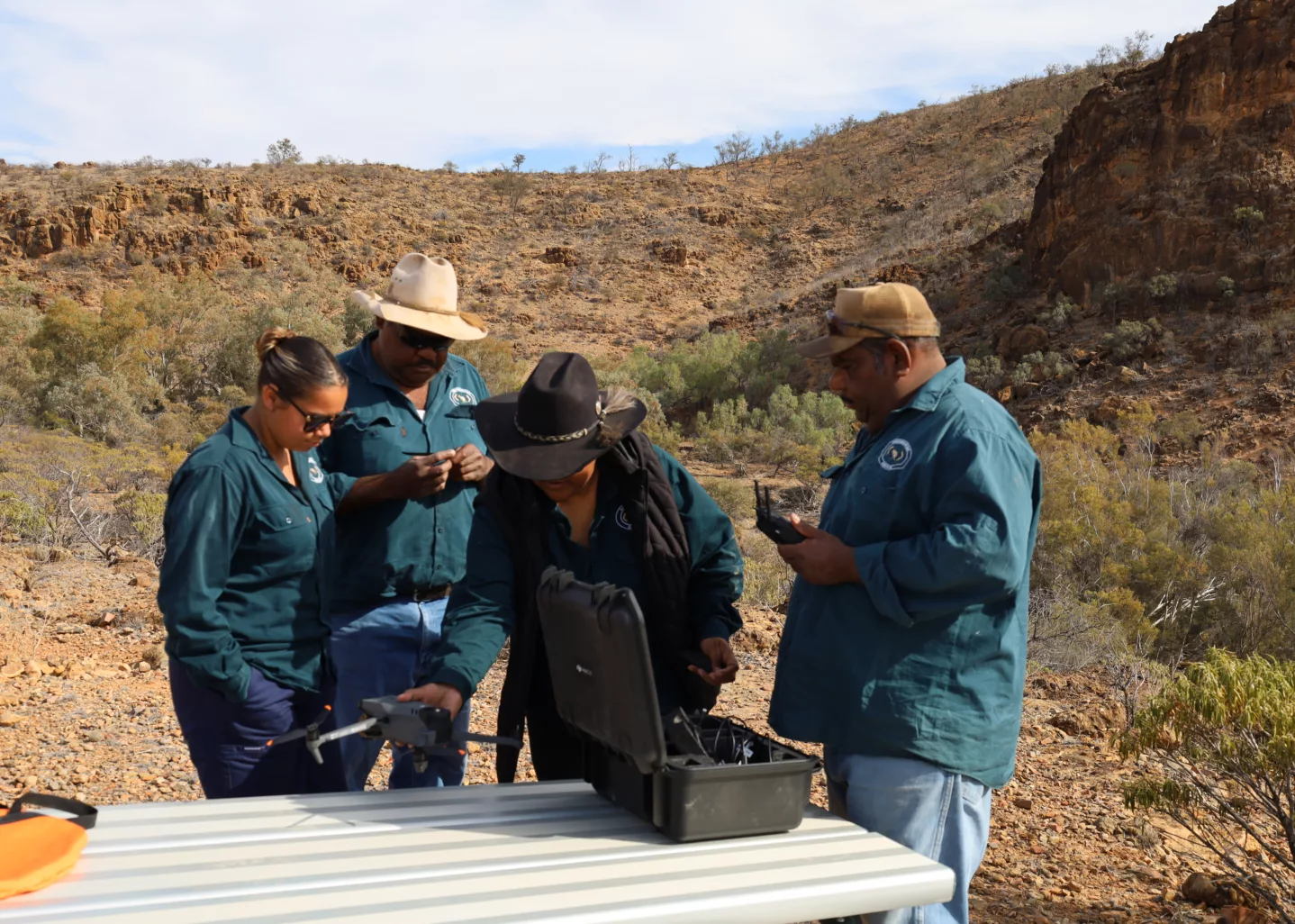
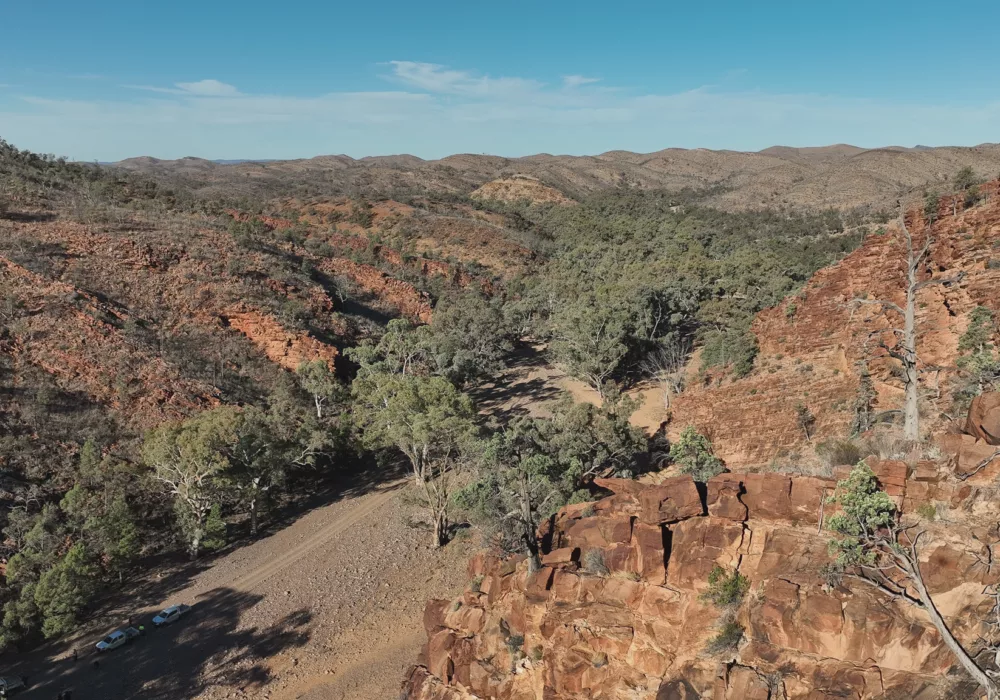
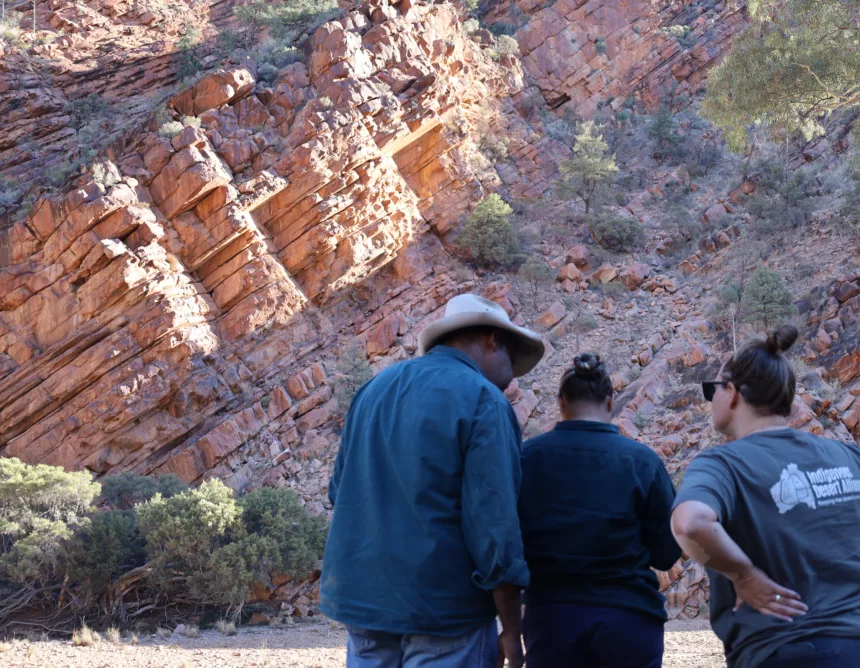
700kms north of Adelaide, the rangers work on Nantawarrina IPA in Adnyamathanha Country. It's not easy country to get around on foot – dust layered scrub gives way to rocky tree-lined gorges and mountain ranges that the rangers care for.
 Nantawarrina Rangers
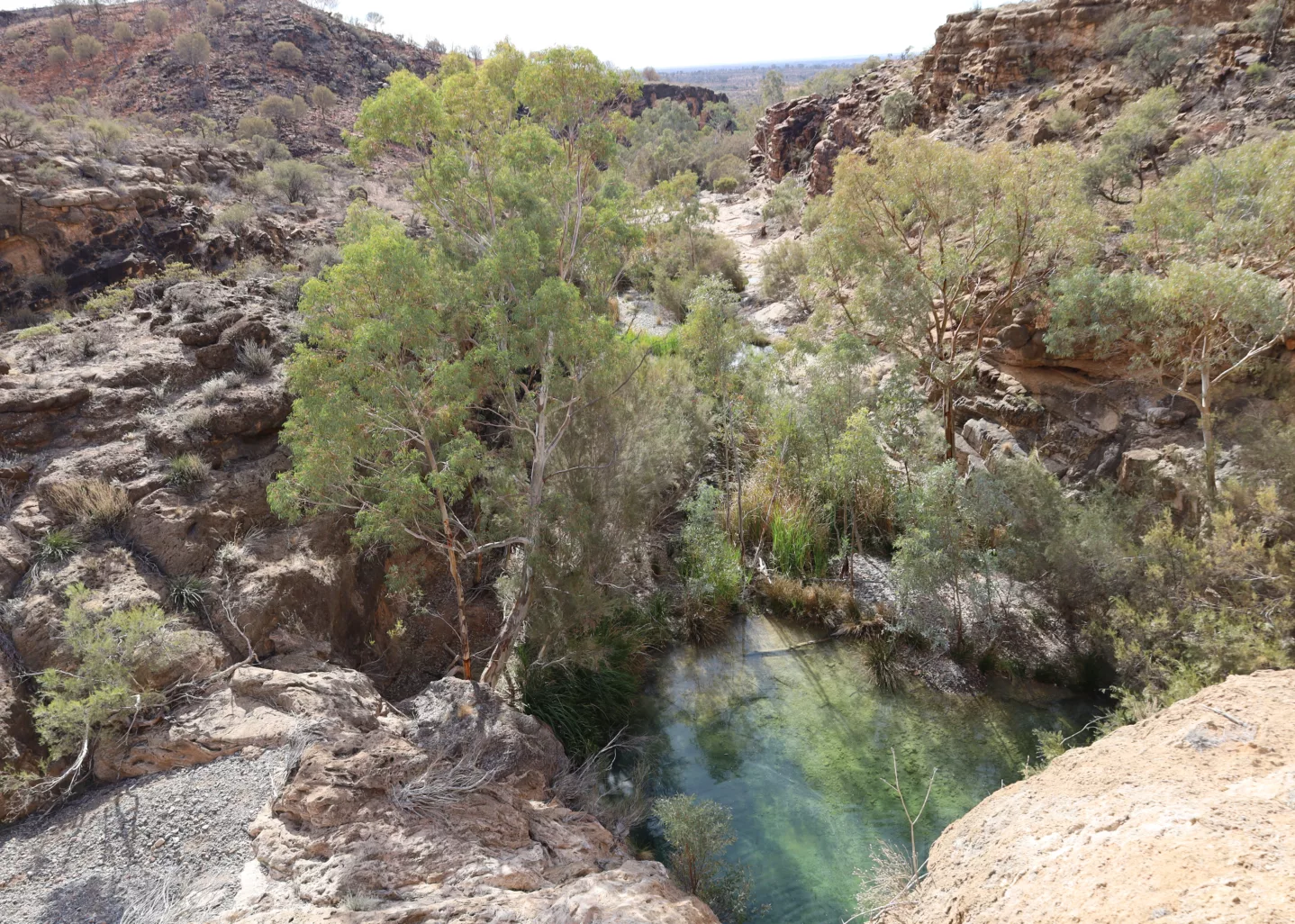
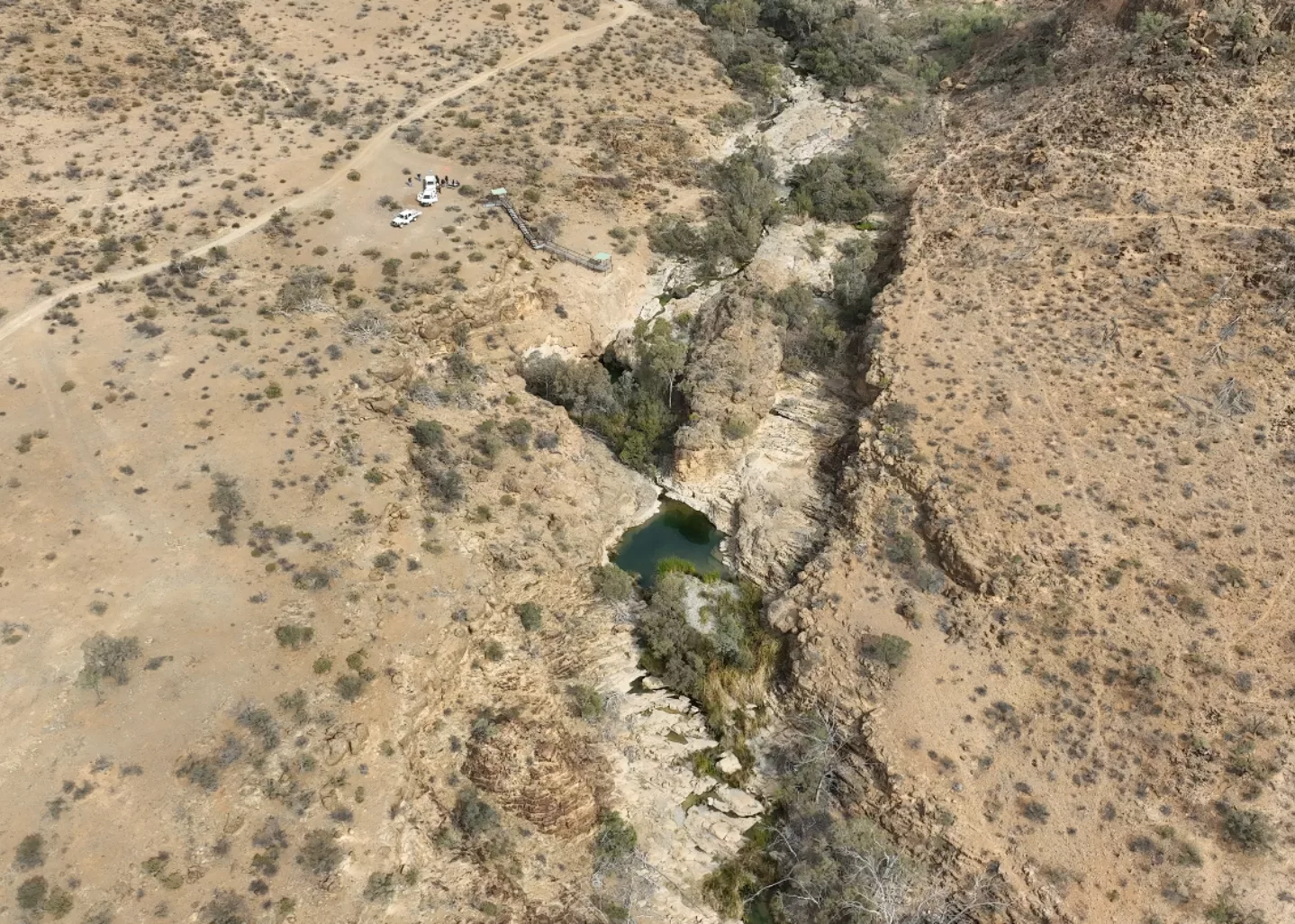
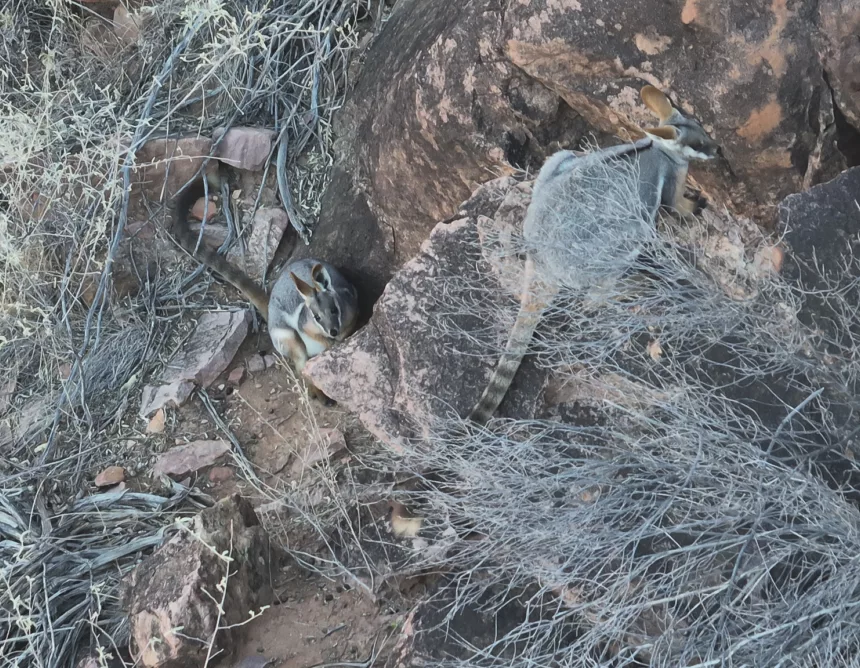
Where previously they had to hike to certain places in the IPA, whether that's up to rocky outcrops to check Andu (yellow-footed rock-wallaby) traps, or down to check on waterholes, with the use of the drone, the rangers can now fly anywhere. They also identified that it will be helpful for feral animal control, and monitoring their revegetation project using the mapping feature.
"Once you spot [feral animal] tracks you can fly the drone up and try to spot them."
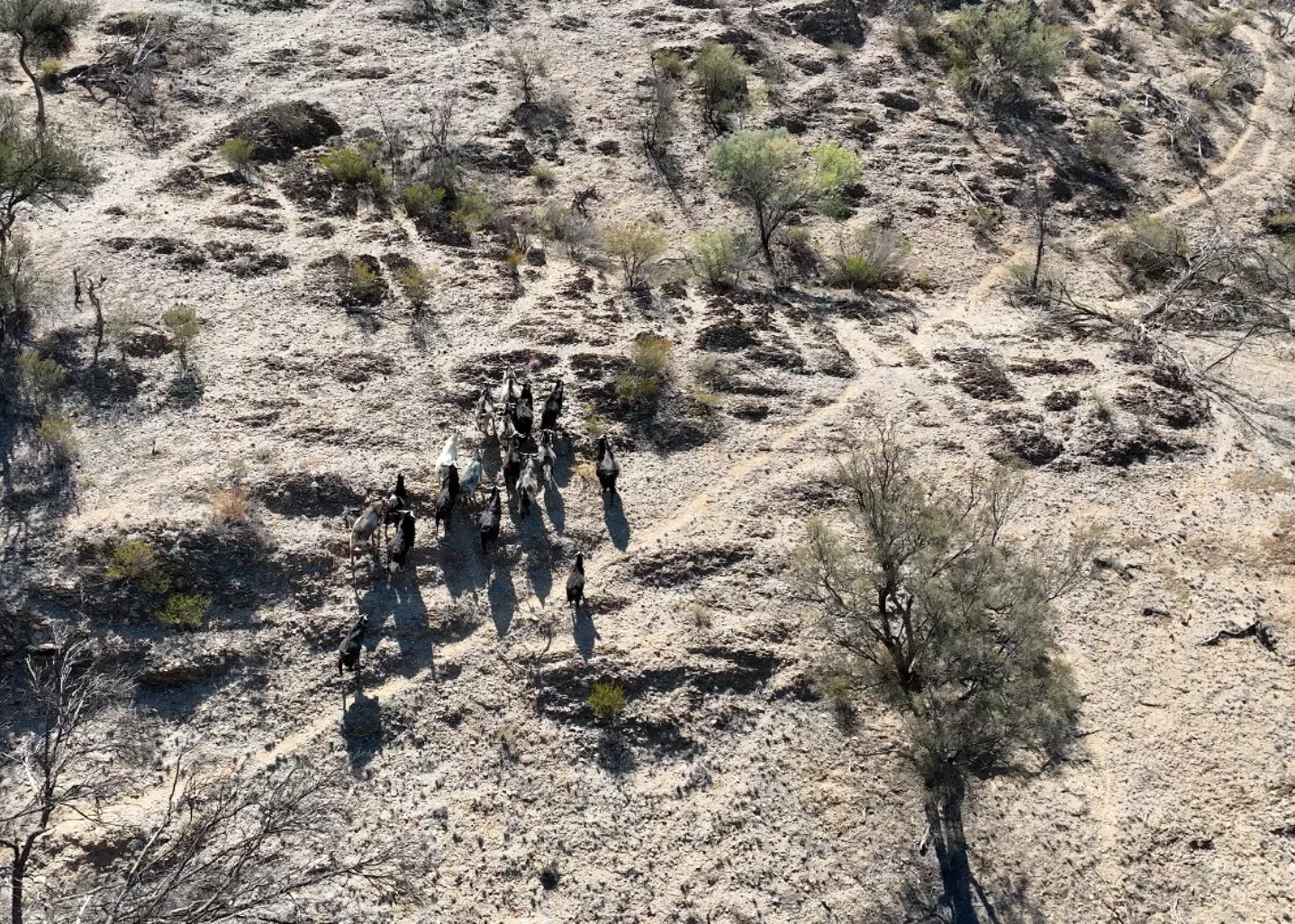 Nantawarrina Rangers
"Very useful ... checking traps, checking on reveg and springs, and hard to get to places. Yeah it'll be very useful."
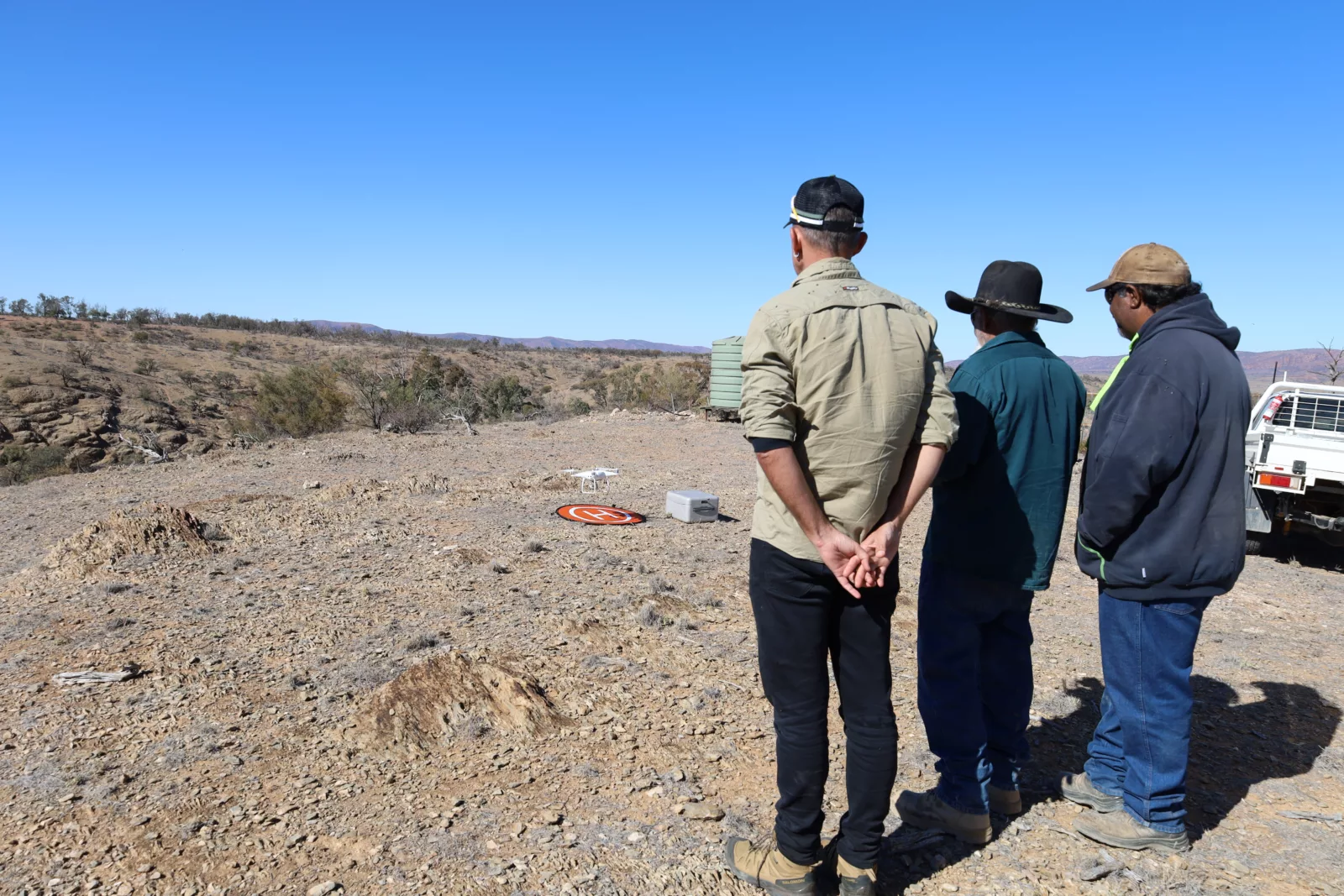
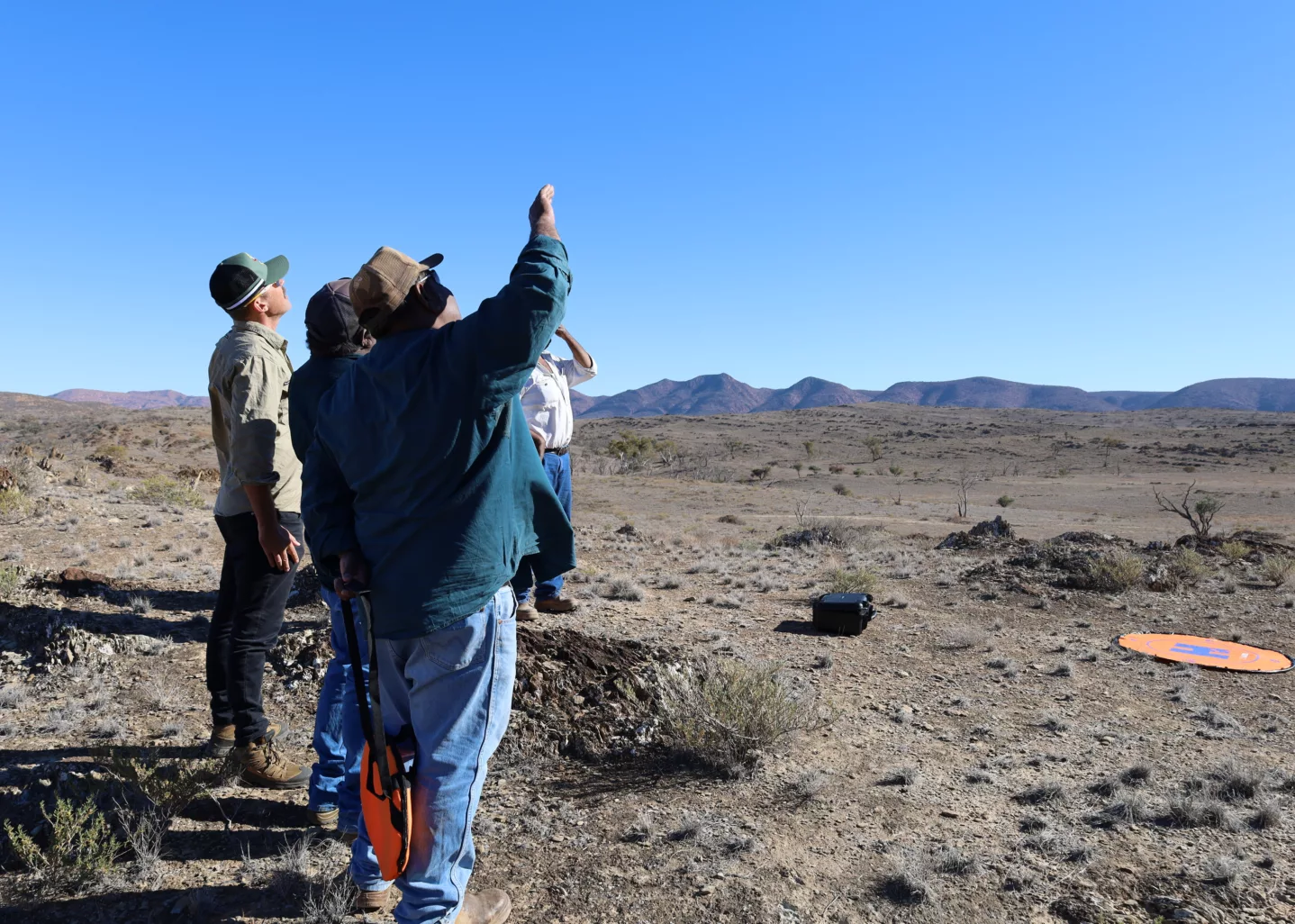
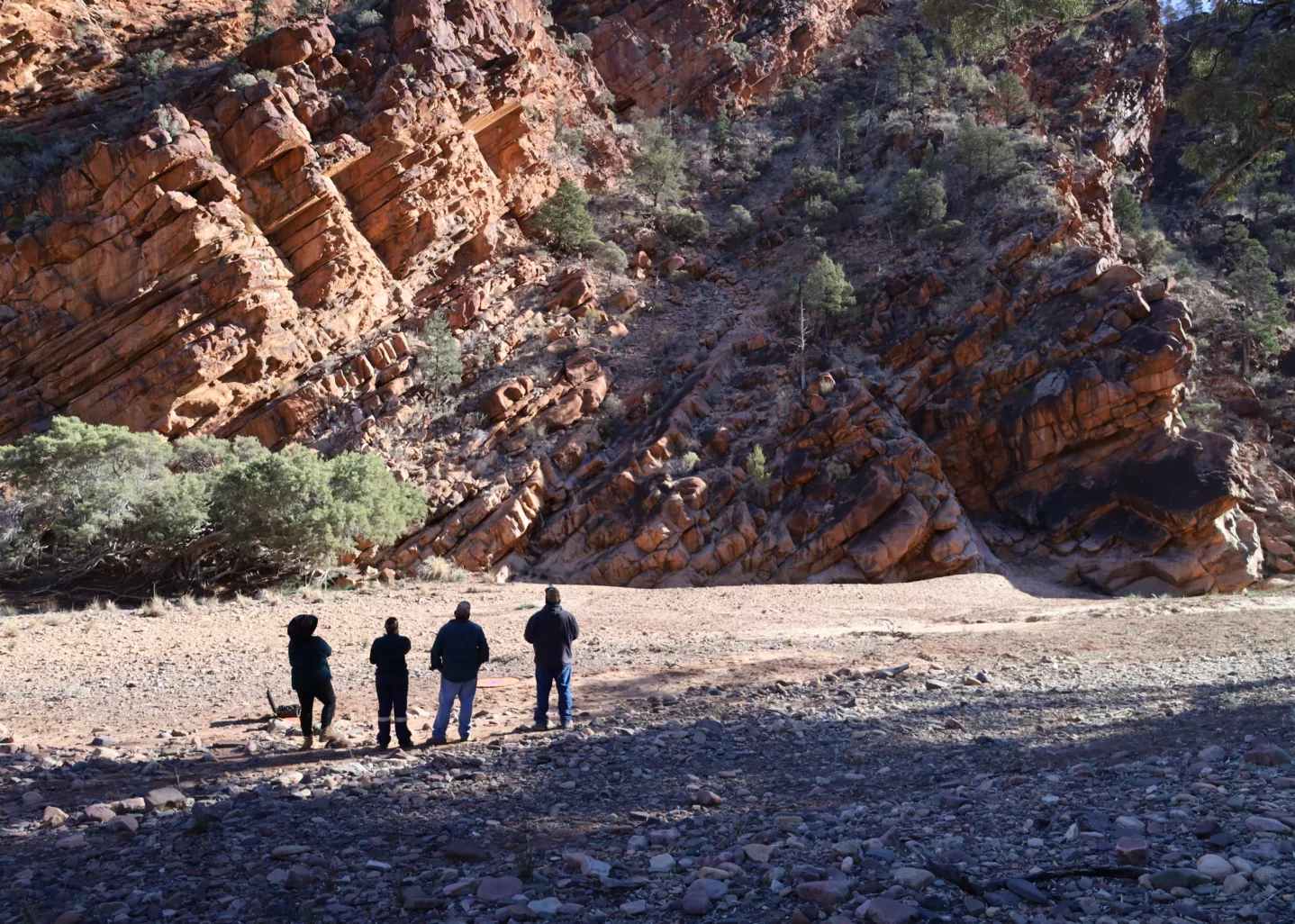
It's not just accessibility and mapping that drones can help with, the good quality photos and videos they take make them a great tool for showing country to Elders, or other members of the community who aren't able to get out on country anymore.
"It's good to keep for yourself and the community. Something to keep for the future and to show people what it looked like back then."
Throughout the training week, the rangers mapped Nipapanha community and Moro Gorge, checked on some springs, and got some great shots of Andu up in the cliffs – all in between dodging wedge-tailed eagles chasing the drone!
"Flying them was alright ... it takes good photos."
 Nantawarrina Rangers
 Nantawarrina Rangers
"It was good, I loved it."

In 1998, the Nipapanha (formerly known as Nepabunna) Community created Australia’s first Indigenous Protected Area on the old pastoral station of Nantawarrina. The property was then degraded through over-grazing and successive droughts. After taking over management and using traditional knowledge, Nipapanha Community implemented a ranger program to restore the land and biodiversity to good health. Nipapanha is proud of the progress they have made to this goal.
Website Read
Story
Read
Story
 Read
Story
Read
Story
 Read
Story
Read
Story
 Read
Story
Read
Story
 Read
Story
Read
Story
 Read
Story
Read
Story
 Read
Story
Read
Story
 Read
Story
Read
Story
 Read
Story
Read
Story
 Read
Story
Read
Story
 Read
Story
Read
Story
 Read
Story
Read
Story
 Read
Story
Read
Story
 Read
Story
Read
Story
 Read
Story
Read
Story
 Read
Story
Read
Story
 Read
Story
Read
Story
 Read
Story
Read
Story
 Read
Story
Read
Story
 Read
Story
Read
Story

Warning: Aboriginal and/or Torres Strait Islander peoples should be aware that this website may contain images, voices and names of people who have passed away which may cause sadness or distress.