Working together to look after Malleefowl
4 minute read

Registrations for the 2026 IDA Conference are now open.
4 minute read

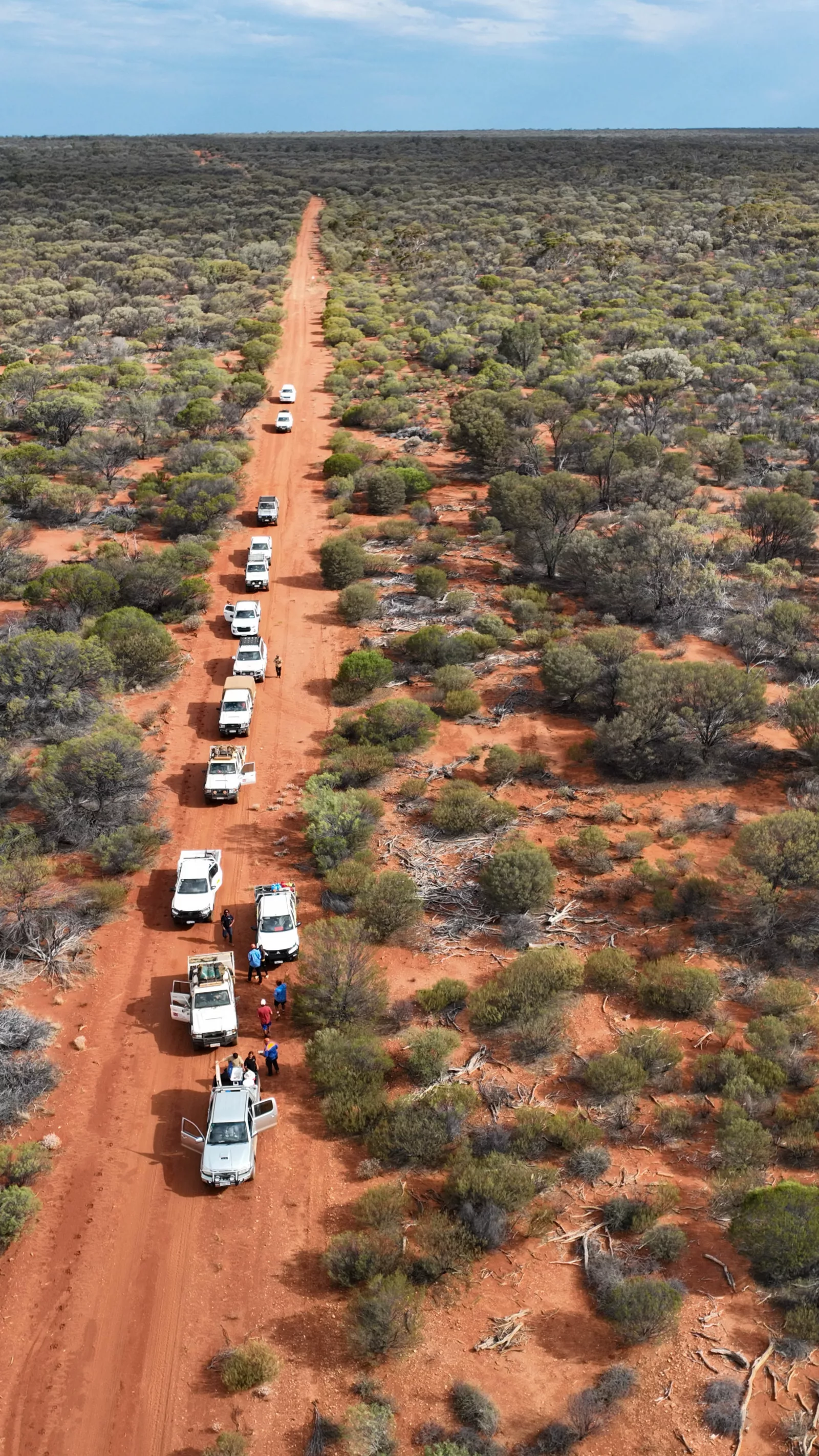
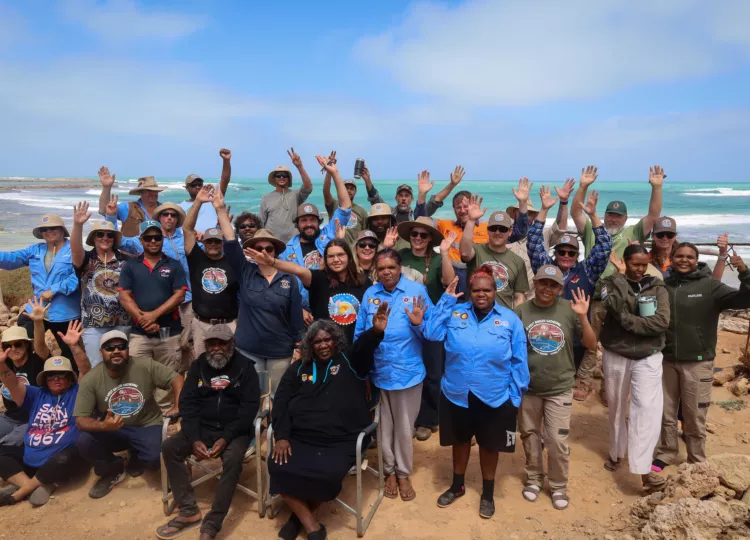
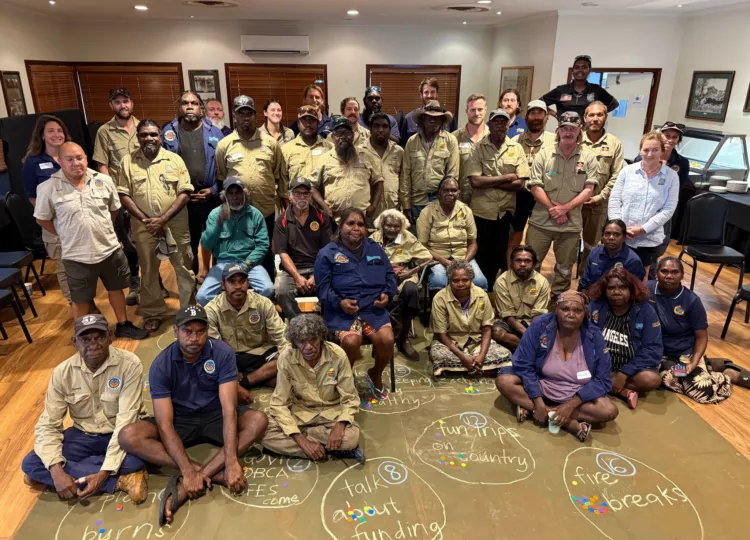
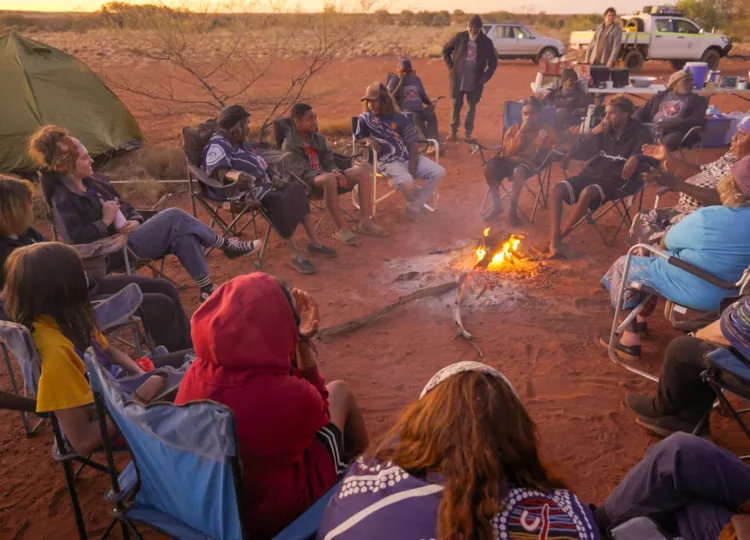
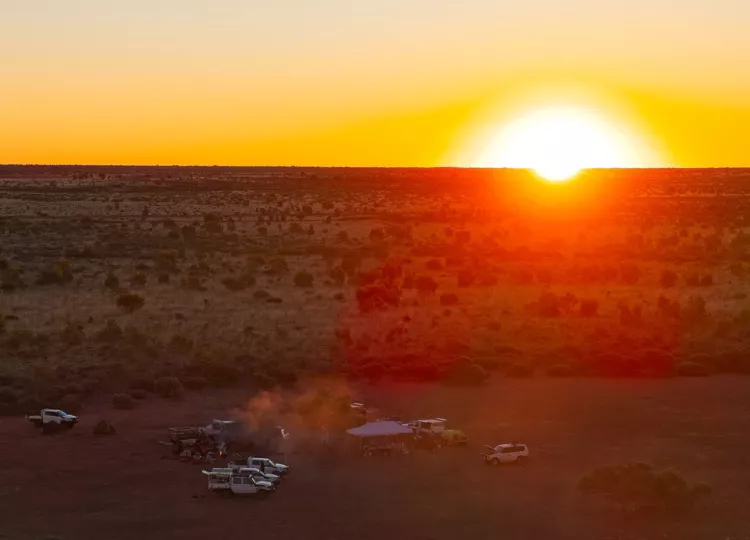
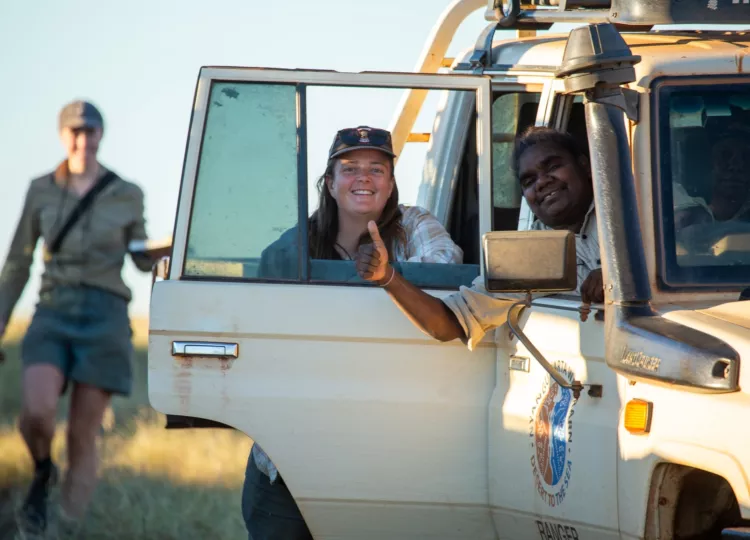
In October, Traditional Owners, Indigenous rangers and conservation groups from the desert met over three days at Morapoi Station for the 2023 Malleefowl Workshop. The workshop enabled southern desert ranger teams to connect up, share local and cultural knowledge and work together on protecting Malleefowl.
It was hosted by Goldfields Aboriginal Community Services (GACS) with support from the IDA. It brought together over 60 attendees representing different ranger groups across WA and SA, including:
Malleefowl, also known as Ngaṉamara or Gnow, are a culturally significant and threatened species that live on mallee and mulga country in Southern Deserts. Malleefowl populations have decreased significantly since colonisation due to land clearing and continue to be threatened by inappropriate fire regimes and feral predators like foxes and cats.
“I’d love to see more Ngaṉamara around, and I’d love to see them being much more protected and not just protected, but plentiful so that our children and grandchildren can also understand and admire them."
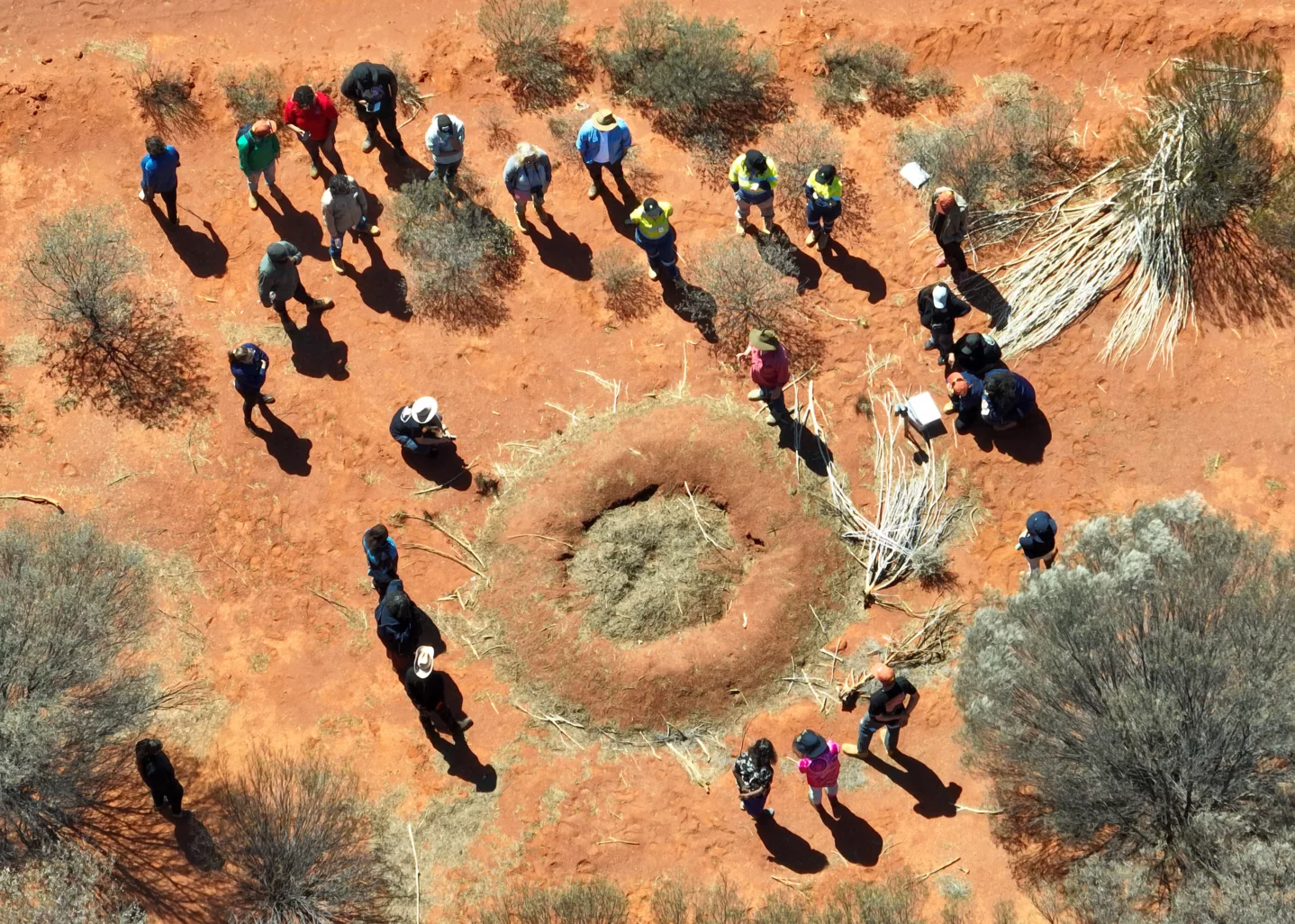
Their mounds can be large, reaching over a metre in height and four metres wide. Unlike most other birds who incubate their eggs by sitting on them, Malleefowl use their mounds. The male buries wet leaf litter in the mound, which heats up as it rots and creates a natural incubator.
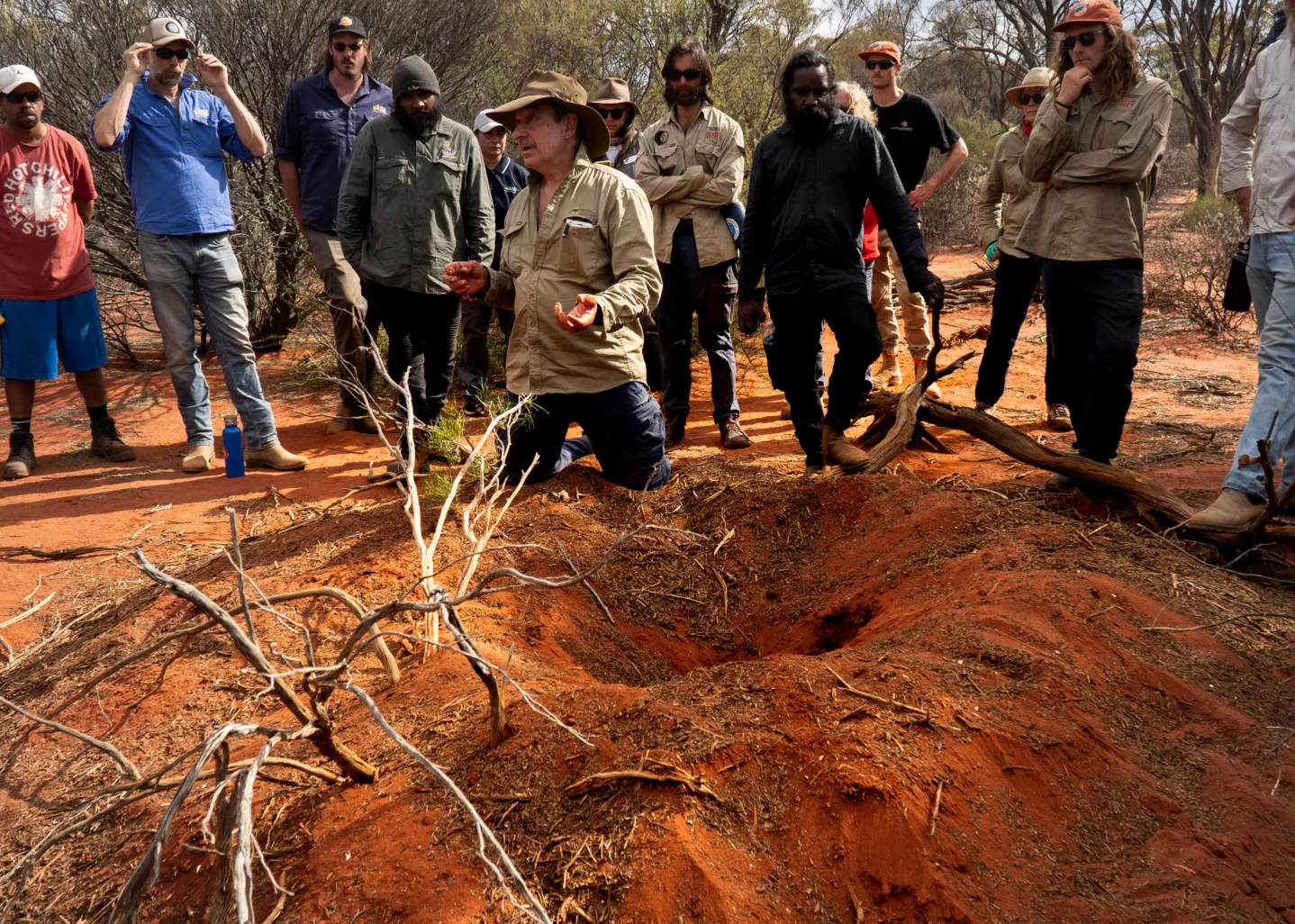
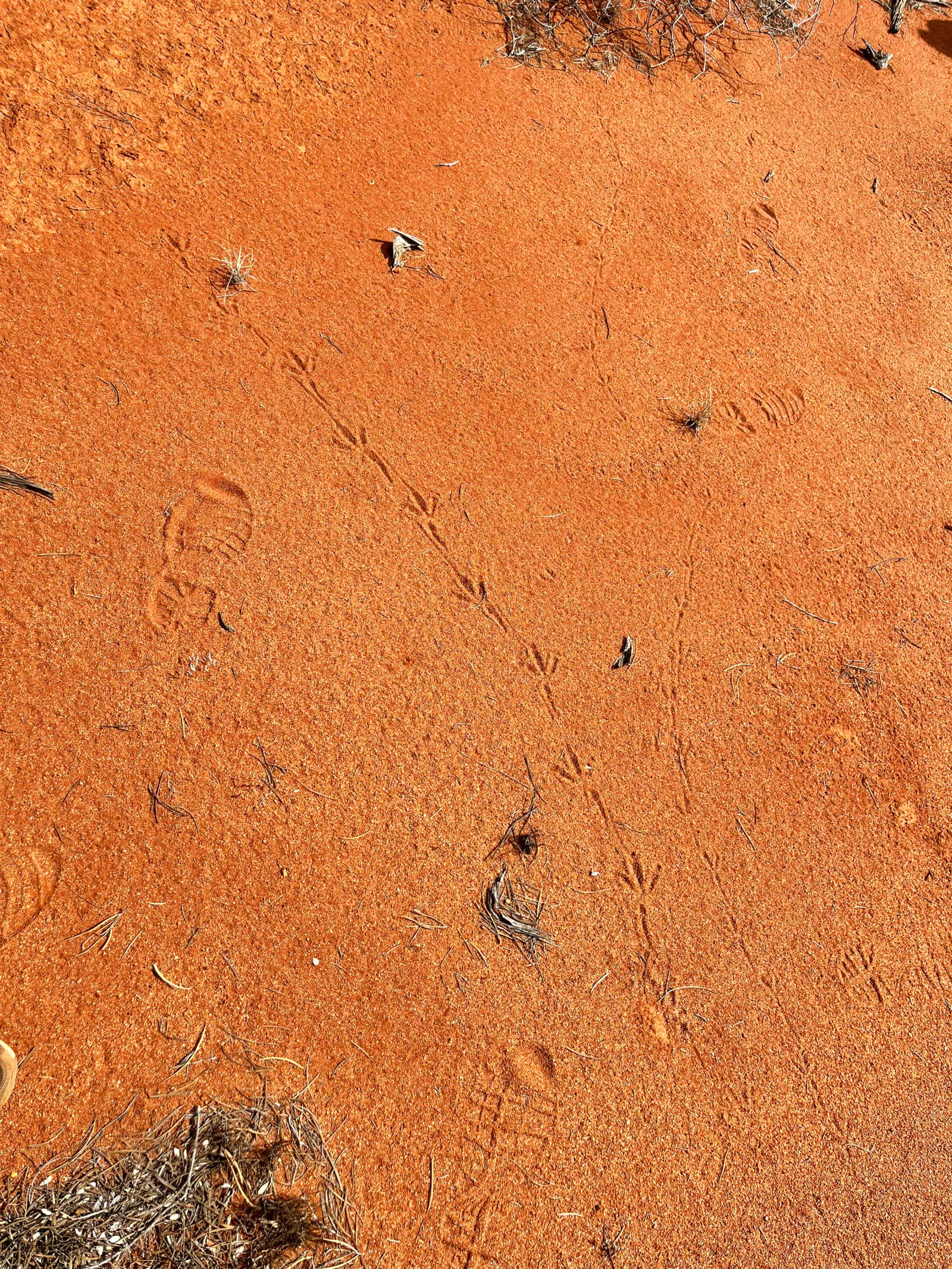
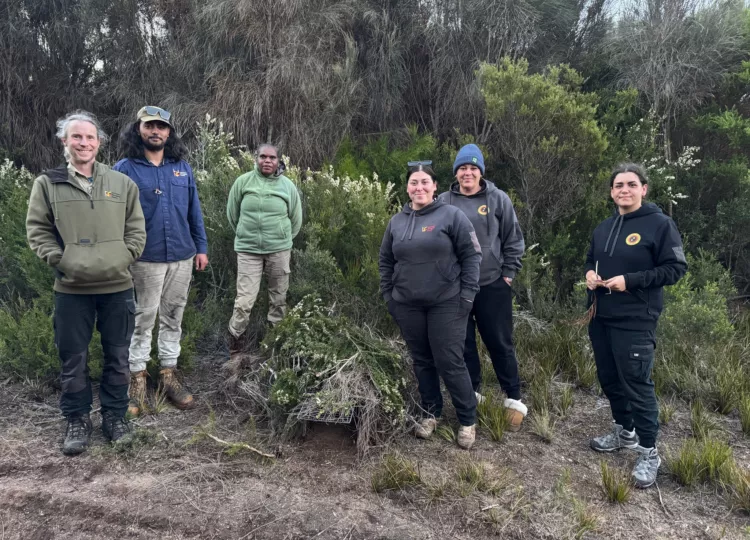
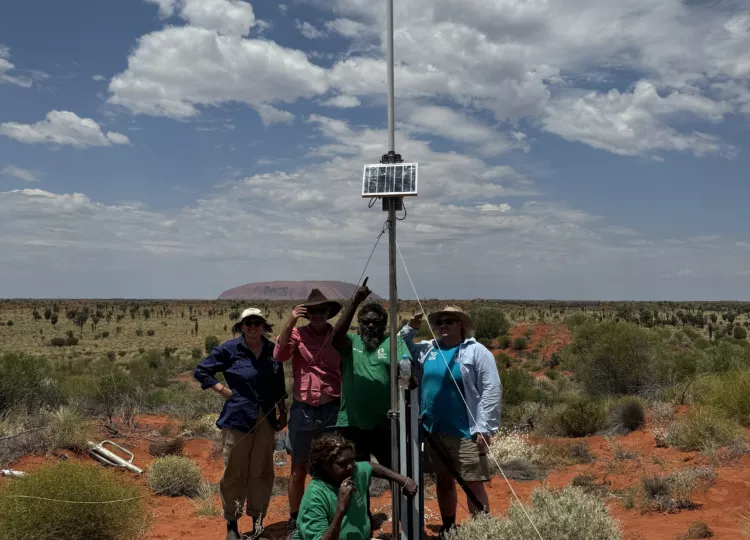
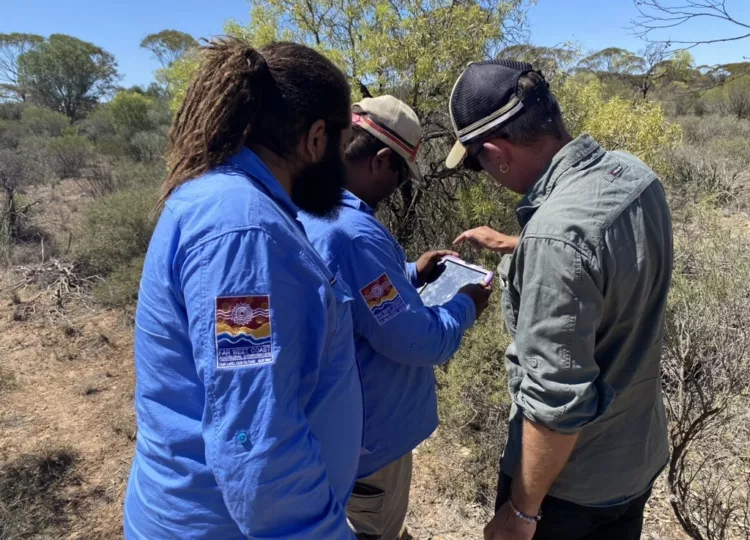
Although Malleefowl are well camouflaged, shy and rarely heard, their distinctive tracks and large nests create good opportunities for rangers and scientists to track and monitor them: an essential part of conservation planning. At the workshop, rangers talked about the ways they were tracking and looking after Malleefowl on their country, and what further work they want to start doing. Joe Benshemesh from the National Malleefowl Recovery Group also talked about different ways of monitoring Malleefowl using a specially designed Cybertracker app. Rangers then went out in the field to try it out!
“I’ve enjoyed it. It’s, it’s pretty awesome, you know, meeting everyone, connecting with everyone, all the different ranger groups. Learning from other people… I’ve got my mother who knows about all of this, you know, but working two ways, you know, scientists and Aboriginal people working together. Get everything in motion and don’t stand back and wait… We’re going to get people coming out or helping us to go, okay, this is what we need to do, you know, and this is how we can work together.”
A key message from rangers is that Malleefowl are important to them and to Traditional Owners, and that they have a strong desire to look after Malleefowl on their country. To do this, rangers said they need practical support for monitoring and tracking, opportunities to share knowledge with each other and work together, to work to keep culture strong, to help people become more educated, and to have a voice.
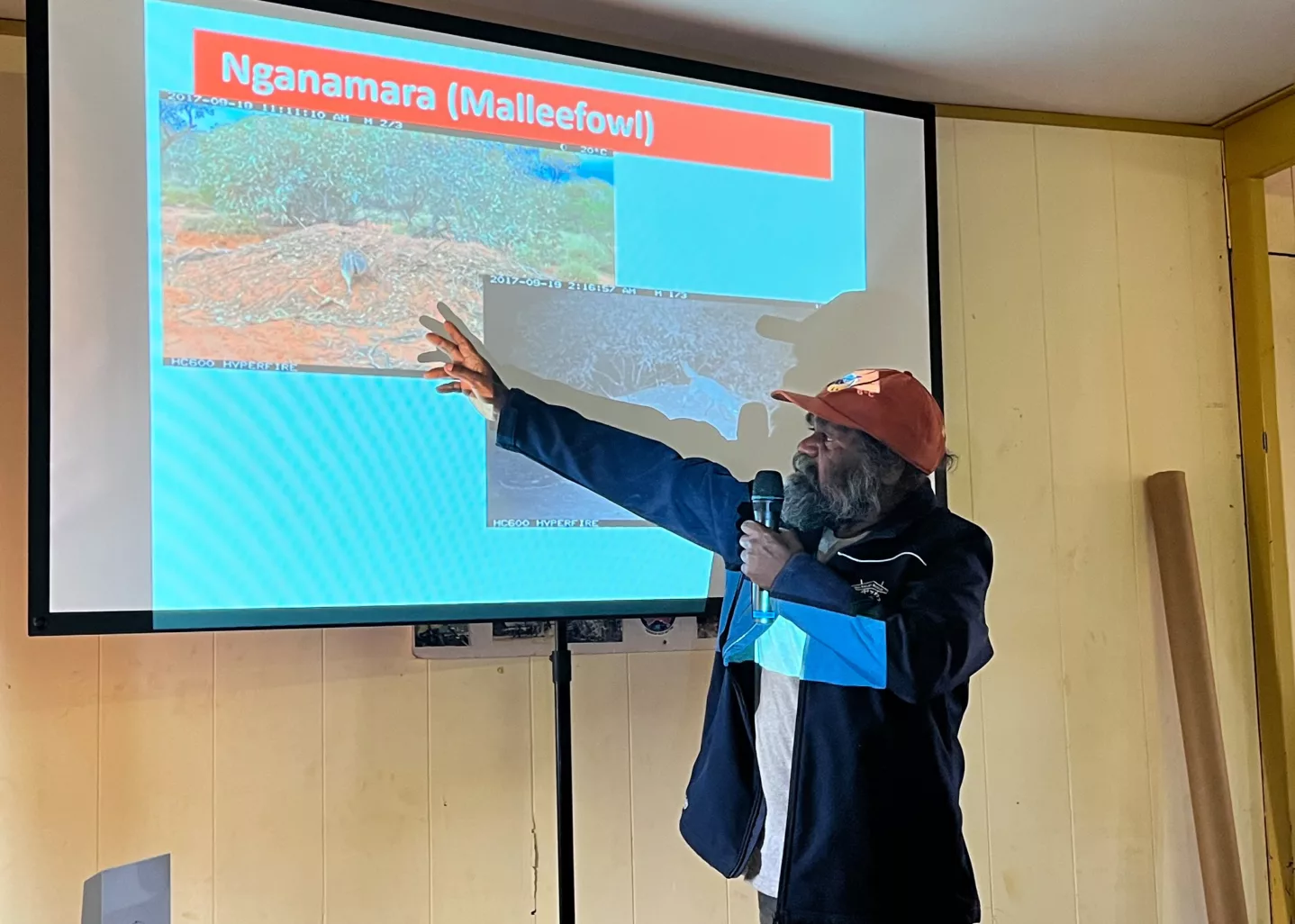
“I think education is really important, so we can get the Malleefowl numbers back up again. Yeah. I don’t think there’s enough public awareness on Malleefowls and what they are and how important they are to, you know, Indigenous people, to the ecosystem as well.”
With strong Indigenous led conservation of Malleefowl and good rainfall to help food sources grow, experts are hopeful that Malleefowl populations across the southern desert region will grow in the coming years.
 Read
Story
Read
Story
 Read
Story
Read
Story
 Read
Story
Read
Story
 Read
Story
Read
Story
 Read
Story
Read
Story
 Read
Story
Read
Story
 Read
Story
Read
Story
 Read
Story
Read
Story
 Read
Story
Read
Story
 Read
Story
Read
Story
 Read
Story
Read
Story
 Read
Story
Read
Story
 Read
Story
Read
Story
 Read
Story
Read
Story
 Read
Story
Read
Story
 Read
Story
Read
Story
 Read
Story
Read
Story
 Read
Story
Read
Story
 Read
Story
Read
Story
 Read
Story
Read
Story

Warning: Aboriginal and/or Torres Strait Islander peoples should be aware that this website may contain images, voices and names of people who have passed away which may cause sadness or distress.